
Tatra Mountains: high range of the Carpathians between Slovakia and Poland
The Tatra Mountains form a compact alpine range on the Slovakia–Poland border. Known for sharp peaks, glacial valleys, endemic wildlife and national parks, they are the highest part of the Carpathians.
Overview
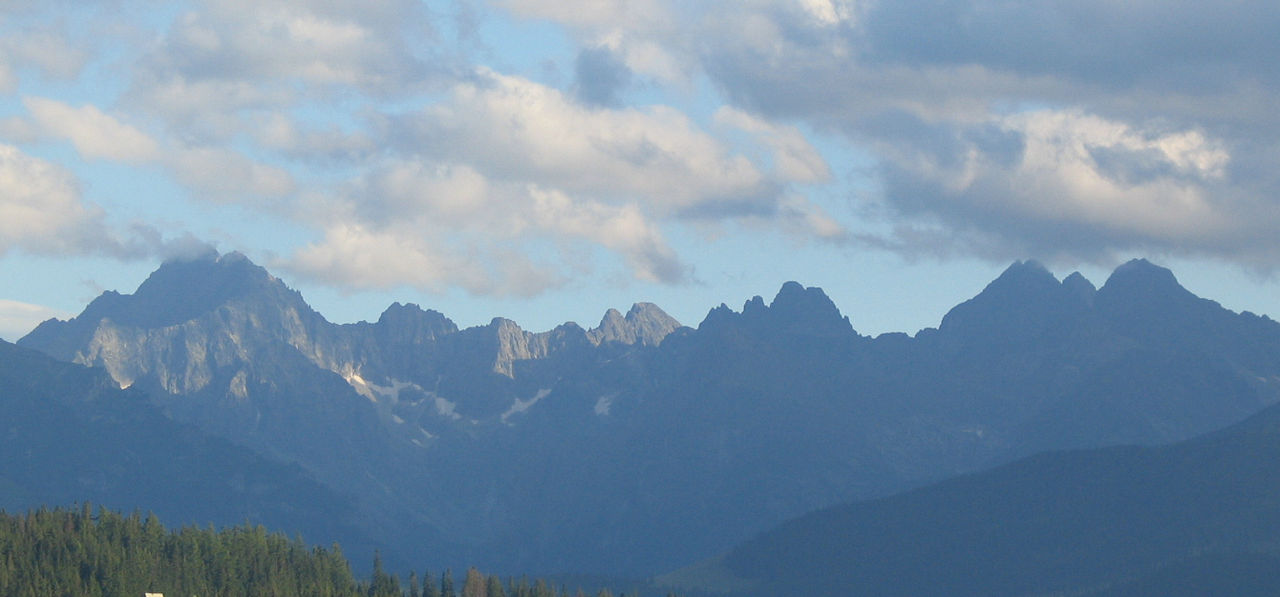
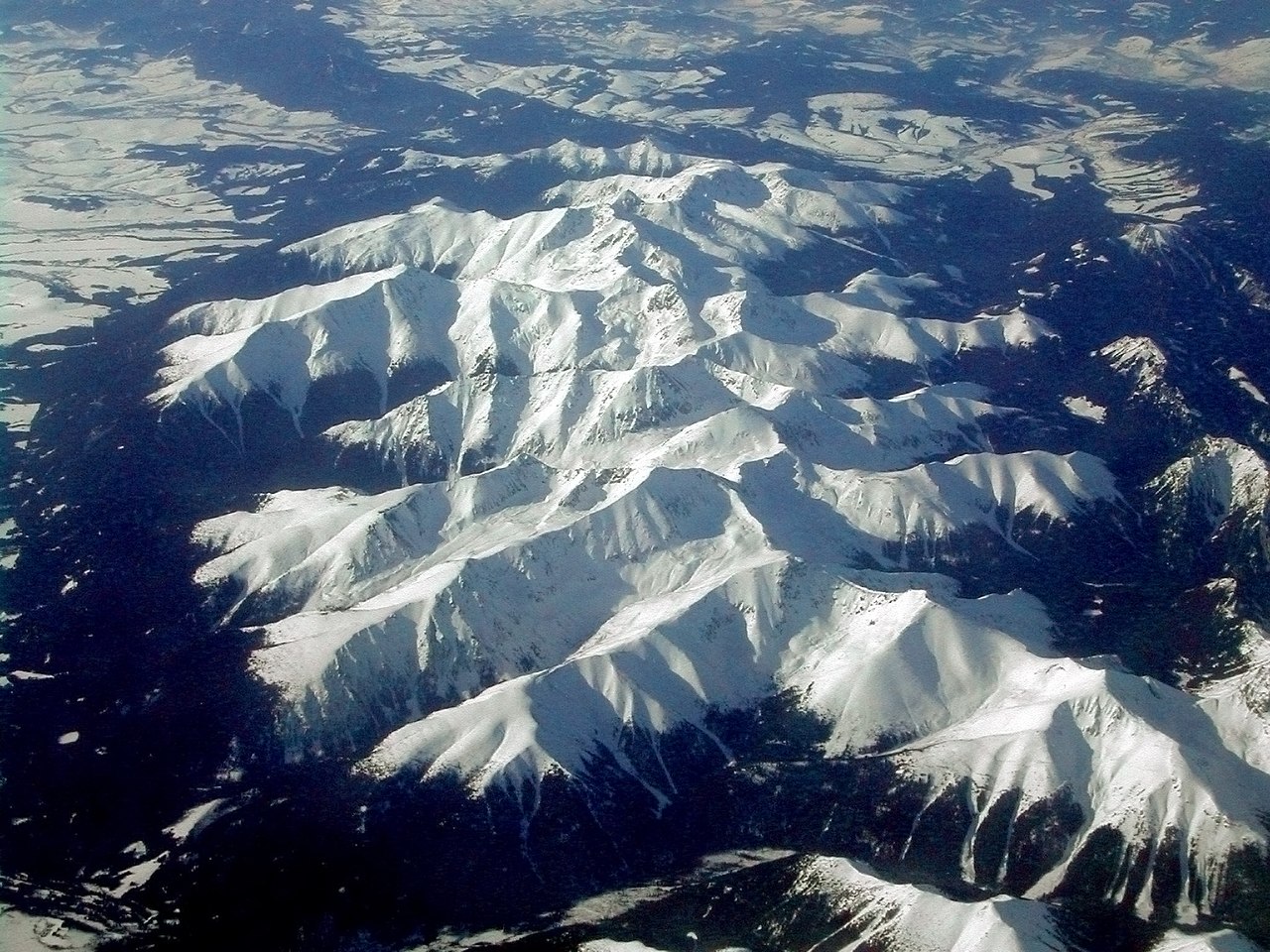
The Tatra Mountains, commonly called the Tatras, are a compact mountain range forming a natural frontier between Slovakia and Poland. They cover roughly 750 km², most of it on the Slovak side, and are the highest portion of the Carpathian Mountains. Despite their relatively small area compared with major European ranges, the Tatras display a pronounced alpine character with steep peaks, cirques and high mountain lakes.
Image gallery
10 Images




Geography and principal summits
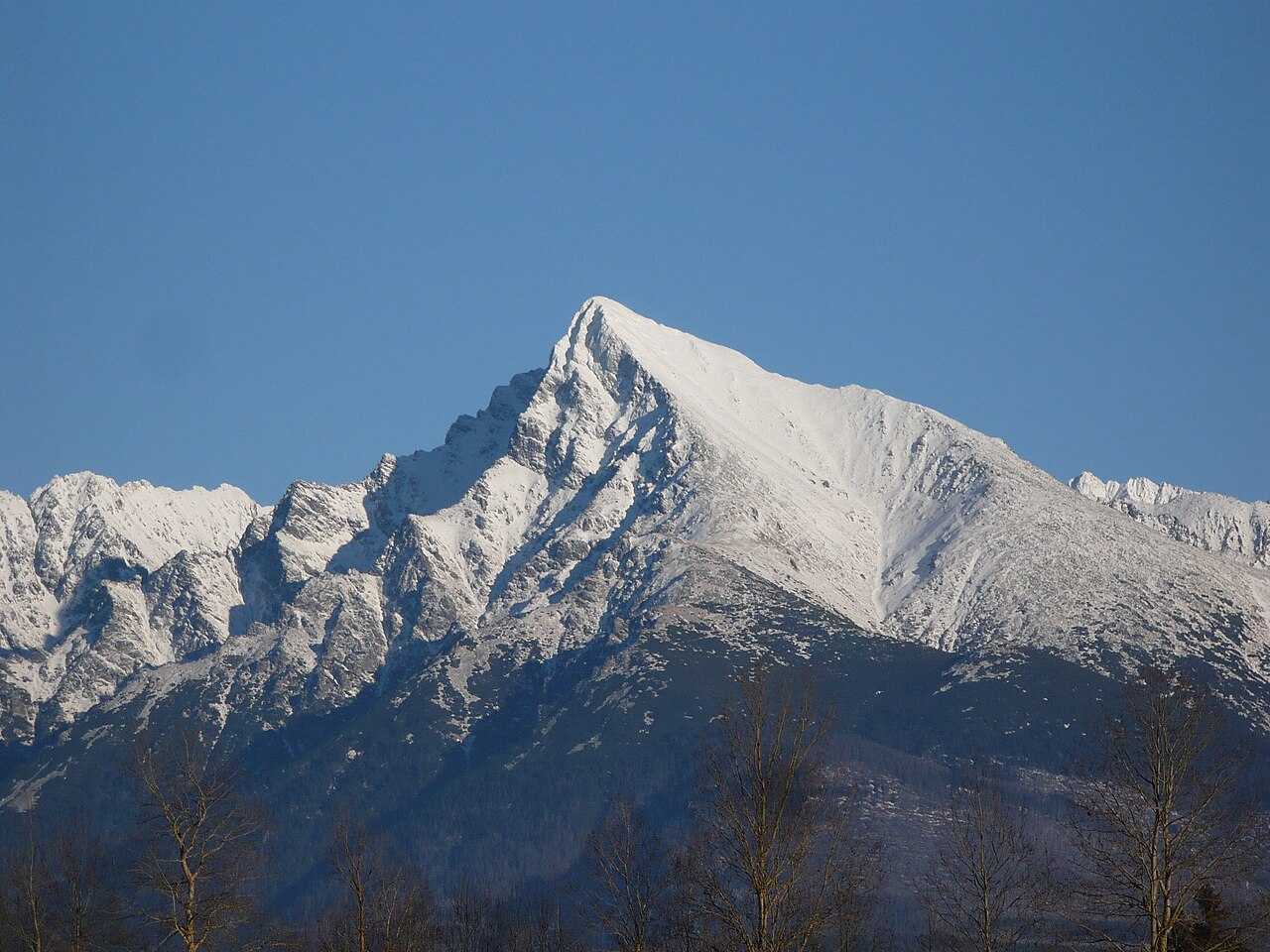
The Tatras form a distinct mountain range with a clear ridge line and many subsidiary ridges and valleys. The tallest summit is Gerlachovský štít (Gerlach), located in Slovakia, which reaches 2,655 m above sea level and is the range's highest point. On the Polish side, Rysy attains the highest altitude available to Poland at 2,499 m. The compact layout concentrates sharp relief, so long vertical faces, narrow passes and a high density of lakes and tarns occur within a short distance.
Geology and landscape
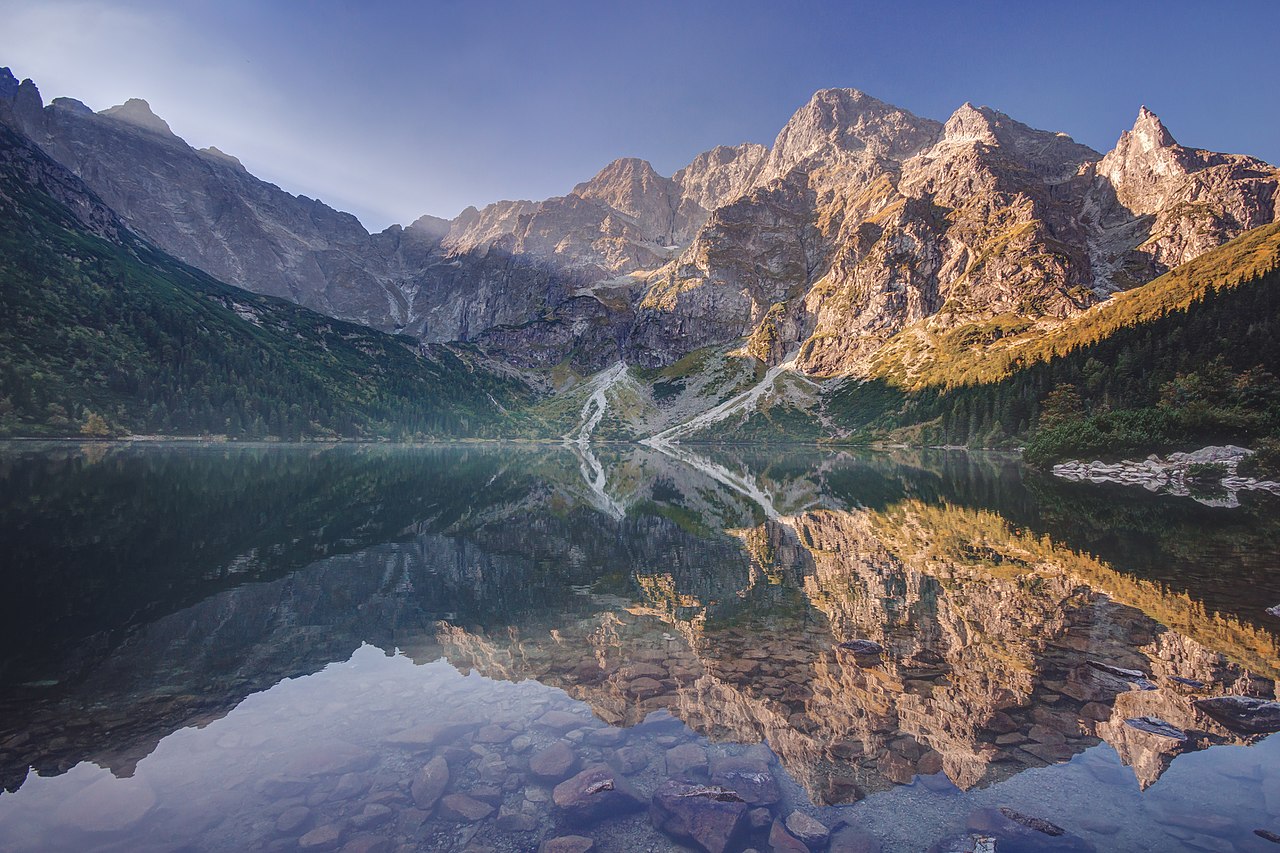
Geologically the Tatras are the most elevated and rugged part of the Carpathians. Rocks include crystalline cores of granite and metamorphic formations that have been sculpted by Pleistocene glaciation. Classic glacial landforms — cirques, moraines, U-shaped valleys and numerous mountain lakes — define much of the scenery. The combination of high cliffs, rock towers and snowfields produces landscapes often compared, in miniature, to the alpine zones of the Alps.
Flora, fauna and protection
The Tatras host diverse habitats from montane forests to alpine meadows and scree slopes. They are notable for several endemic or near-endemic species adapted to high-elevation life, such as the Tatra chamois, a mountain goat-antelope distinctive to the range, and populations of highland marmots and specialized plants. Large parts of the range are protected: on the Slovak side by Tatranský národný park and on the Polish side by Tatrzański Park Narodowy. These parks coordinate conservation, research and visitor management to preserve fragile ecosystems.
Human use, recreation and culture
Because of its alpine character combined with good access, the Tatras have been a center for mountain recreation for well over a century. The region supports hiking, mountaineering, rock climbing, winter sports and nature tourism. Mountain huts, marked trails and a network of cable cars and chairlifts on accessible slopes make many summits and valleys reachable to non-technical visitors, while long ridges and steep faces offer classic alpine challenges for experienced climbers. Local highland culture, traditional architecture and folklore remain visible in towns and villages around the range.
Scientific and conservation importance
Scientists study the Tatras for insights into alpine ecology, glacial geomorphology and climate change impacts at high elevations. The compactness of the range makes it a useful natural laboratory: changes in snow cover, vegetation belts and wildlife populations can be monitored across short geographical distances. Cross-border conservation cooperation between Slovak and Polish authorities has been an important feature of managing the area.
Distinctive facts and considerations for visitors
- The Tatras are the highest mountains of the entire Carpathian chain, yet they occupy a comparatively small area, creating highly concentrated alpine terrain.
- Weather can change rapidly and some routes require alpine experience; mountain rescue services operate on both sides of the border.
- The range attracts nature tourism, but visitors are asked to follow protected-area rules to safeguard wildlife and fragile plant communities.
Together, the Tatras combine striking mountain scenery, important biodiversity and a long tradition of outdoor recreation. Their compactness and accessibility make them a prominent natural and cultural landmark on the border between two Central European countries.
Related articles
Author
AlegsaOnline.com Tatra Mountains: high range of the Carpathians between Slovakia and Poland Leandro Alegsa
URL: https://en.alegsaonline.com/art/96507