
Tartus
Tartus is a Syrian Mediterranean port city noted for its historic Crusader fortress, coastal economy and seaport activity, and for hosting a foreign naval logistics facility.
Overview
Tartus (Arabic: طرطوس) is a city on Syria's western coast, situated on the eastern shore of the Mediterranean Sea. It serves as one of the country's principal ports and is generally cited as the second‑largest Syrian port after Latakia. Census figures reported in 2004 recorded roughly 115,000 inhabitants in the urban area, though more recent estimates vary.
Image gallery
10 Images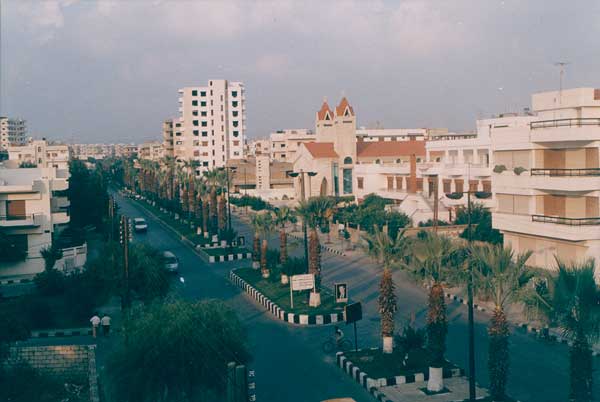



Characteristics and economy
The city functions as a regional hub for maritime trade, fishing and light industry. Its port handles commercial cargo and local fishing boats, and the surrounding plain supports agriculture — notably olives, citrus and vegetables — that supply local markets. The coastal climate is typically Mediterranean, with mild, wet winters and warm, dry summers, making the area suited to both agriculture and seasonal recreation.
History and development
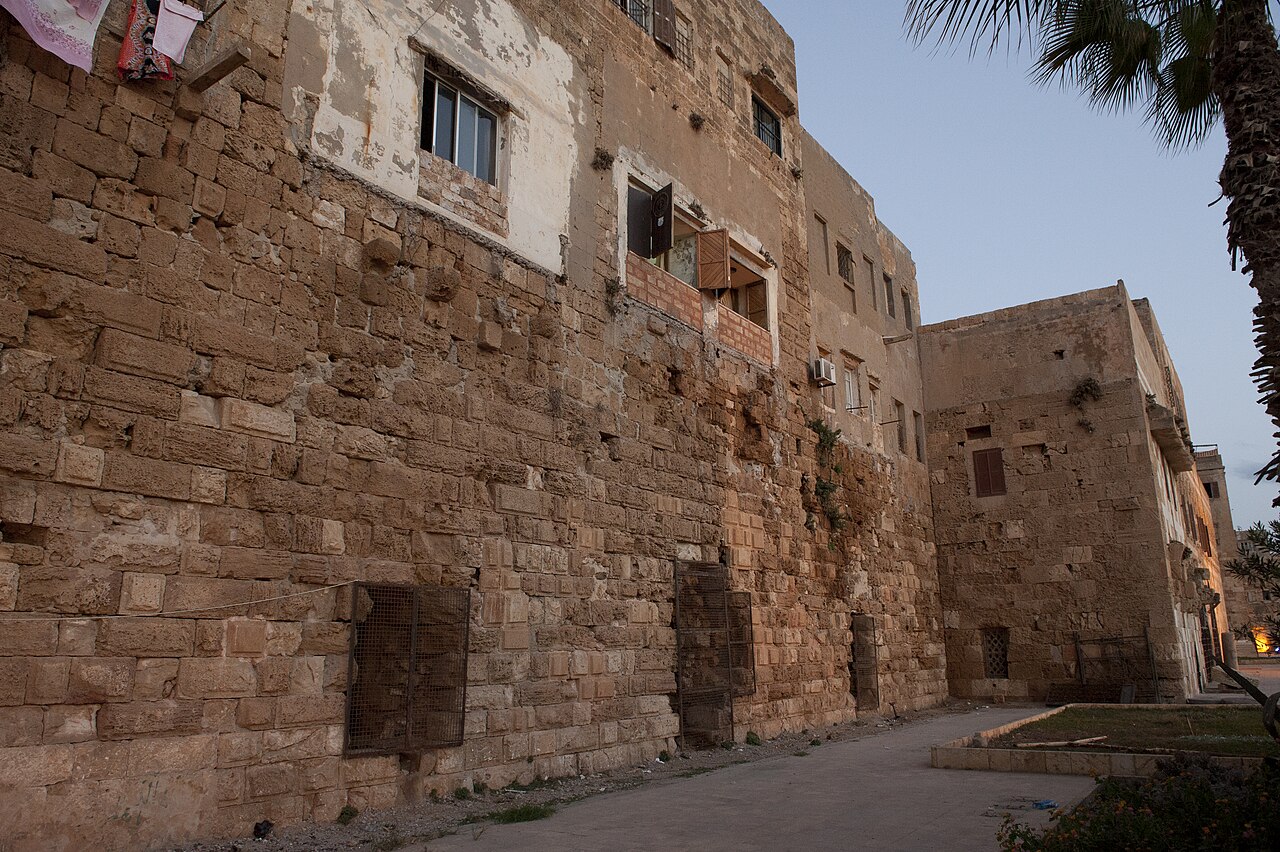
Tartus has a long recorded history that includes periods under classical, Byzantine and Islamic rule. During the Crusader era it was known by its Latin name Tortosa and became a fortified coastal stronghold; remnants of medieval fortifications survive in the modern cityscape. Ottoman administration shaped the city's later urban fabric, and in the 20th century Tartus developed as a commercial and naval port under the modern Syrian state.
Sites and notable features
Visible historical remains include a medieval citadel and related fortifications that testify to Tartus's maritime importance in the Middle Ages. Nearby island towns and coastal ruins add archaeological interest, and the city contains markets, promenades and civic buildings reflecting Ottoman and more recent twentieth‑century architecture. The area is also known for its beach zones and local seafood cuisine.
Strategic importance
Beyond its civilian economic role, Tartus has strategic significance because of a long‑standing foreign naval logistics presence that provides maintenance and resupply services to visiting warships. This function has reinforced the port's role in regional maritime activity and given the city an international dimension beyond local commerce.
Practical information and distinctions
- Location: western Syria on the Mediterranean coast, regional port and administrative center.
- Transport: seaport facilities, regional roads to inland towns and agricultural areas.
- Cultural note: contains medieval fortifications from the Crusader period and a mix of Ottoman and modern buildings.
- Comparative role: often described as Syria's second major port after Latakia, contributing to coastal trade and fisheries.
For further context on the city’s language and administrative placement, see the Arabic form طرطوس and broader resources on Syria and the Mediterranean Sea. Additional local and historical information can be found through dedicated regional studies and archaeological reports.
Related articles
Author
AlegsaOnline.com Tartus Leandro Alegsa
URL: https://en.alegsaonline.com/art/96445
Sources
- cbssyr.org : Tartus city population