
Biblical canon: formation, varieties, and significance
What a biblical canon is, how communities decided which books count as Scripture, major canonical traditions, criteria for inclusion, and the role of apocrypha and modern scholarship.
Overview
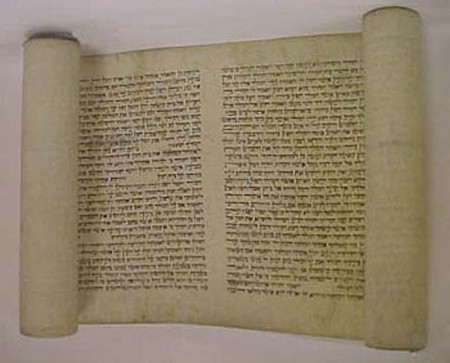
A biblical canon is the set of writings a particular religious community accepts as authoritative Scripture. The word "canon" originally referred to a measuring rod or rule and came to mean the list of books regarded as normative. Collections of biblical books form the basis of religious teaching, liturgy, and doctrine across Judaism and the various Christian traditions. For a general introduction to the wider collection often called the Bible, see broader resources on that term.
Image gallery
6 Images




How books were selected
Communities did not compile their canons by a single universally binding decision. Rather, selections emerged over time through a combination of factors: communal usage, liturgical reading, the work of teachers and leaders, and debates over authenticity. By the early centuries of the Common Era local churches, rabbis, and councils played increasing roles in recognizing which writings were read as Scripture.
Common criteria
- Apostolicity or prophetic origin: association with an apostle or recognized prophet.
- Antiquity: being old enough to belong to the formative period of the community.
- Orthodoxy: agreement with the community’s core teachings.
- Liturgical use: regular reading in worship and instruction.
- Reception: broad acceptance across regions and generations.
Major canonical traditions
Different religious bodies recognize different canons. Judaism preserves the Hebrew Bible (Tanakh). Protestant, Catholic, and Eastern Orthodox Christians accept overlapping but distinct collections: Protestants adopted the Hebrew list for the Old Testament and a New Testament of 27 books; Catholics include additional books often called deuterocanonical; Orthodox churches retain further texts and may vary by national tradition. Councils such as those at Hippo and Carthage in late antiquity and later declarations like the Council of Trent helped define canons in particular communities.
Apocrypha, pseudepigrapha, and canonical closure
Writings not included in a given canon are often labeled apocryphal, deuterocanonical, or pseudepigraphal depending on context. Some books enjoyed wide circulation without final acceptance; others were attributed to famous figures (pseudepigrapha) and thus judged inauthentic. Over centuries most major communities reached a settled list of books — a process called canonical closure — though debates and variations have continued.
Importance and contemporary issues
Canon lists shape theology, ethics, and religious identity. They influence translation projects, education, and interfaith dialogue. Modern biblical scholarship and textual criticism examine how canons formed and how texts were transmitted, while ecumenical conversations sometimes highlight shared writings as grounds for common understanding. For discussions of the concept of authoritative text as used by religious communities, see materials on Scripture and on the idea of texts being inspired.
Tags
Related articles
Author
AlegsaOnline.com Biblical canon: formation, varieties, and significance Leandro Alegsa
URL: https://en.alegsaonline.com/art/11240