
Tarawih — Night Prayers of Ramadan
Tarawih are special voluntary night prayers performed by many Muslims during Ramadan. Practices and numbers of rak'ahs vary between communities and legal schools, and they are often prayed in congregation.
Overview
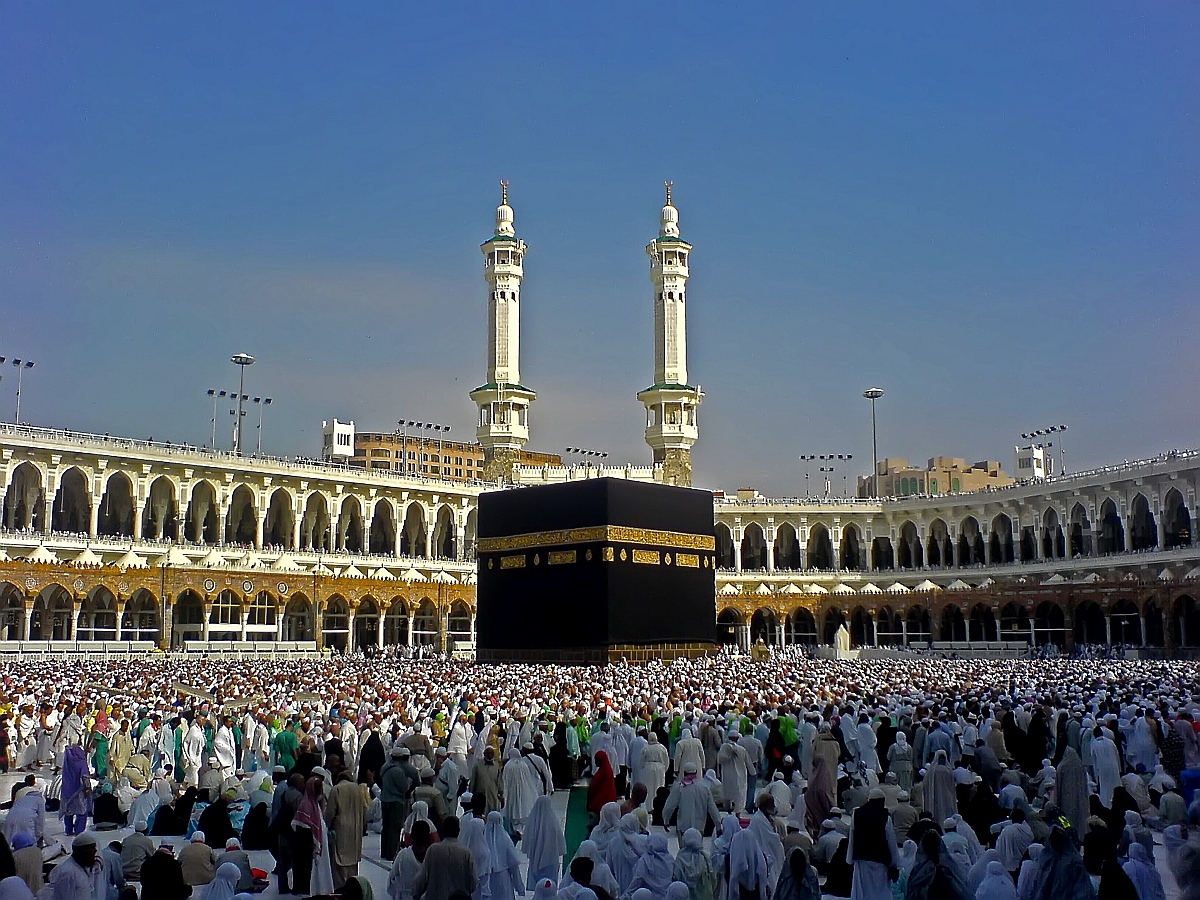
Tarawih (Arabic: تراويح) refers to extra night prayers performed by many Muslims during the month of Ramadan. They are offered after the obligatory Isha prayer and before or combined with the Witr prayer. The prayers consist of repeated units (rakahs) of standing, bowing and prostration while portions of the Qur'an are recited. Tarawih are generally regarded as voluntary (nafl) or emphasized sunnah by most Sunni authorities and are commonly held in congregation in mosques and at home.
Image gallery
5 Images


Ritual practice and characteristics
Tarawih are performed in units of two rakahs, with many communities repeating these pairs throughout the night. Mosques often arrange the recitation so that the entire Qur'an is completed (khatm) over the course of the month, with longer portions read on some nights and shorter portions on others. The tone and style of recitation can range from measured, classical recitation to shorter, more accessible readings depending on local custom and the imam's approach.
Variations among legal schools
- Different Sunni legal schools and regional traditions have long-standing differences about the typical number of rakahs and the form of congregation. See discussions in the scholarly literature on how practice developed.
- Some communities commonly perform a smaller number of rakahs in a brief congregational format, while others maintain longer sessions that reach a full monthly recitation.
- Debates over the preferred format appear in rulings and writings associated with the Hanafi, Shafi'i, Maliki and Hanbali/Ahl al-Hadith traditions, reflecting both textual interpretation and local custom.
History and development
The practice of special night prayers in Ramadan has early roots in the Muslim community. Sources record that the Prophet Muhammad occasionally led nights of prayer, and that later leaders organized more regular communal sessions. Historical accounts attribute the institutionalizing of a regular congregational Tarawih to communal decisions after the Prophet's lifetime, with continuing adjustments in style and length as Muslim communities spread geographically.
Significance and usage
For many worshippers, Tarawih are a key spiritual feature of Ramadan: a time for communal devotion, listening to extended recitation of the Qur'an, and personal reflection. Aside from congregational gatherings in mosques, families may pray Tarawih at home, especially when travel or health makes attendance difficult. Scholars emphasize that Tarawih remain voluntary; their value is in fostering prayerfulness and remembrance rather than serving as an obligatory rite.
Notable distinctions
While Tarawih are widespread among Sunni Muslims, their form and prominence differ by region and by theological outlook. Some groups favor shorter, privately led night prayers; others prioritize a public, mosque-centered recitation. Modern practices continue to blend tradition, local custom and contemporary needs, producing a variety of legitimate expressions of this Ramadan devotion.
For further reading, consult works on Ramadan observances, Islamic worship practices, and comparative fiqh discussions of night prayers.
Related articles
Author
AlegsaOnline.com Tarawih — Night Prayers of Ramadan Leandro Alegsa
URL: https://en.alegsaonline.com/art/96370
Sources
- albalagh.net : "The Tarawih Prayer"
- masud.co.uk : "Rak'ahs of Salaat al-Taraweeh"
- masud.co.uk : "Al-Albani Unveiled - Taraweeh 8 or 20?"