
Tagetes (marigolds): description, species, uses and cultivation
Tagetes, commonly called marigolds, is a genus of about 56 species in the Asteraceae family native to the Americas, valued for ornament, companion planting, cultural ceremonies, and traditional uses.
Overview
Tagetes is a genus of flowering plants widely known as marigolds. Comprising roughly 56 species, these plants belong to the sunflower family, Asteraceae. Most species are native to North America and South America, and have been introduced around the world as garden plants and for other uses.
Image gallery
10 Images


Description and characteristics
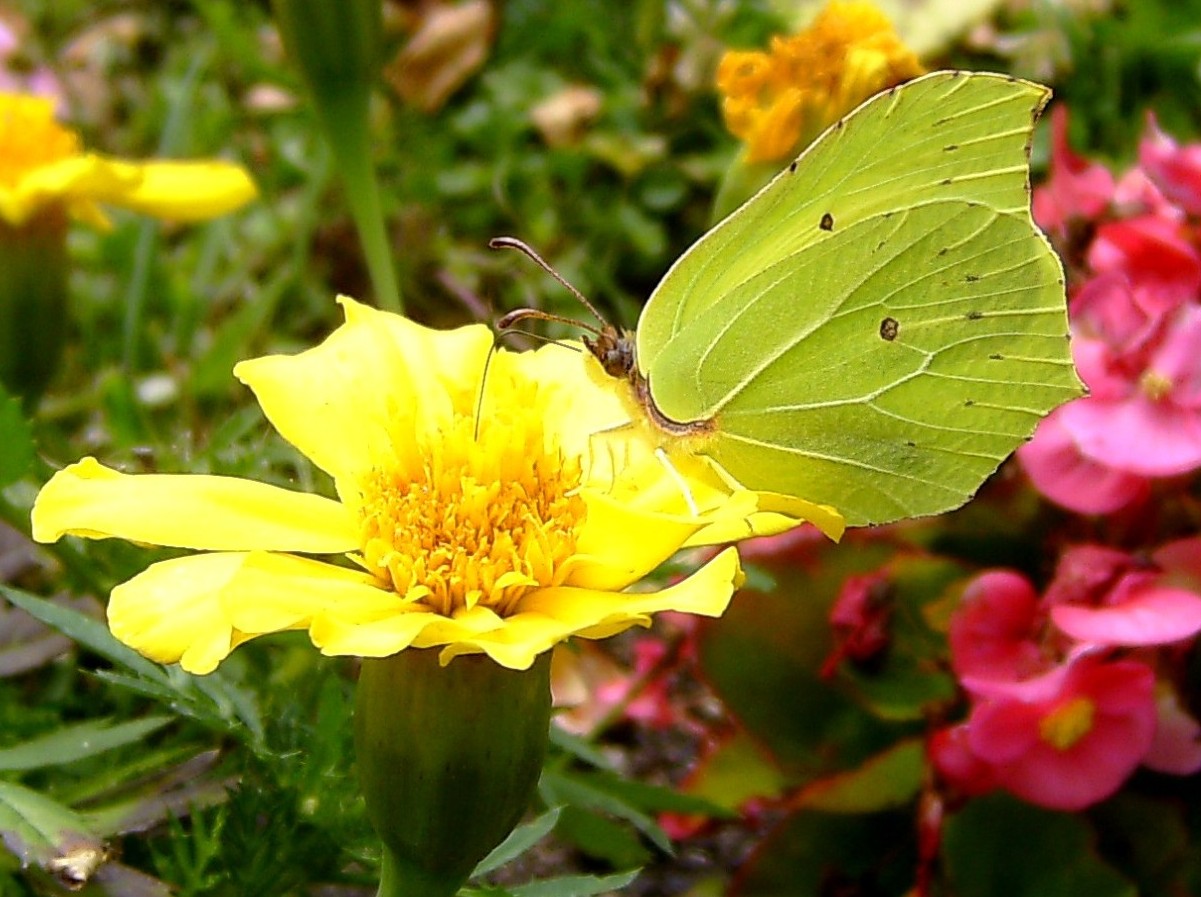
Tagetes species range from low, bushy annuals to taller perennials. Their characteristic flower heads (capitula) combine central disc florets and surrounding ray florets in vibrant shades of yellow, orange, red and cream. Leaves are usually pinnate or pinnately divided and many species emit a distinctive pungent aroma when crushed. Plants vary in height, bloom time and hardiness depending on species and cultivar.
History and cultural significance
Marigolds have long been cultivated in the Americas for ornamental and ritual use. Several species were used by indigenous peoples for decoration, dye and medicinal purposes before European contact. Today marigolds are prominent in festivals such as Mexico’s Day of the Dead and are common in formal and cottage gardens worldwide.
Uses and importance
- Ornamental: valued for long-lasting blooms and bright colors.
- Companion planting: thought to deter some nematodes and pests in vegetable gardens.
- Culinary and herbal: a few species, such as Tagetes lucida, have culinary or aromatic uses; others are used in traditional remedies.
- Commercial: extracts and essential oils from some species are used in perfumery and natural pesticides.
Cultivation and distinctions
Marigolds are generally easy to grow from seed in well-drained soil and full sun. They are tolerant of poor soils and heat but can suffer from overwatering and certain fungal diseases. Several common garden types are distinguished by species and origin—Tagetes erecta (often called the Aztec or African marigold), Tagetes patula (French marigold), Tagetes tenuifolia (signet marigold) and Tagetes lucida. Note that plants called "marigold" in other genera (for example Calendula) are not Tagetes and differ botanically and horticulturally.
Notable facts
Tagetes offers both aesthetic and practical benefits, from brightening borders to contributing to integrated pest management strategies. Their strong scent and diverse forms make them a versatile group for gardeners, farmers and cultural traditions alike.
Further reading on Tagetes • Asteraceae family overview • Flora of North America • Flora of South America
Related articles
Author
AlegsaOnline.com Tagetes (marigolds): description, species, uses and cultivation Leandro Alegsa
URL: https://en.alegsaonline.com/art/95891
Sources
- ars-grin.gov : "Genus: Tagetes L."