
Tadjourah Region (Djibouti)
Tadjourah Region is a north-central administrative region of Djibouti centered on the coastal city of Tadjourah. It is known for salt and fisheries, the Mousa Ali massif and a mix of coastal and highland landscapes.
The Tadjourah Region is a territorial division in north-central Djibouti, named for its principal town. The regional capital is the historic port city of Tadjourah, which serves as the administrative and economic hub. The region spans coastal littoral along the Gulf of Tadjourah and extends inland to include arid plains and higher volcanic ridges.
Image gallery
3 Images

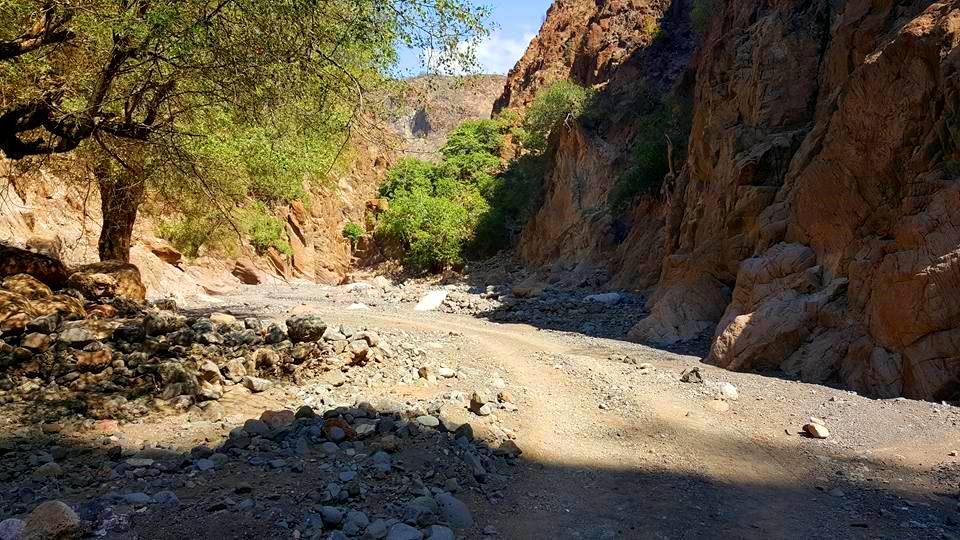
Geography and environment
The region combines shoreline, lowland deserts and dramatic uplands. A prominent feature is the Mousa Ali massif, the country's highest elevation, located toward the northern boundary. Coastal waters include shallow bays and coral-fringed inlets. Inland wadis channel episodic rain runoff and support pockets of vegetation. The overall climate is arid to semi-arid, with very hot summers, seasonal breezes on the coast and cooler temperatures at higher altitudes.
History and population
Tadjourah has long been inhabited by Afro‑Arab and Cushitic communities whose livelihoods traditionally combined pastoralism, trade and small‑scale agriculture where water allows. The coastal town developed as a trading and pearling center before modern borders were drawn, and it remains culturally significant within the country. Population density is low outside the main town and coastal settlements.
Economy and infrastructure
The regional economy rests on a mix of marine and land resources. Notable activities include:
- Salt production: Natural salt flats and tidal pans near the coast are exploited for salt extraction, both historically and today.
- Fisheries: Small‑scale fishing and related processing support local livelihoods and markets.
- Pastoralism and limited agriculture: Livestock herding dominates rural areas; vegetables and fruit are grown in irrigated wadis where possible.
Transportation links are modest: Tadjourah is served by a regional airport and by road connections that link the town to the capital and neighboring regions. Maritime access remains important for goods and passengers along the gulf.
Notable features and tourism
Mousa Ali attracts attention for its rocky summit and panoramic views; the Gulf of Tadjourah is known for clear waters, coral communities and diving opportunities. Beaches, traditional architecture in the town and seasonal cultural festivals draw a small but growing number of visitors. Conservation concerns include coastal habitat protection, sustainable fishing and water resource management in an arid environment.
Administratively, the Tadjourah Region is one of Djibouti's regions and plays a role in the country's maritime activities and pastoral economy. Its mix of coastal, desert and highland landscapes gives it ecological variety and local cultural distinctiveness within the Horn of Africa.
Questions and answers
Q: What is the Tadjourah Region?
A: The Tadjourah Region is a region located in the north-central part of Djibouti.
Q: What is the capital city of the Tadjourah Region?
A: The capital city of the Tadjourah Region is Tadjourah.
Q: What are the major industries in the Tadjourah Region?
A: The major industries in the Tadjourah Region are salt and fisheries.
Q: What airport serves the Tadjourah Region?
A: The Tadjourah Region is served by the Tadjoura Airport.
Q: Where is Mousa Ali located?
A: Mousa Ali, the highest point in Djibouti, is located in the northern part of the Tadjourah Region.
Q: What makes the Tadjourah Region unique?
A: The Tadjourah Region is unique because it has active salt and fisheries industries and is home to the highest point in Djibouti, Mousa Ali.
Q: What are some notable landmarks or attractions in the Tadjourah Region?
A: Some notable landmarks in the Tadjourah Region include Mousa Ali and the salt mines. The region is also home to several beaches and islands that are popular among tourists.
Related articles
Author
AlegsaOnline.com Tadjourah Region (Djibouti) Leandro Alegsa
URL: https://en.alegsaonline.com/art/95869
Sources
- presidence.dj : "Djibouti Population"