
Taiwan Province (Republic of China)
Provincial-level unit of the Republic of China covering most of the island of Taiwan and nearby islets. Historically a formal province, its administrative role has been largely streamlined since the late 20th century.
Overview
台灣省 (Táiwān Shěng) is a provincial-level entity in the constitutional framework of the Republic of China. It is one of the historic provinces that the Republic of China recognizes and has administered at various times. In contemporary practice the term commonly denotes the main island of Taiwan and several nearby island groups under ROC control. Historically the province covered a large share of the territory administered by the ROC and a substantial portion of its population.
Image gallery
10 Images


Geography
The provincial area primarily includes the island of Taiwan and adjacent islets such as the Penghu archipelago. The island features a narrow western coastal plain that contains most cities, farmland and industrial areas, and a central mountain chain that runs north–south with high peaks and steeper terrain. Climate varies from subtropical in the north and on the plains to more temperate conditions at higher elevations. Coastal waters and smaller islands support fisheries and maritime activities.
Administration and capital
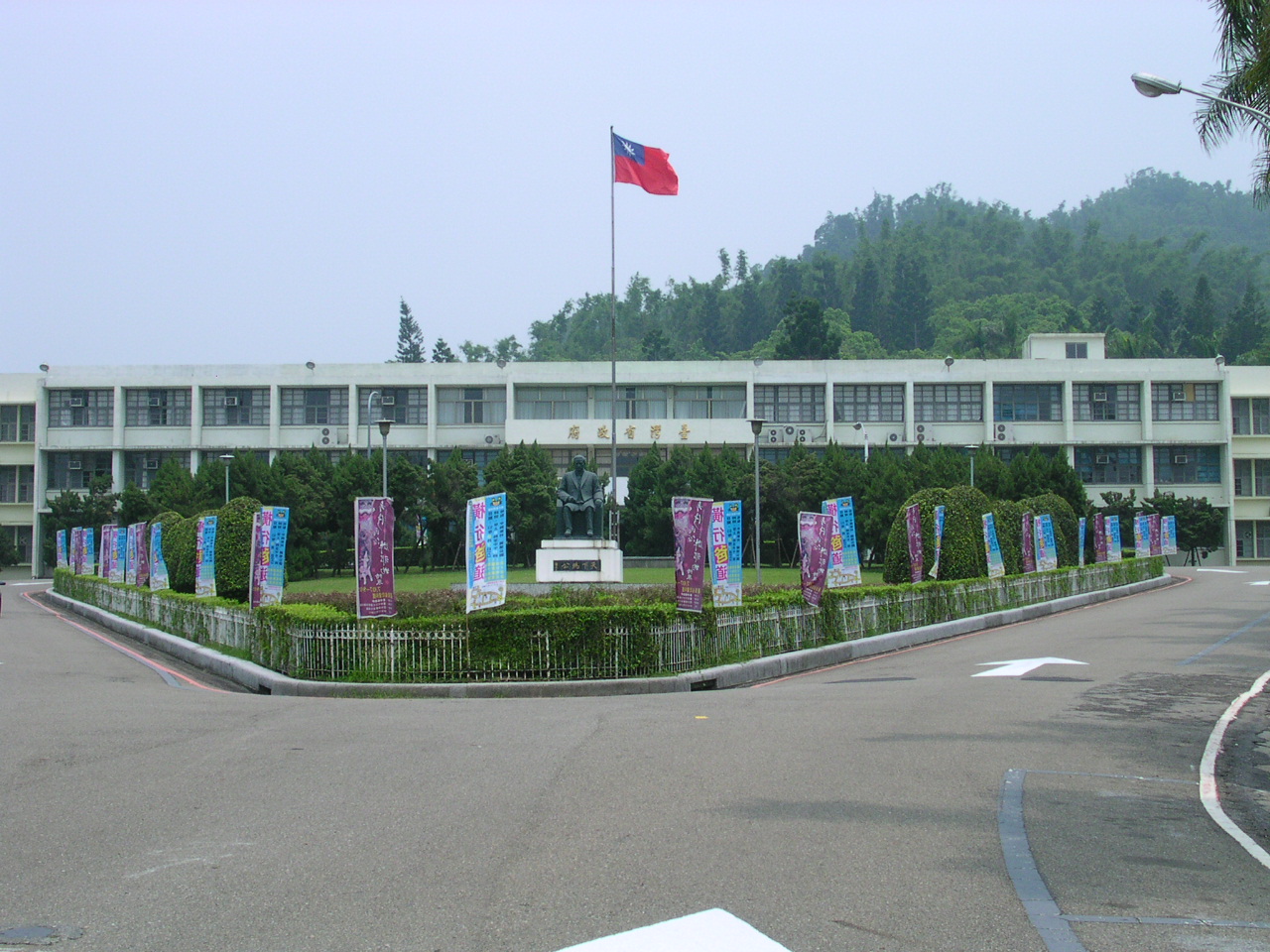
The historical provincial capital is Chung Hsing New Village in Nantou County, which served as the seat of provincial government institutions when the province maintained fuller administrative functions. Over the late 20th and early 21st centuries, many provincial responsibilities were transferred to the central government or to local governments, and several large urban areas were elevated to special municipalities, reducing the day-to-day role of the provincial tier.
- Major special municipalities outside provincial administration include Taipei, New Taipei, Taoyuan, Taichung, Tainan and Kaohsiung.
History
The administrative concept of Taiwan as a province developed under Qing dynasty reforms in the late 19th century. Taiwan came under Japanese rule from 1895 until 1945, when administration passed to the Republic of China. After the Chinese Civil War and the relocation of the ROC government to the island, Taiwan continued to be organized within a provincial framework, though that framework has been streamlined to reflect changes in governance and urbanization.
Political context
Political and international descriptions of Taiwan and its administrative divisions are sensitive and contested. The Republic of China considers the province part of its internal territorial structure, while other governments and entities may use different terms or assert different claims. In everyday usage, the word "Taiwan" commonly refers to the island and the wider area under ROC administration, encompassing territories both inside and outside formal provincial boundaries.
Demography, economy and significance
By broad measures the area commonly associated with the province contains a large share of the ROC's land area and population; estimates have often described the province as encompassing roughly three quarters of the ROC-controlled land area and a significant share of its inhabitants. The region is a major economic center with a mix of high-technology industry, services, agriculture in the plains, and fishing around coastal and island communities. Its economic output, strategic location and political status make the island and its administrative arrangements important in regional affairs and global supply chains.
Culture and infrastructure
The province's urban and rural areas host a variety of cultural traditions, languages and religious practices reflecting indigenous communities, Han Chinese migration over centuries, and modern global influences. Infrastructure includes extensive transportation networks, ports, airports, and energy and communications systems concentrated in urban corridors, along with conservation areas in more mountainous interior zones.
Related articles
Author
AlegsaOnline.com Taiwan Province (Republic of China) Leandro Alegsa
URL: https://en.alegsaonline.com/art/95950
Sources
- tpg.gov.tw : in Chinese
- lis.ly.gov.tw : 臺灣省政府功能業務與組織調整暫行條例 in Chinese