
Hot sauce: origins, varieties, production and culinary uses
Hot sauce: a global category of spicy condiments made from chili peppers. Overview of ingredients, regional styles, production methods, culinary uses, heat measurement and notable distinctions.
Hot sauce (also called chili sauce or pepper sauce) refers to a family of condiments whose primary flavor and pungency come from chili peppers. These sauces range from thin, vinegar-forward liquids to thick purées and pastes; they are used to add heat, acidity and aroma to dishes across cuisines. Hot sauces balance spiciness with supporting ingredients such as vinegar, salt, garlic, fruit or smoked peppers.
Image gallery
6 Images


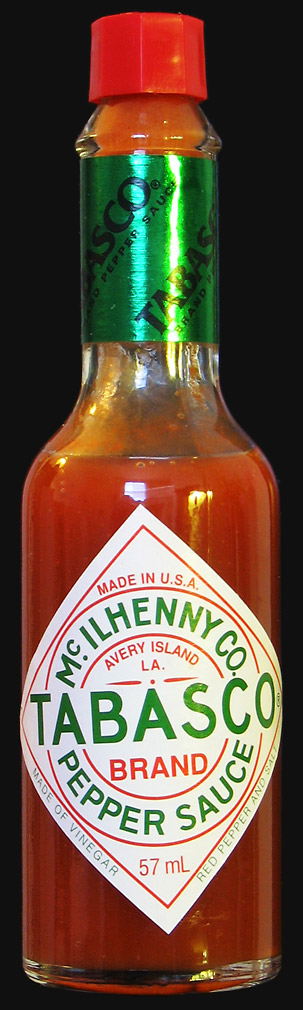
Characteristics and main ingredients
Typical components include fresh or dried chili peppers, an acidifier (often vinegar or citrus), salt and sometimes sweeteners or aromatics. Some products are fermented before blending, which develops tangy, complex flavors, while others are cooked quickly to preserve bright pepper notes. The sensation of "heat" is produced by capsaicinoids in the peppers; heat level is independent of other flavor qualities.
History and geographic spread
Chili peppers originated in the Americas and were incorporated into local culinary traditions for millennia. Following contact between the Americas and the rest of the world in the late 15th and 16th centuries, peppers spread rapidly to Africa, Asia and Europe, where people adapted them to existing sauces and condiments. Modern commercial hot sauces emerged from both home preservation practices and industrial production in the 19th and 20th centuries.
Common styles and examples
- Vinegar-based sauces (e.g., Louisiana-style): thin, tangy and often used as table condiments.
- Purées and chili pastes (e.g., Sriracha-style): thicker, with a balance of garlic and sugar.
- Smoky or adobo sauces: use smoked peppers or include tomato and spices.
- Fermented sauces: rely on fermentation for depth and shelf stability.
Uses, storage and heat measurement
Hot sauce is added sparingly as a finishing condiment, incorporated into marinades, soups, sandwiches and sauces, or used in cooking to build heat. Capsaicin levels are commonly described using the Scoville scale, which gauges perceived spiciness; however, culinary effect also depends on pepper variety and other ingredients. Most commercial hot sauces are shelf-stable due to acidity and salt; refrigeration after opening can preserve peak flavor.
Further reading and notable facts
Hot sauces vary widely in flavor profile as well as heat. Beyond pure spiciness, cooks choose sauces for acidity, smokiness, sweetness or umami. For background on chili varieties and fermentation techniques see chili resources, for culinary applications consult recipe collections at food guides, and for safety, labeling and commercial standards see regulatory overviews at industry sources.
Related articles
Author
AlegsaOnline.com Hot sauce: origins, varieties, production and culinary uses Leandro Alegsa
URL: https://en.alegsaonline.com/art/45229