
T-Mobile — Deutsche Telekom's international mobile network brand
T-Mobile is the mobile communications brand and group of operators owned by Deutsche Telekom. This article outlines its history, services, markets, technology, and notable sponsorships.
T-Mobile is the consumer mobile communications brand used by a group of operators owned by the German telecommunications company Deutsche Telekom. Originally created as a mobile network operator, the T-Mobile name identifies wireless services, retail products and marketing across multiple countries. The brand is headquartered in Bonn, Germany, and is widely recognized for its magenta color identity and large-scale consumer advertising.

Image gallery
5 Images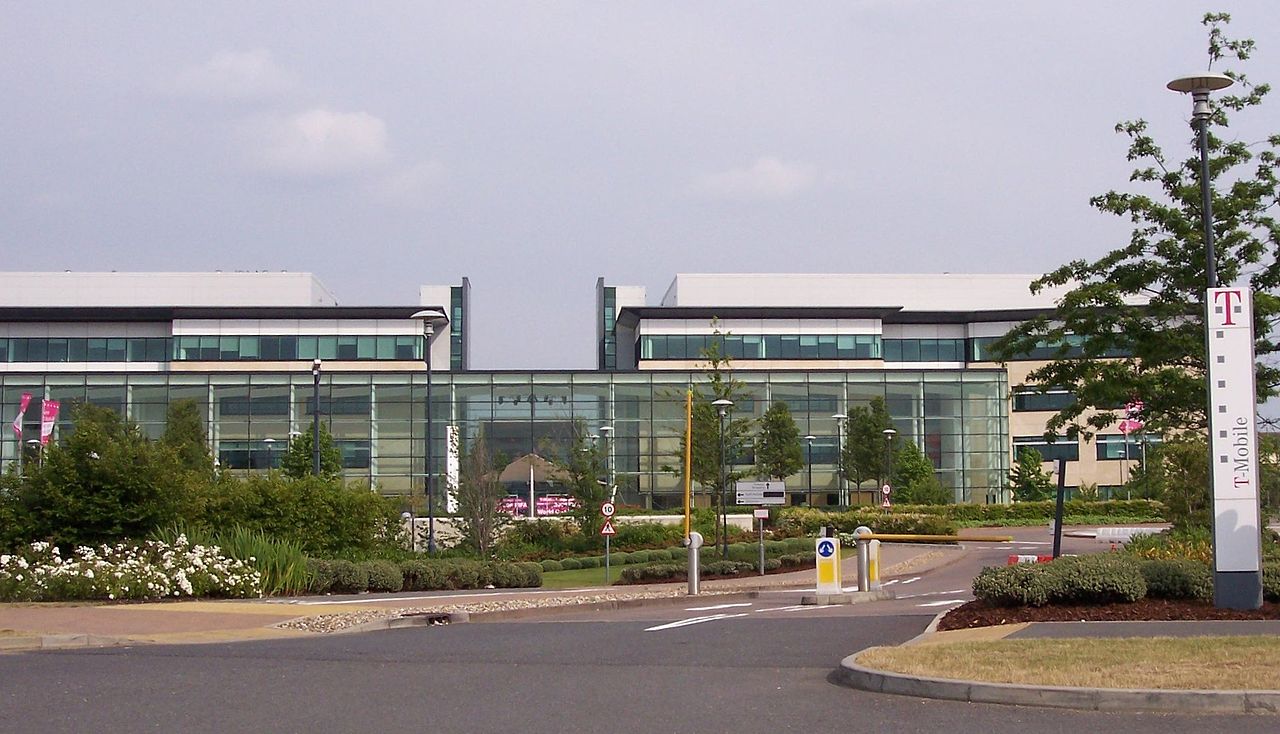


Overview and development
T-Mobile emerged from Deutsche Telekom’s mobile activities after the liberalization of European telecom markets in the 1990s. Over time the group expanded by creating or acquiring national subsidiaries and participating in regional partnerships. It became a prominent pan-European brand and established a substantial presence in the European market and the United States through local operating companies. Deutsche Telekom has also invested in operators in Eastern Europe and has competed with other large multinational carriers such as Vodafone.
Services, technology and networks
T-Mobile operators have historically deployed standards such as GSM and UMTS and later moved to LTE and 5G technologies to deliver voice, messaging and high-speed mobile data services. The brand offers consumer plans, business services, prepaid and postpaid subscriptions, mobile broadband devices and value-added services such as roaming, device financing and cloud applications. Network evolution at T-Mobile subsidiaries has mirrored global trends: migrating from 2G/3G voice-centric networks to all-IP LTE and 5G cores for higher capacity and lower latency.
Markets and subsidiaries
T-Mobile International has operated through national companies in several countries. National presences include:
- Austria
- Croatia
- Czech Republic
- Germany
- Hungary
- North Macedonia
- Montenegro
- Netherlands
- Poland
- Slovakia
- United Kingdom
- United States (operated by a separate, publicly listed subsidiary in North America)
Corporate strategy has included alliances and attempts at consolidation. For example, Deutsche Telekom considered various deals in the past and there have been industry transactions involving other large groups; one notable outcome was that the rival operator O2 was acquired by Telefonica rather than by Deutsche Telekom.
Branding, sponsorships and public profile
Beyond telecommunications, T-Mobile has sought consumer visibility through sports and cultural sponsorships. Historically the brand sponsored football teams and competitions, including kit and event partnerships such as with FC Bayern Munich, and supported professional cycling via the T-Mobile Team. It was also the official global mobile partner for the 2006 FIFA World Cup. Sponsorships and high-profile marketing have been an important part of its strategy to build brand recognition across markets.
Distinguishing points and current role
T-Mobile is best understood as both a brand and a collection of national operators under the Deutsche Telekom umbrella. While individual subsidiaries operate under local regulation and market conditions, they share common branding, commercial approaches and technological roadmaps. The group remains a major player in consumer and enterprise mobile services in Europe and North America, continuing investment in network upgrades and competitive service offers.
For more detailed information about specific national operations, technology rollouts or consumer plans, consult the national carrier pages or Deutsche Telekom’s corporate resources.
Related articles
Author
AlegsaOnline.com T-Mobile — Deutsche Telekom's international mobile network brand Leandro Alegsa
URL: https://en.alegsaonline.com/art/95758