
LATAM Airlines Brasil
Major Brazilian airline, part of the LATAM Airlines Group. Operates domestic and international passenger and cargo services from a São Paulo base with a mixed Airbus/Boeing fleet.
Overview
LATAM Airlines Brasil (Portuguese: LATAM Airlines Brasil) is the largest airline in Brazil and a leading carrier in Latin America. It is a principal component of the LATAM Airlines Group, operating both scheduled passenger and cargo services. The airline serves a broad network of domestic routes within Brazil and international flights to destinations across the Americas and beyond, using a mix of short-, medium- and long-haul aircraft.
Image gallery
10 Images


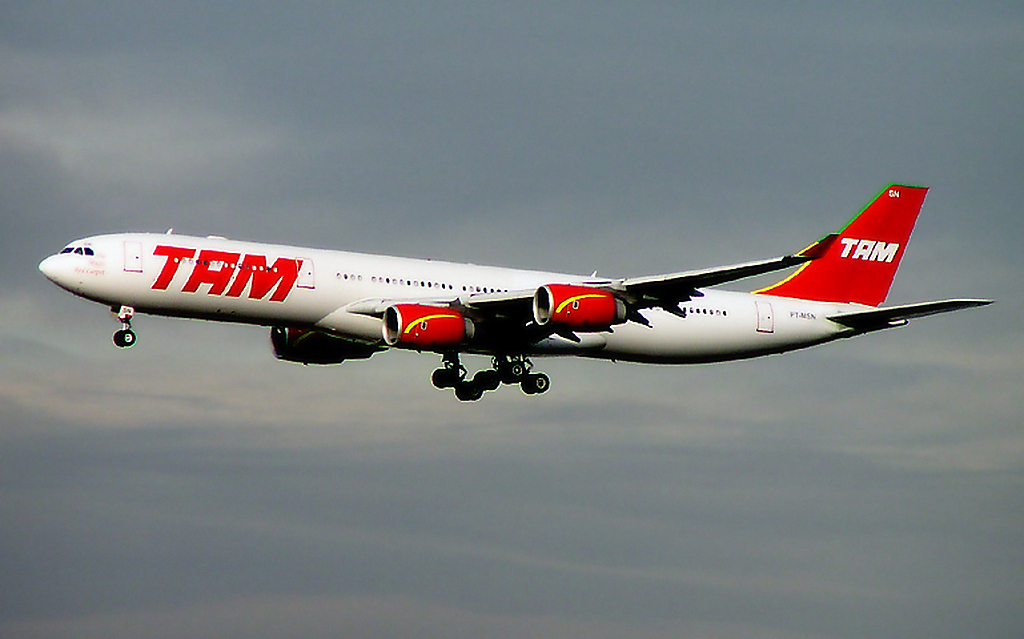


History and development
The company traces its origins to regional aviation activities in the 20th century and expanded substantially in the 2000s. A major turning point came when Brazilian operations joined with other group members to form the pan‑regional LATAM brand, consolidating market presence across countries and creating one of the largest airline groups in the Southern Hemisphere. Since then, the carrier has undergone fleet renewals, network realignments and corporate reorganizations to adapt to shifting demand and economic conditions.
Headquartered in São Paulo, the airline’s strategy emphasizes connectivity between Brazil’s major population centers and international gateways. LATAM Brasil plays an important role in domestic mobility, tourism and business travel, linking smaller cities to national hubs and facilitating onward international connections.
Operations, fleet and hubs
LATAM Brasil maintains a mixed fleet of Airbus and Boeing aircraft suitable for a variety of route lengths. Its operations combine passenger services with significant cargo capacity, which supports trade and logistics across the region. Primary operating bases include São Paulo–Guarulhos and other major Brazilian airports.
- Main hub: São Paulo–Guarulhos (primary international and domestic gateway).
- Domestic network: dense coverage linking regional airports and state capitals.
- Fleet characteristics: modern narrow‑body aircraft for domestic/short haul and widebody types for long haul and higher‑capacity routes.
As part of a larger airline group, LATAM Brasil coordinates schedules, frequent‑flyer benefits and commercial policies with sister companies. For more information about the company and its regional role see resources on Brazilian aviation and Latin American air transport: Brazilian carrier profile and regional overview.
Notable distinctions include its status as the largest airline in Brazil and as a central operator in Latin American air travel. The airline's evolution reflects wider trends in consolidation, fleet modernization and regional integration within the global aviation industry.
Related articles
Author
AlegsaOnline.com LATAM Airlines Brasil Leandro Alegsa
URL: https://en.alegsaonline.com/art/96166
Sources
- flipkart.com : "Online Shopping India - Buy Mobiles, Electronics, Appliances, Clothing and More Online at Flipkart.com"
- planespotters.net : planespotters.net/Airline/TAM-Linhas-Aereas
- nytimes.com : "Rolim A. Amaro, 58, Dies; Built Up Brazil's TAM Airline"
- fundinguniverse.com : "History of TAM Linhas Aéreas S.A. – FundingUniverse"
- fodors.com : "LAN and TAM Airlines Merge to Form LATAM Airlines Group"
- eturbonews.com : "The number of UK operators to Yemen looks set to triple in 2009"
- aviationknowledge.wikidot.com : "TAM Airlines Flight 3054 - Analysis - AviationKnowledge"