
Syro-Malabar Catholic Church: history, liturgy, structure and global presence
An overview of the Syro-Malabar Catholic Church: its East Syriac liturgy, origins in the Saint Thomas Christian tradition in India, governance, global dioceses, and notable features.
Overview
The Syro-Malabar Catholic Church is an Eastern Catholic Major Archiepiscopal Church in full communion with the Bishop of Rome. It belongs to the family of churches that use the East Syriac liturgical tradition, often described as the Chaldean (East Syriac) Rite. Its members are the largest community among the Saint Thomas Christians, a group that traces its origins to the mission of St. Thomas the Apostle, who is traditionally believed to have reached the southwestern coast of India in the first century. The church's historic center is in the state of Kerala on India’s Malabar Coast, and its administrative headquarters are based in the Ernakulam–Cochin area.
Image gallery
10 Images




Liturgy, language and spiritual life
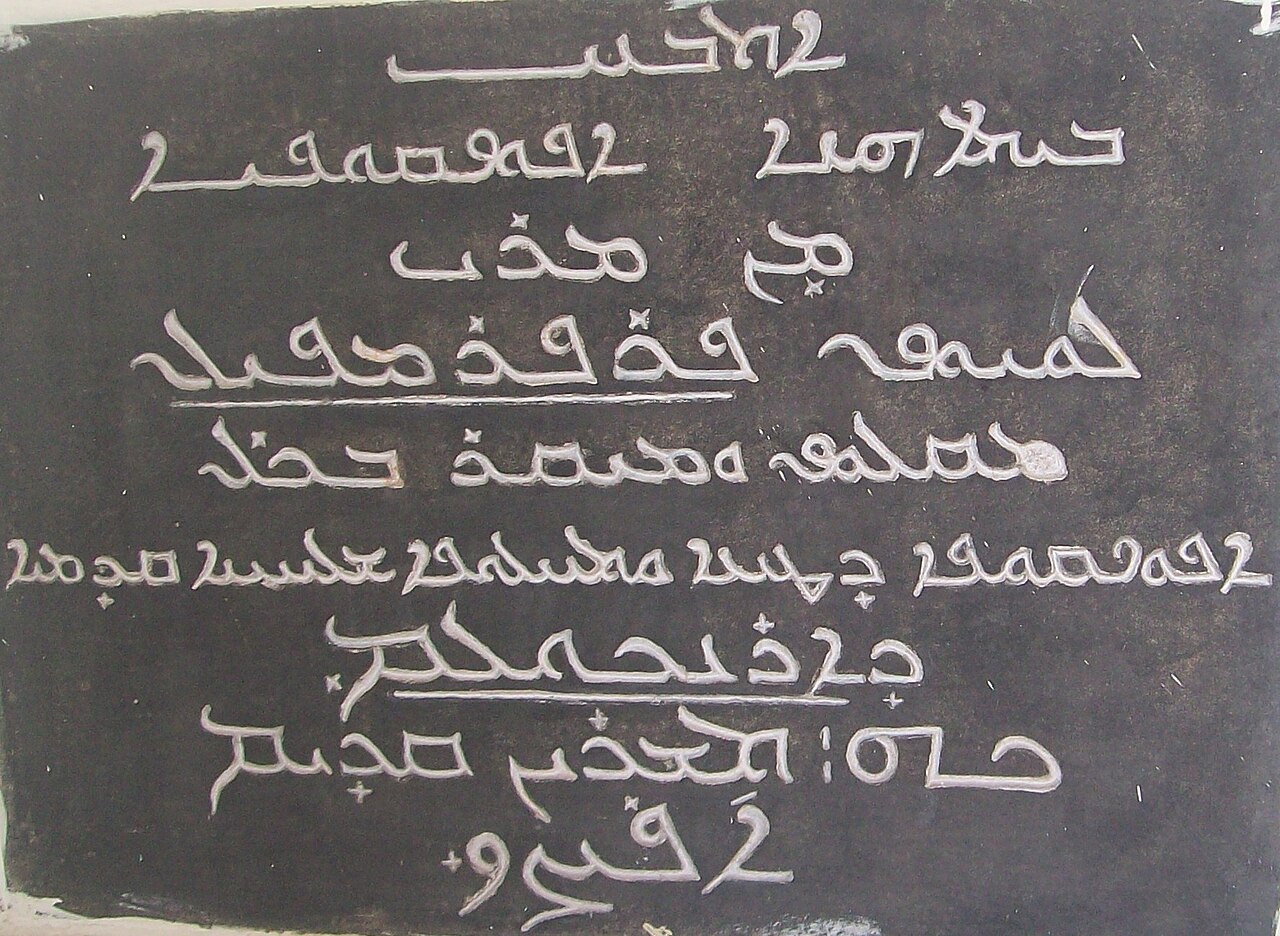
The Syro-Malabar Church celebrates the Eucharist in a form known as the Holy Qurbana, following rites and prayers derived from the East Syriac tradition. Historically the liturgical language was Syriac, a dialect of Aramaic; in modern practice the Qurbana is often celebrated in Malayalam and other vernaculars while Syriac is retained for particular prayers and hymns. Spiritual life emphasizes sacraments, devotion to the Mother of God, and a calendar of feasts shaped by both Eastern Christian and local Indian religious sensibilities.
Organization and governance
As a Major Archiepiscopal Church, the Syro-Malabar Church has its own synod of bishops and a Major Archbishop who presides over internal affairs in coordination with the Holy See. The church is organized into eparchies (dioceses) and archeparchies led by bishops and archbishops. It maintains seminaries, religious institutes, and educational and social institutions that serve both pastoral and charitable purposes.
History and origins
The identity of the Syro-Malabar community is rooted in the long history of Christianity on India’s Malabar Coast. Local tradition maintains that St. Thomas evangelized communities of Jews and local populations and established Christian settlements. Over centuries these communities developed distinct liturgical and cultural practices through contact with Persian, Syriac and later Portuguese influences. After periods of internal change and reunion with Rome, the Syro-Malabar Church emerged as a self-governing Eastern Catholic Church while preserving its East Syriac heritage.
Global presence and contemporary importance
Originally concentrated in Kerala, the Syro-Malabar Church has expanded with migration to form eparchies and pastoral centers across India and around the world. Today it has multiple dioceses both within India and in the diaspora, serving communities in the Middle East, North America, Europe, Australia and elsewhere. The church contributes to the social and educational life of its regions through schools, hospitals and charitable works, and it plays a role in ecumenical dialogue among Indian Christians and in relations with other Eastern Christian traditions.
Characteristics and notable facts
- Rite: East Syriac liturgical tradition (Chaldean rite), with historical use of Syriac and modern use of local languages.
- Structure: Major Archiepiscopal Church with a synod of bishops, eparchies, and a Major Archbishop as head.
- Identity: Part of the Saint Thomas Christian heritage; often locally referred to as Syrian Catholics in Kerala.
- Saints and leaders: The church counts among its faithful saints such as St. Alphonsa, the first woman from India canonized by the Catholic Church.
- Scope: Numerous dioceses worldwide, reflecting both its Indian roots and its global diaspora.
For institutional information, official statements and further reading consult sources linked by church authorities and academic treatments of the Saint Thomas Christian tradition. Additional context about liturgical texts, canonical status and recent developments is available through specialized ecclesiastical resources and pastoral offices of the Syro-Malabar Church.
Chaldean Rite information | St. Thomas tradition | India | Kerala
Related articles
Author
AlegsaOnline.com Syro-Malabar Catholic Church: history, liturgy, structure and global presence Leandro Alegsa
URL: https://en.alegsaonline.com/art/95714