
Tallit: the Jewish prayer shawl — meaning, parts, and uses
A tallit is a Jewish prayer shawl with fringes (tzitzit) that marks religious obligation and ritual practice. This article explains its design, history, uses, and community variations.
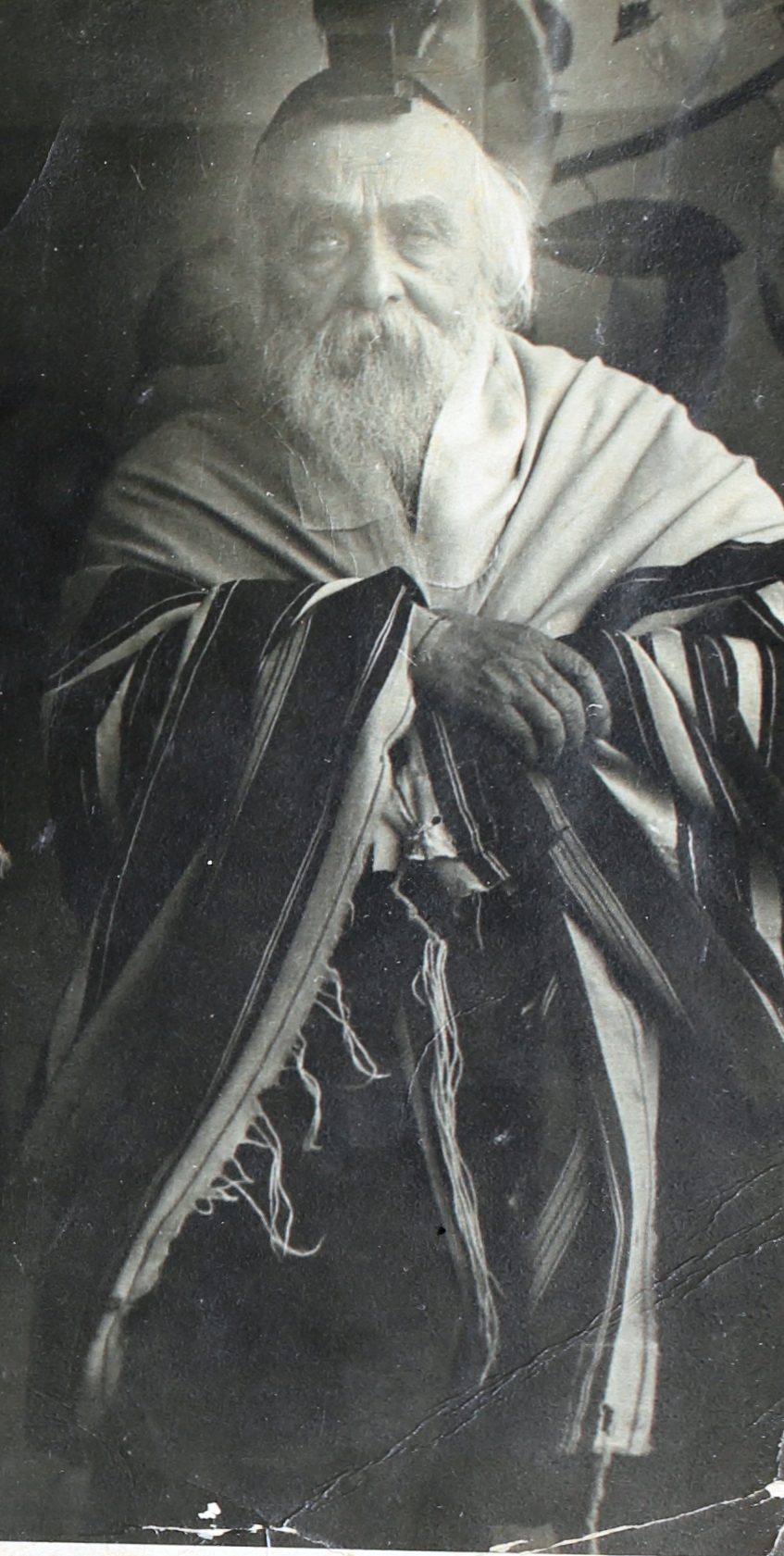
The tallit (plural: tallitot or tallises) is a rectangular Jewish prayer shawl traditionally worn during communal morning prayers and other religious occasions. Its most distinctive feature is the set of fringes, called tzitzit, attached to each of the garment's four corners in fulfillment of a biblical commandment. The tallit functions as a visible symbol of devotion, a reminder of commandments, and a garment for liturgical use.
Image gallery
10 Images





Design and components
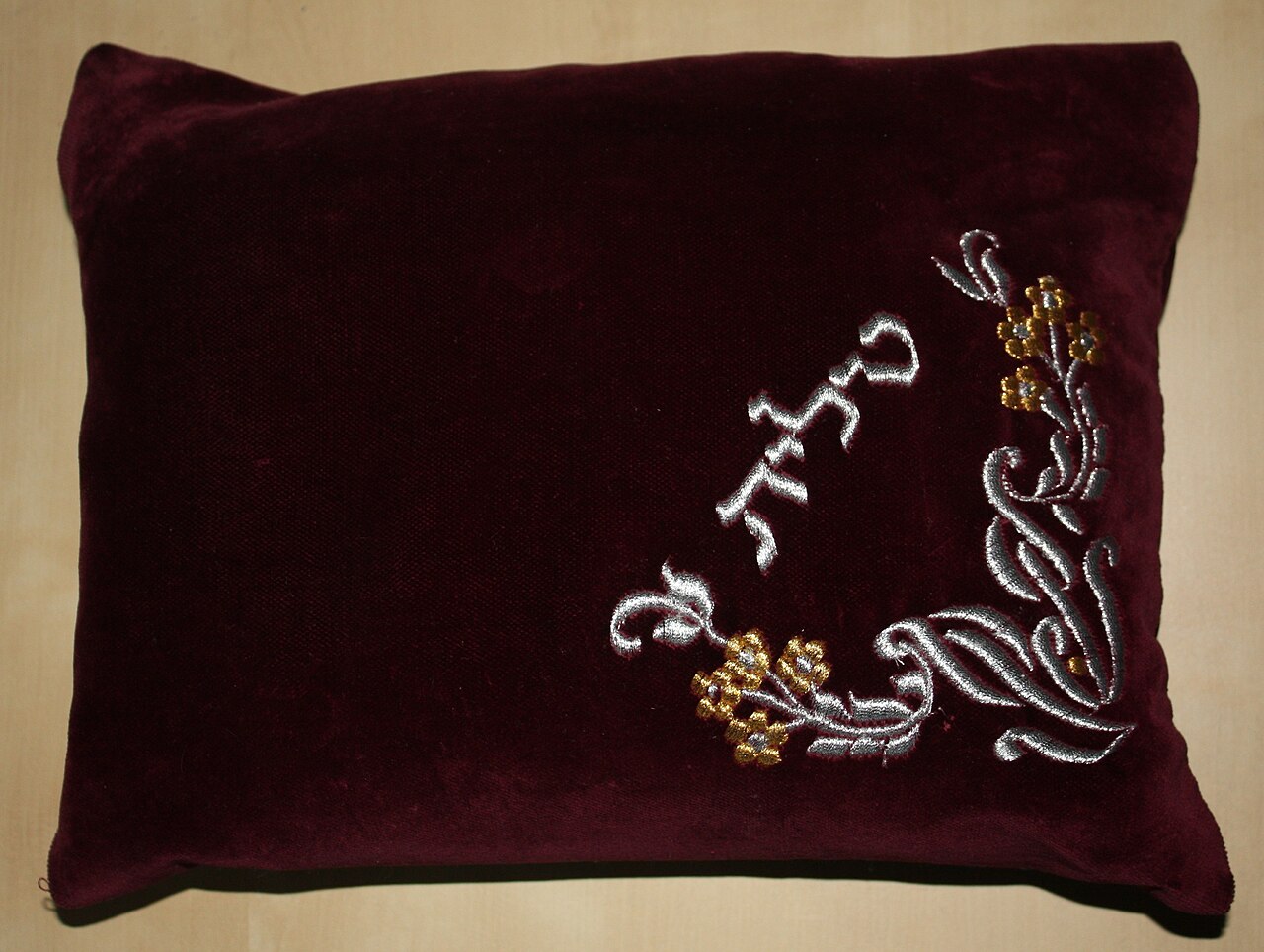
A typical tallit is made from wool, cotton, silk, or blended fabrics and may be plain or decorated with stripes, embroidery, or a woven neckband called an atarah. The tzitzit are tied in a prescribed manner and are the halakhic (legal) element that defines the garment's ritual status. There are two common forms: the larger outer shawl (tallit gadol) and the smaller undergarment (tallit katan) worn under clothing.
History and religious basis
The obligation to place fringes on the corners of a four-cornered garment is stated in the Torah. Over centuries the tallit developed into a customary liturgical garment. Different Jewish communities adopted variations in size, color, and ritual tying of the tzitzit. Traditional practice typically introduces regular tallit use after a boy's coming of age; however, customs differ by denomination and community.
Wearing a tallit is most common during weekday and festival morning services, on the Sabbath, and at life-cycle events such as weddings. Some communities also drape a tallit over a mourner or use it as a canopy. Many men are buried wrapped in a tallit; in some traditions one tassel is cut before burial so the garment is not ritually complete.
- Variations: Orthodox men commonly wear tallit gadol and tallit katan; non-Orthodox communities may include women in tallit use.
- Care and symbolism: The atarah often bears blessings; colors and patterns can indicate family, community, or personal taste.
For further reading on practice and legal details, see resources provided by Jewish authorities and community guides. The tallit remains both a practical ritual item and a potent cultural symbol across Jewish life and worship. More on communal practices
Related articles
Author
AlegsaOnline.com Tallit: the Jewish prayer shawl — meaning, parts, and uses Leandro Alegsa
URL: https://en.alegsaonline.com/art/96148