
Chaldean Rite (East Syrian Rite)
An overview of the Chaldean or East Syrian Rite: its liturgical characteristics, historical development, major churches that use it, and its present-day communities and distinctions.
Overview
The Chaldean Rite, commonly called the East Syrian Rite, is the liturgical tradition historically associated with the Church of the East and its descendant churches. It preserves a distinct body of liturgical texts, prayers and ceremonial practices in the Syriac language and has been used for centuries in Mesopotamia, Persia, India and beyond. Today its forms are practiced by several churches, including the Assyrian Church of the East, the Ancient Church of the East, the Chaldean Catholic Church and the Syro-Malabar Catholic Church.
Image gallery
8 Images


Liturgical characteristics
The rite is often identified by its ancient anaphoras, liturgical calendar and Syriac hymnody. Central features include:
- Use of Classical Syriac for many prayers and scriptural readings, a literary form of the Syriac language.
- Ancient Eucharistic prayers such as the Anaphora of Addai and Mari, among the oldest surviving Eucharistic texts.
- A chanted and responsorial style of worship with ritual actions that developed in Mesopotamian Christian communities.
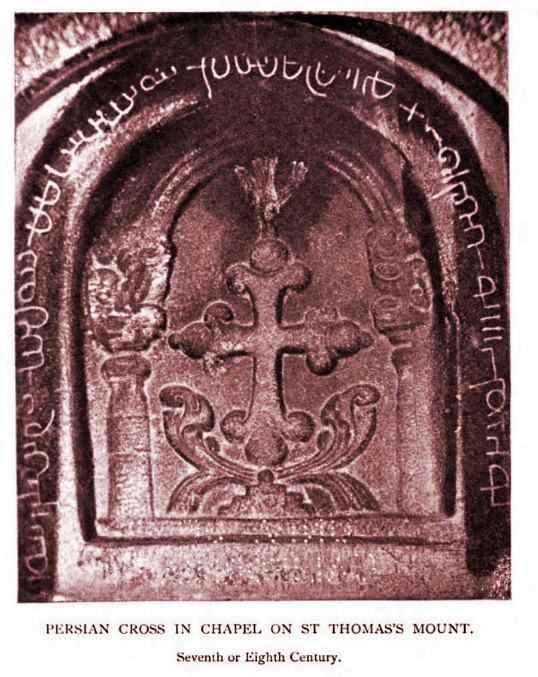
- Local adaptations: communities in India (the Saint Thomas Christians) incorporated East Syrian forms with regional languages and customs.
History and development
The tradition traces its missionary and liturgical roots to the early centuries of Christianity in the Near East. According to longstanding Christian tradition, Saint Thomas the Apostle and other early missionaries established communities in Mesopotamia and India. The Church of the East emerged as a major ecclesiastical body in Persia, developing distinct theological, liturgical and administrative practices. After the Council of Ephesus (431) rejected certain teachings associated with Nestorius, the East Syrian church remained separate from Byzantine and Western churches; the label Nestorianism has long been used in Western literature though its application and scope have been debated by scholars and the churches themselves.
Modern era, disruptions and diaspora
Over centuries the Church of the East experienced periods of expansion and severe crisis. The invasions and political upheavals of the late medieval era, including campaigns associated with Tamerlane, greatly reduced many communities. From the early modern period some groups entered into communion with Rome, giving rise to what is now called the Chaldean Catholic Church and influencing the liturgical life of the Indian Syro-Malabar community. Today East Syrian Rite churches are found in Iraq, Iran, Syria, India and among global diasporas.
Distinctions and importance
The East Syrian or Chaldean Rite differs from other Syriac traditions such as the West Syrian (Antiochene) Rite in language nuances, liturgical texts and certain ceremonial forms. Its historical significance lies in its role as a conduit of Christian worship and theology across Asia, its preservation of early liturgical material, and its influence on Christian communities from the Persian plateau to the Malabar coast.
For further reading on institutional histories and liturgical texts consult the official sites and specialist literature for the major churches: the Assyrian Church of the East, the Ancient Church of the East, the Chaldean Catholic Church, the Syro-Malabar Catholic Church and general references to the Holy See and Syriac traditions. More background on controversies and historical terminology is available through studies that consider figures such as Nestorius and the broad category sometimes labeled Nestorianism.
Scholars and faithful alike continue to study how the East Syrian liturgical corpus reflects early Christian theology, regional adaptation and ongoing renewal within communities that still cherish Syriac as a living liturgical language (Syriac).
Related articles
Author
AlegsaOnline.com Chaldean Rite (East Syrian Rite) Leandro Alegsa
URL: https://en.alegsaonline.com/art/18378