
Tabernacle: Portable Sanctuary, Eucharistic Receptacle, and Church Name
A multi-faceted term: originally the portable sanctuary of Exodus, the Tabernacle became a symbol and object in later Judaism and Christianity, a Eucharistic repository, and a name for various church buildings.
Overview
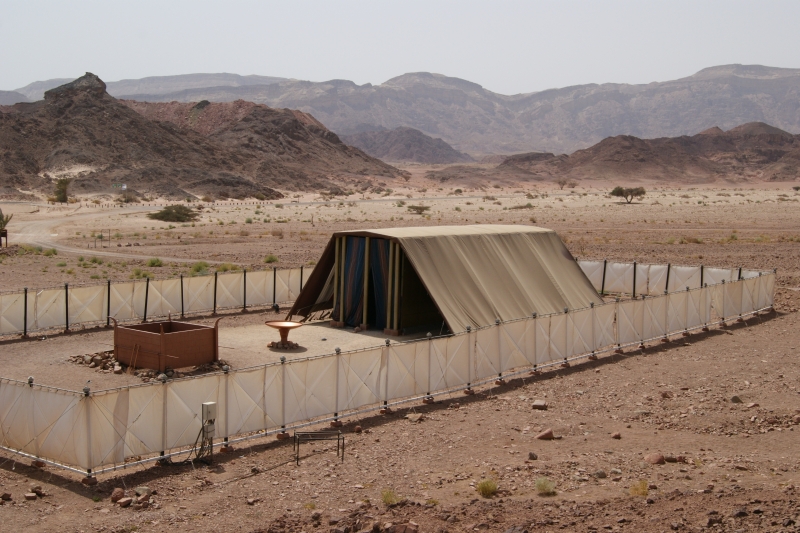
The tabernacle originally denotes the portable sanctuary described in the Book of Exodus: a tent-like structure erected by the Israelites as a holy dwelling for God while they traveled in the wilderness. The biblical tabernacle served as the center of worship, priestly ritual, and the place where the Ark of the Covenant was housed. See the narrative in Exodus and references to the movable tent form.
Image gallery
10 Images




Structure and furnishings
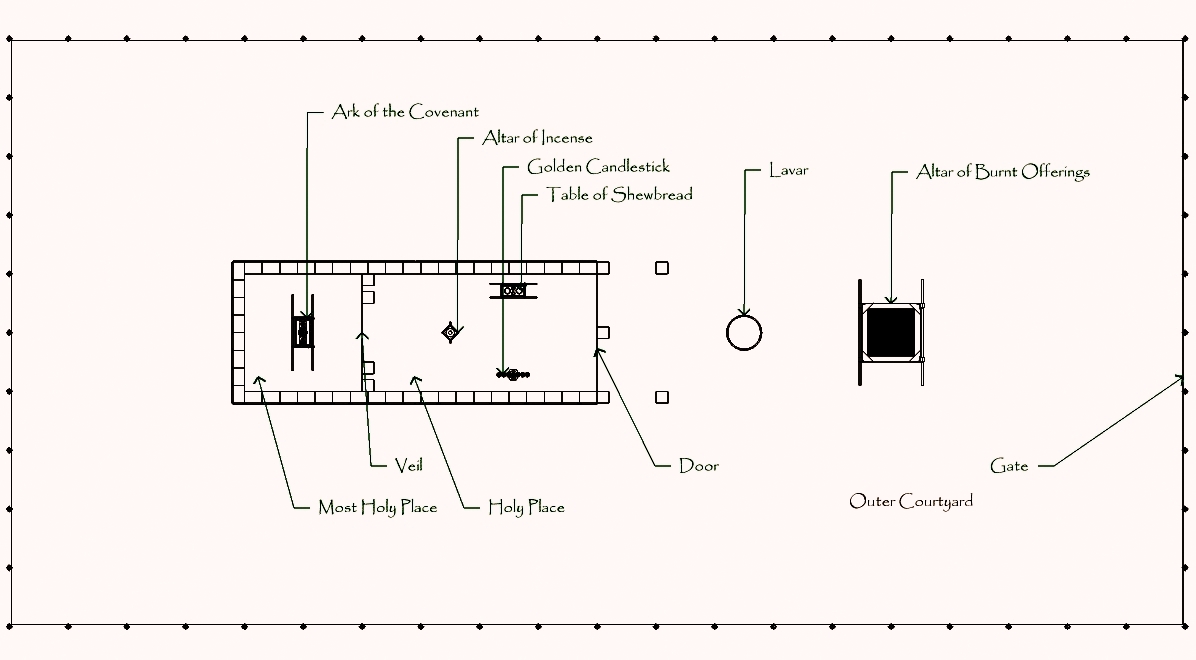
Scripture and later tradition describe a framed tent divided into an outer court, the Holy Place, and the inner Holy of Holies. Key elements included:
- Ark of the Covenant in the Holy of Holies, symbolizing God's presence.
- Menorah (a seven-branched lampstand), a table for showbread, and an altar for incense in the Holy Place.
- An altar for sacrifices and a laver for ritual washing in the outer court.
History and religious significance
Built according to divine instructions given to Moses, the tabernacle embodied theological ideas about holiness, mediation, and sacred space. It accompanied Israel until a permanent temple was constructed in Jerusalem, but it continued to influence liturgical forms and the conception of divine indwelling.
Later uses and meanings
Over time the term "tabernacle" acquired additional senses. In Roman Catholicism it denotes the locked receptacle where the consecrated Eucharist is reserved; it remains central to devotional practice and is often housed in a prominent place in a church building (Catholic, Eucharistic).
As a building name and denomination usage
Many Protestant and Nonconformist congregations adopted the name "Tabernacle" for chapels and meeting halls, reflecting the idea of a gathered sanctuary; similarly, the term has been used for important assembly halls in the Latter-day Saint movement. Examples appear in the names of historic meeting places and civic auditoria (Non-conformist and Mormon).
Distinctions and notable points
Scholars distinguish the biblical tabernacle as an ancient cultic structure from later architectural and devotional uses of the word. In Christian contexts the tabernacle may be a physical box, a named building, or a symbolic concept of God dwelling among people (temple, dwelling place of God). For further general reading see tent sources and denominational summaries (scriptural, Catholic practice).
Related articles
Author
AlegsaOnline.com Tabernacle: Portable Sanctuary, Eucharistic Receptacle, and Church Name Leandro Alegsa
URL: https://en.alegsaonline.com/art/95792