
Thomas the Apostle (Saint Thomas)
One of the Twelve apostles of Jesus, known as Didymus ('the twin') and remembered for doubting the Resurrection, early non‑canonical traditions, and a long association with Christian communities in India.
Overview
Thomas, also called Didymus (Greek for "twin"), is one of the Twelve apostles of the Twelve appointed by Jesus. In the canonical Gospels he appears in lists of the apostles and in a notable episode that gave rise to the sobriquet "Doubting Thomas." Beyond the New Testament, Thomas is associated in later Christian tradition with missionary activity and with a body of early Christian literature.
Image gallery
10 Images



New Testament account
The Gospel narratives give few personal details about Thomas. He is one of the twelve chosen followers and is named in synoptic lists. The best‑known incident describes his reluctance to believe in Jesus' resurrection until he saw and touched the risen Lord's wounds; this scene has been a focal point for reflections on faith and evidence in Christian theology and art.
Writings and apocrypha
An early non‑canonical text bears his name, the Gospel of Thomas, a collection of sayings attributed to him. Scholars regard this gospel as part of the diverse literature of early Christianity; it differs in form and theological emphasis from the four canonical Gospels and is valued for what it reveals about early Christian thought, rather than as a straightforward historical record.
Tradition and missionary activity
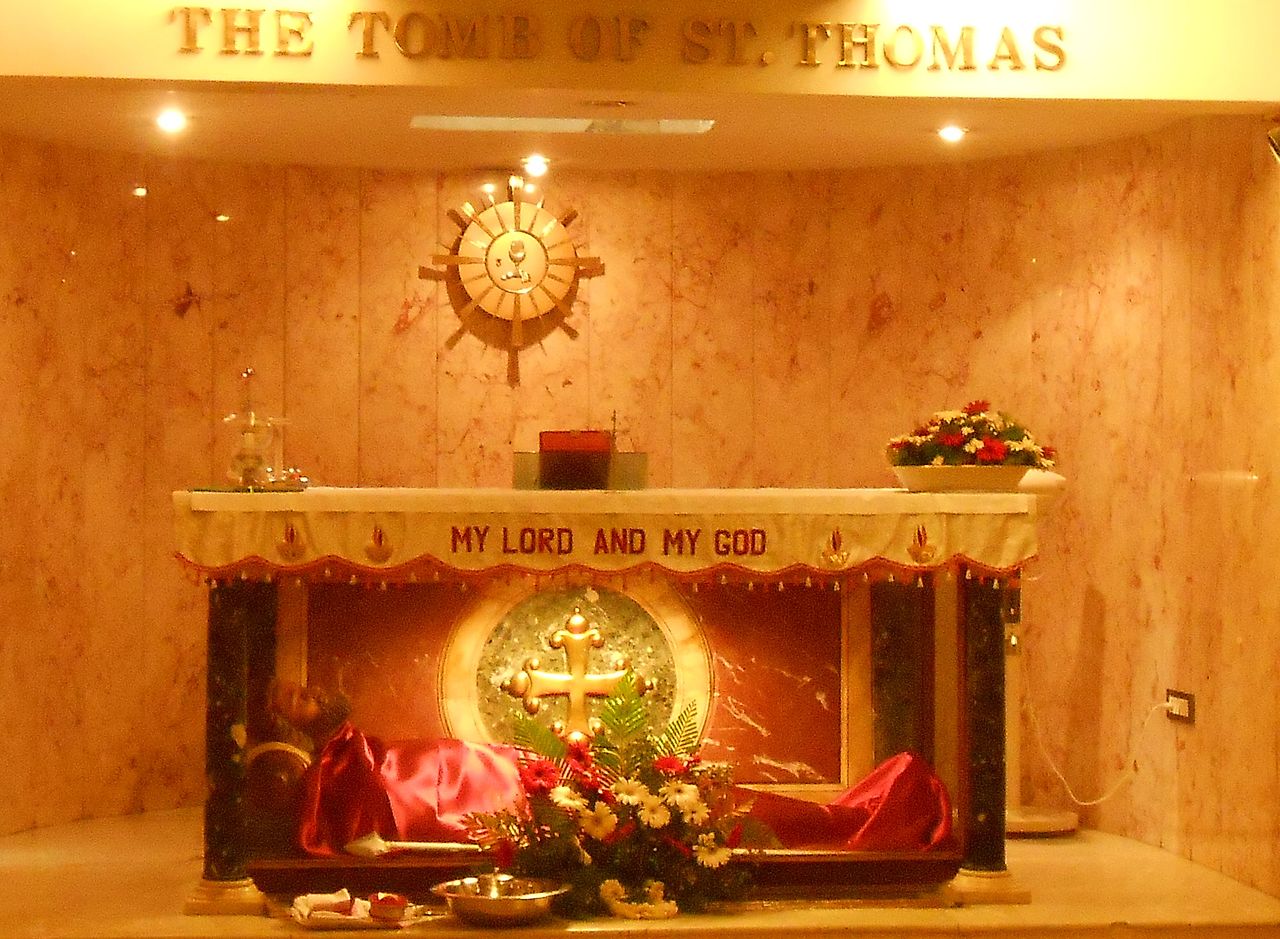
Longstanding traditions, especially in the East, associate Thomas with missionary journeys beyond the Mediterranean. Communities in India — often called the Saint Thomas Christians — trace their origins to his mission and venerate him as a founder figure. Local accounts describe his preaching, baptizing, and eventual martyrdom, and several churches and shrines claim links to his ministry; these are treated as venerable traditions rather than universally documented history.
Veneration and legacy
Thomas is honored across many Christian communions. His feast is observed in various calendars (for example, in the Roman Catholic Church on July 3), and he figures in liturgy, hymnography, and devotional art. Beyond devotional use, the story of Thomas has inspired theological discussion about faith, doubt, and the relation of testimony to belief.
Notable facts
- Also called Didymus — "the twin."
- Famous for the episode of initial disbelief in the resurrection.
- Linked by tradition with the origins of Christianity in parts of India.
Related articles
Author
AlegsaOnline.com Thomas the Apostle (Saint Thomas) Leandro Alegsa
URL: https://en.alegsaonline.com/art/99540