
Battle of the Mediterranean (World War II)
Naval campaign fought across the Mediterranean Sea during World War II, encompassing convoy battles, fleet actions, air and submarine warfare that shaped the North African and Mediterranean theatres.
Overview
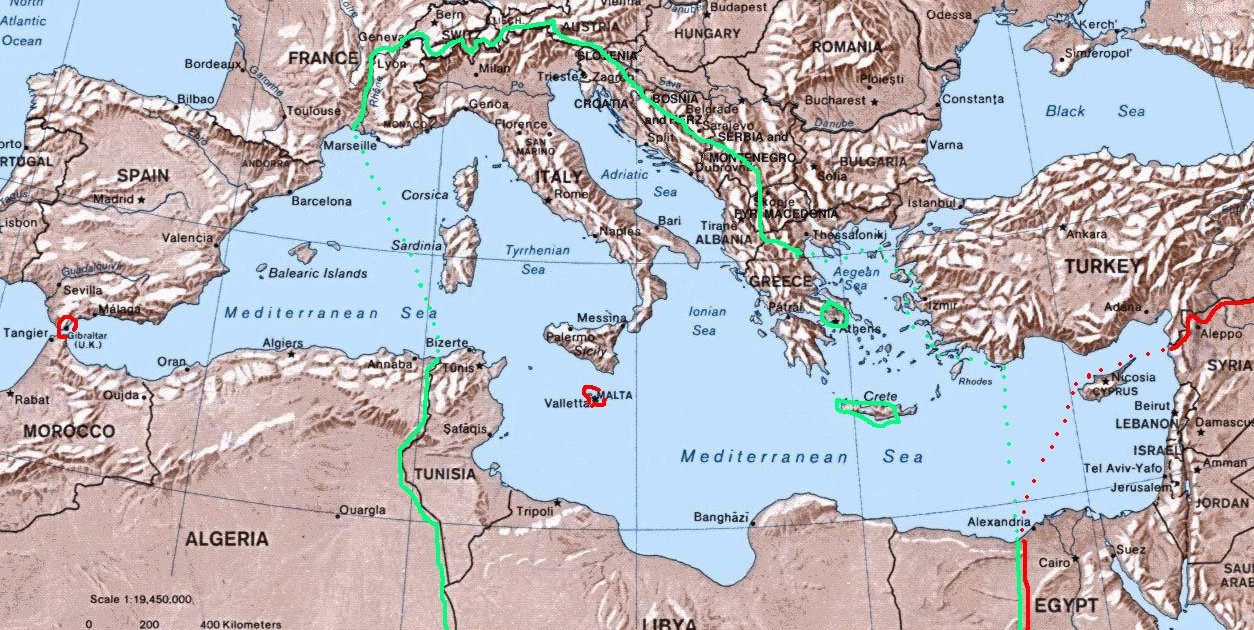
The Battle of the Mediterranean was the prolonged naval campaign fought in the Mediterranean Sea during World War II. It extended from the outbreak of war in 1939 to the Axis collapse in 1945 and linked sea control, air power and land operations. Control of sea lanes determined the flow of supplies to North Africa, the survival of Malta, and access to the Suez Canal and Middle Eastern oil.
Image gallery
5 Images


Conduct of the campaign
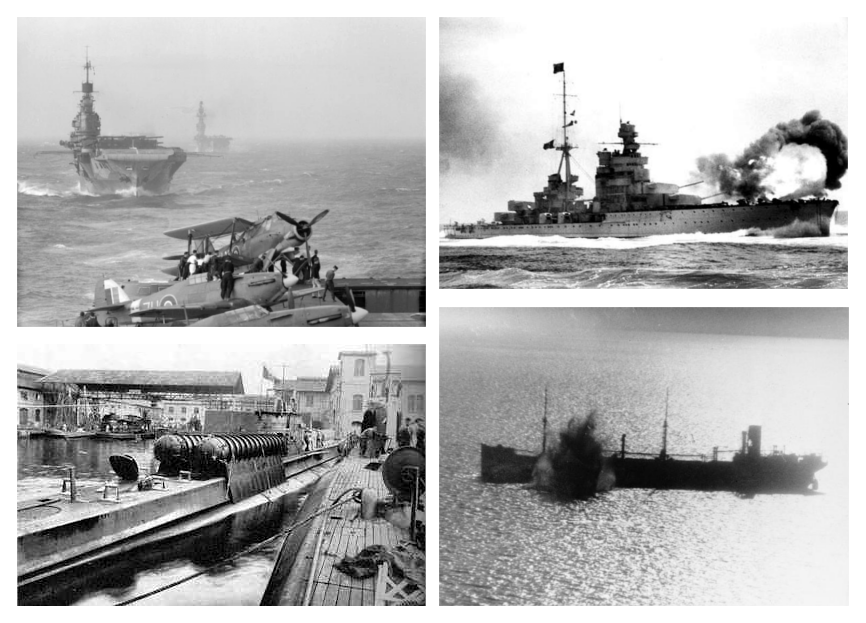
The struggle combined surface actions, convoy escorting, submarine warfare and carrier aviation. Both sides used cruisers, battleships, destroyers, submarines and increasingly aircraft operating from carriers and island bases. Intelligence, including signals interception and codebreaking, played a decisive role in locating convoys and opposing fleets.
Key engagements and players
- Major navies: the British Royal Navy, the Italian Regia Marina, the Kriegsmarine and later the United States Navy.
- Famous actions: carrier strikes and night battles, including early carrier raids and fleet clashes that influenced naval tactics.
- Convoy operations: repeated convoy battles to sustain Malta and supply the North African campaigns; notable relief efforts and high-risk transits.
Well-known episodes included carrier air attacks that damaged the Italian fleet and fleet battles off the Greek and Libyan coasts. Submarines and aircraft sank transports and warships, while shore-based airfields and Malta-based forces harassed Axis supply routes.
The campaign's importance lay in its direct effect on the North African land war and Allied strategic options in the Mediterranean and Middle East. Successes and failures at sea influenced operations such as amphibious landings and the timing of large-scale advances on land.
Legacy: the Battle of the Mediterranean demonstrated combined-arms naval warfare, highlighted the value of signals intelligence, and shaped postwar naval doctrine in confined seas.
Related articles
Author
AlegsaOnline.com Battle of the Mediterranean (World War II) Leandro Alegsa
URL: https://en.alegsaonline.com/art/9567