
Battle of Vimy Ridge (1917)
A World War I engagement in April 1917 in northern France in which the Canadian Corps captured a heavily fortified German position, noted for its planning, tactics and national significance for Canada.
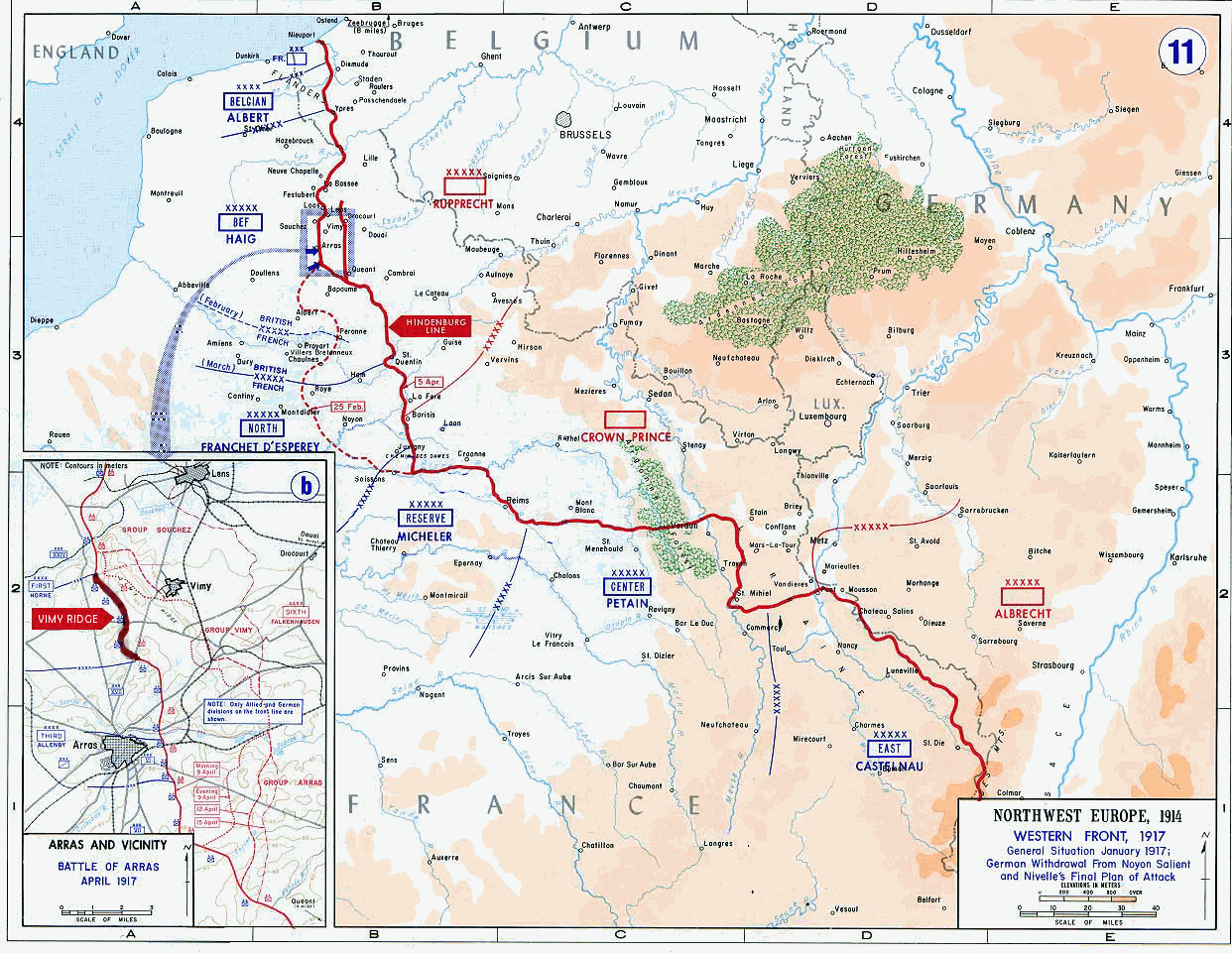
The World War I engagement known as the Battle of Vimy Ridge took place in April 1917 near Arras in northern France. The action was one phase of the larger Arras offensive and focused on a continuous, elevated ridge that had been held by the German forces since 1914. Because the ridge provided outstanding observation over the surrounding plains, it had long been a key defensive position and a repeated objective for the Allied armies.
Image gallery
10 Images
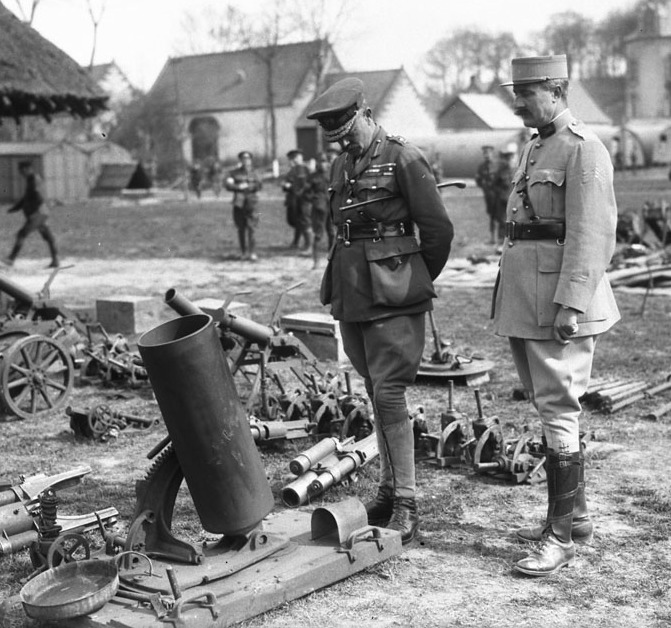
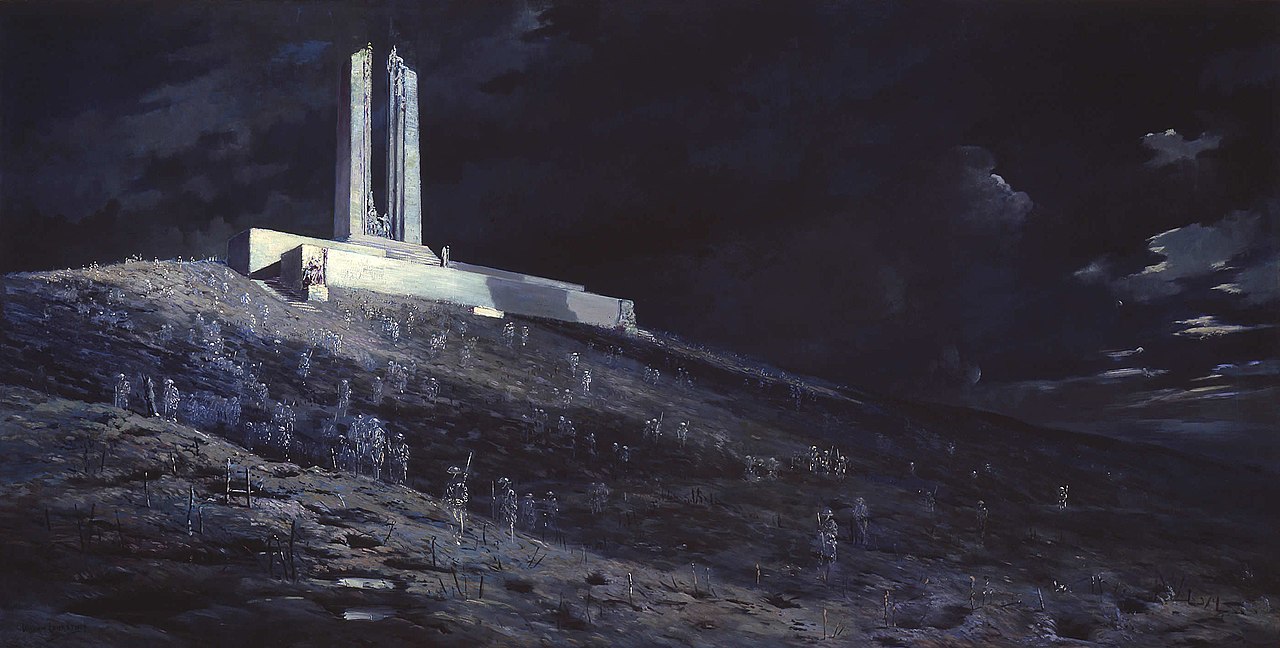

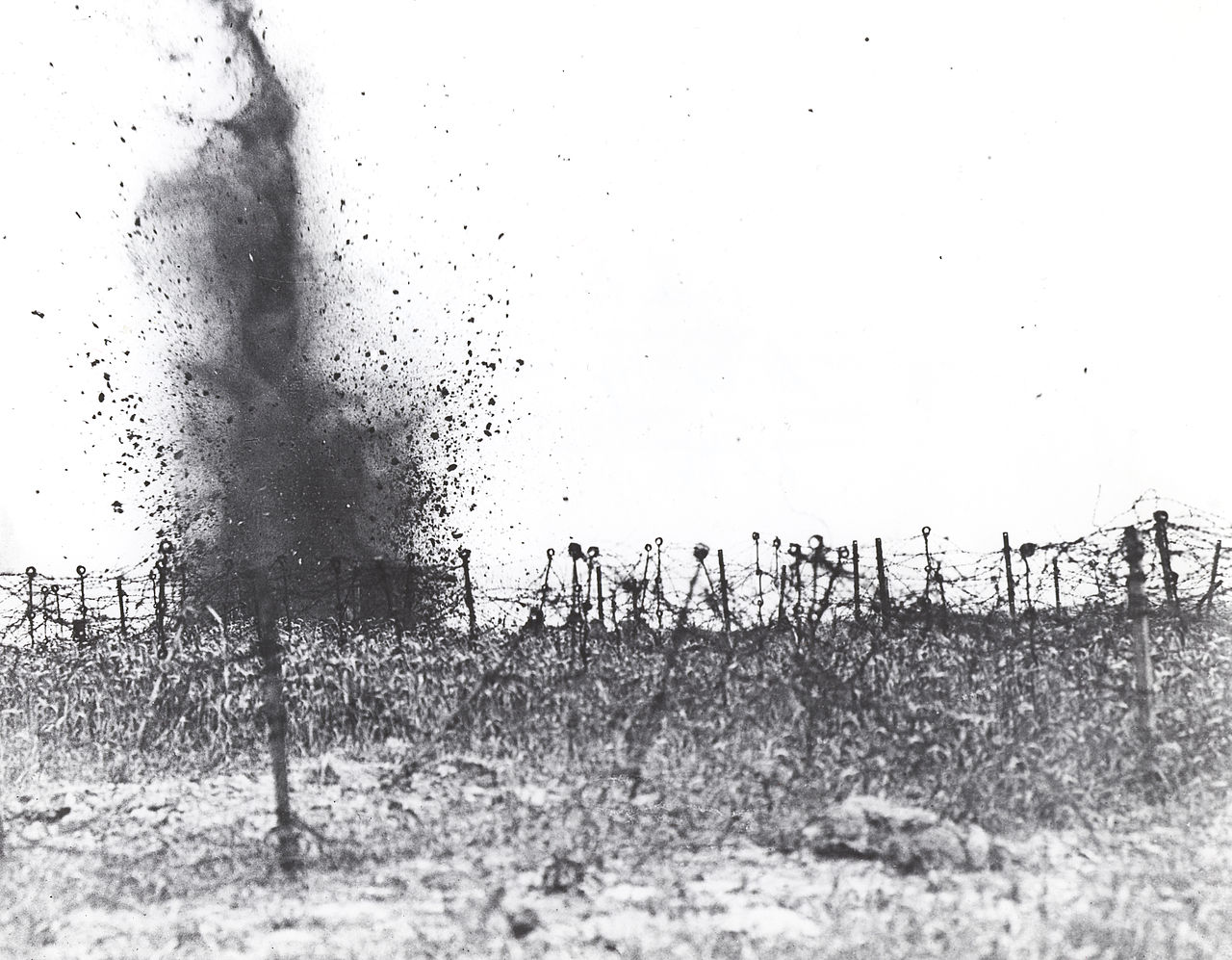
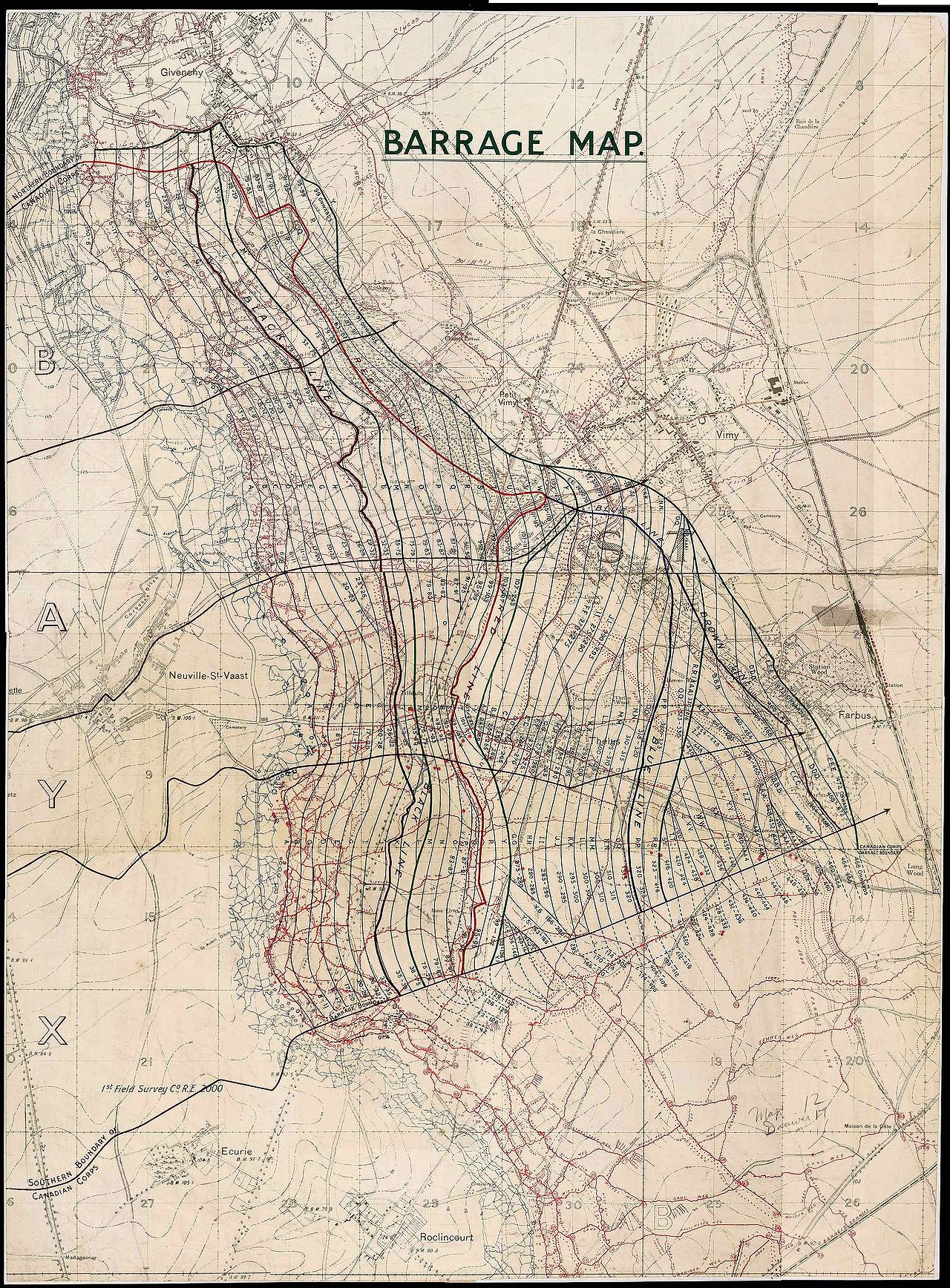


Terrain and defences
Vimy Ridge is an elongated rise roughly eight kilometres long. From its slopes the defenders could see and target approaches from miles away. Over three years the Germans built a dense system of trenches, bunkers, barbed wire and deep dugouts linked by tunnels. Previous Allied attempts had failed because of strong fortifications, well-sited machine-gun nests and the difficulty of moving infantry across exposed ground under accurate enemy observation.
Preparation and tactics
The attack planned for April 1917 relied on meticulous preparation. Commanders of the assaulting corps emphasised combined-arms coordination: a sustained and carefully-timed artillery programme, detailed maps and models, rehearsals, and the use of a "creeping" artillery barrage that moved forward ahead of the infantry. Engineers reopened and extended tunnel systems to shelter troops and bring men and supplies to forward assembly areas. Extensive training and rehearsals with scaled models and timed advances sought to reduce confusion and increase unit-level cohesion.
The battle and immediate outcome
The main assault began on 9 April 1917. Four divisions of the attacking corps carried out a closely co-ordinated advance against multiple German defensive lines. Over the next days they captured successive objectives and consolidated positions on the crest and reverse slopes of the ridge. The operation achieved its primary tactical goals: the ridge was taken and observation advantages shifted away from the defenders. Canadian formations bore the brunt of the fighting and suffered heavy casualties—approximately 10,602 men killed, wounded or missing—while attaining a hard-won victory.
Significance and legacy
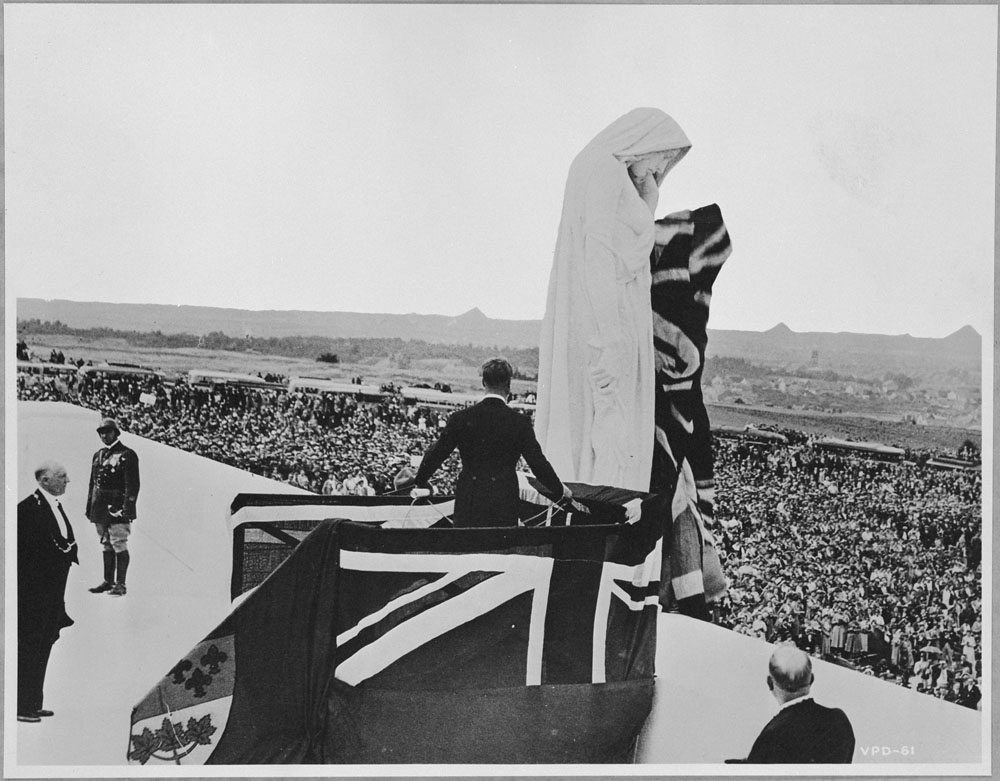
Vimy Ridge is remembered both for its tactical innovations and for its broader meanings. Militarily, the operation illustrated the effectiveness of careful planning, artillery-infantry coordination and extensive rehearsal. Politically and culturally, the battle has become an important symbol of national contribution and sacrifice for Canada; it is often cited as a moment when Canadian units fought together with a distinct identity on the international stage. The battlefield later became the site of a major memorial and cemeteries to commemorate those who died.
Key factors in the victory
- Thorough artillery preparation and the use of a timed creeping barrage.
- Detailed reconnaissance, mapping and rehearsals at unit level.
- Extensive use of trenches and tunnels to move and shelter troops before the attack.
- Close cooperation between infantry, artillery and engineers during and after the assault.
For further historical context and primary documents, readers can consult specialist histories and battlefield studies that examine the wider battle sequence at Arras and the role of Vimy within it. Accounts of the campaign are preserved in war museums and memorials near the site and in national collections. The Battle of Vimy Ridge remains a subject of study for military historians and a place of remembrance for the nations involved.
Additional resources and archives can be found via linked summaries and collections: overview, campaign studies, local history, regional context, German defences and Allied operations.
Tags
Related articles
Author
AlegsaOnline.com Battle of Vimy Ridge (1917) Leandro Alegsa
URL: https://en.alegsaonline.com/art/9584