
Tabby cat: coat patterns, origins, and common varieties
Tabby describes coat patterns in domestic cats — stripes, spots, swirls or ticking — not a breed. This article explains patterns, genetics, history, common breeds, and cultural notes.
Overview
“Tabby” denotes a pattern of markings on domestic cats rather than a specific breed. Tabby cats display combinations of stripes, dots, lines or swirls on their fur. Many tabbies show a distinctive mark on the forehead resembling the letter M. Because the tabby pattern is widespread among both pedigree and mixed-breed cats, tabbies are among the most common appearances in the global cat population.
Image gallery
10 Images



Patterns and characteristics
Scientists and breeders usually recognize several main tabby types. These are useful shorthand when describing a cat’s appearance:
- Mackerel: narrow, vertical stripes running down the sides like a fish skeleton.
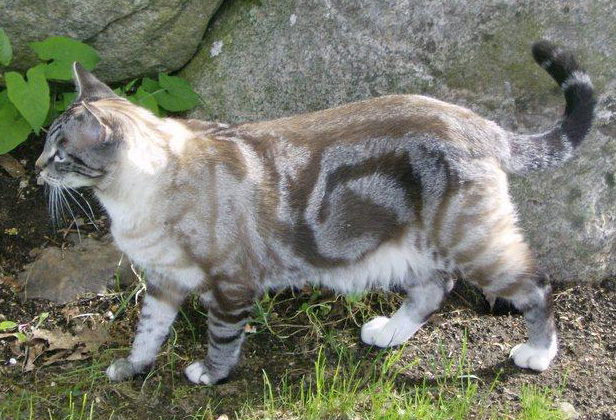
- Classic (blotched): broad, swirling stripes and bullseye-shaped markings on the flank.
- Spotted: rosettes or separate spots rather than continuous stripes.
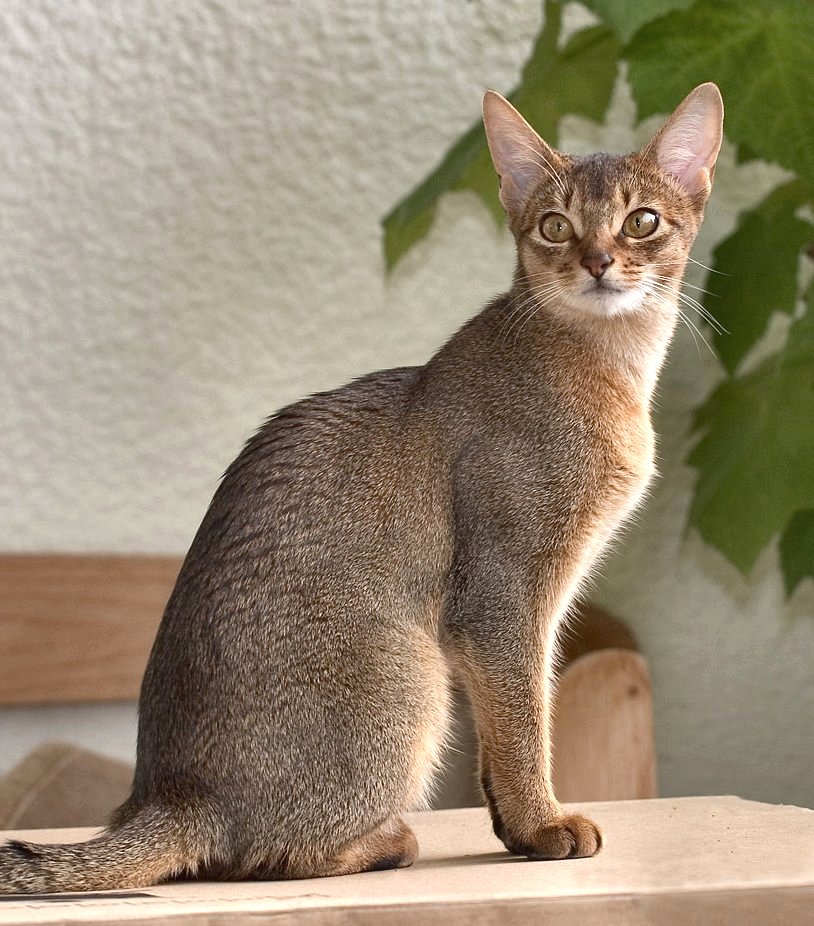
- Ticked: hairs banded with multiple colors producing an overall salt-and-pepper or agouti effect; Abyssinian-appearing cats often show this.
Tabby coloration occurs in a range of ground colors, from brown and gray to red (often called ginger or orange). Patterns may overlay or combine with other coat features, producing variations such as "tabby-point" in some colorpoint cats or the "torbie" (tortoiseshell-tabby) mix.
Genetic and evolutionary background
The tabby pattern arises from genes that control pigment distribution in individual hairs and across the coat. Ancestral wildcats, particularly the African wildcat, carry similar striping that likely provided camouflage in grassland habitats; domestic cats retain these inherited patterning mechanisms. For an introduction to the tabby motif and its genetics, see the entry on the tabby pattern and the species history of the African wildcat.
Breeds, prevalence and human significance
Many formal breeds permit tabby patterns, including, for example, the Maine Coon, American Shorthair, British Shorthair and Bengal, among others. Because the tabby pattern is ancestral and genetically common, it appears in a large proportion of mixed-breed cats as well. Culturally, tabby markings have inspired folklore and pet names; the forehead M has been the subject of legends in several regions.
Distinguishing tabby from other coat types
Important distinctions: tabby describes patterning (how color is arranged), while terms like "longhair" or "shorthaired" describe hair length, and breed names refer to lineage. A single breed may include tabby and non-tabby individuals. Understanding the tabby pattern helps owners and veterinarians identify normal variation versus skin or coat disorders unrelated to patterning.
Questions and answers
Q: What is a tabby cat?
A: A tabby cat is a domestic cat with a fur coat of stripes, dots, lines, or swirling patterns.
Q: What other names are tabby cats known as?
A: Tabby cats are also known as grey tiger or simply tabby.
Q: Do tabby cats belong to a specific cat breed?
A: No, tabby cats are not a cat breed.
Q: How common are tabby cats?
A: Tabby cats are very common, making up about two-thirds of the world's cat population.
Q: Can the tabby pattern be found in pure breeds of cats only?
A: No, the tabby pattern can be found in many pure breeds of cats as well as mixed breeds.
Q: What is the reason behind the tabby pattern?
A: The tabby pattern happens naturally because of cats' closest ancestor, the African Wildcat, which has the same colors and patterns.
Q: What is the typical marking found on a tabby cat's forehead?
A: Tabbies often have a mark that looks like the letter "M" on their foreheads.
Related articles
Author
AlegsaOnline.com Tabby cat: coat patterns, origins, and common varieties Leandro Alegsa
URL: https://en.alegsaonline.com/art/95790
Sources
- cats.about.com : "The Glorious Tabby: A Tribute to Tabby Cats in all Their Manifestations"
- fanciers.com : Cat Colors FAQ
- cats.animal-world.com : "Tabby Cat History"