
Zinc oxide (ZnO)
Zinc oxide (ZnO) is a white inorganic compound used as a pigment, UV absorber, semiconductor, and industrial additive; notable for amphoteric chemistry and broad commercial and medical uses.
Overview
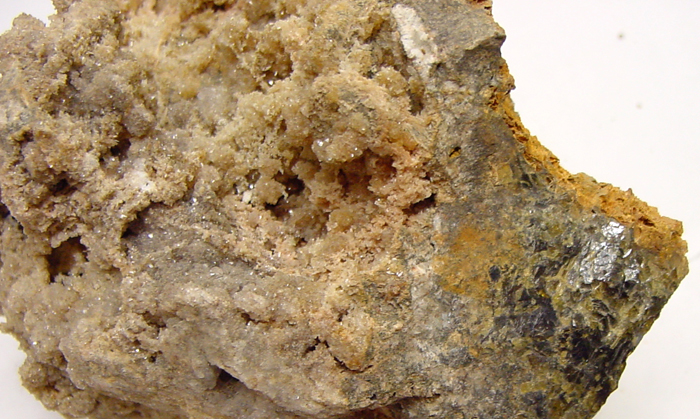
Zinc oxide is an inorganic chemical compound with the formula ZnO. In its pure form it is a white powder that occurs naturally as the mineral zincite. ZnO forms the basis of many commercial products because of its combination of optical, chemical and electronic properties.
Image gallery
7 Images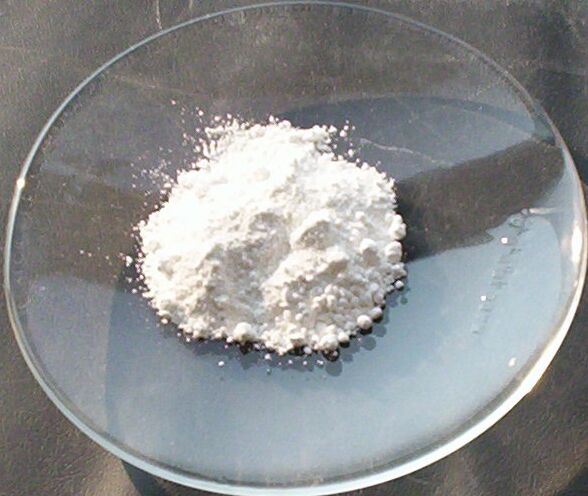




Properties and structure
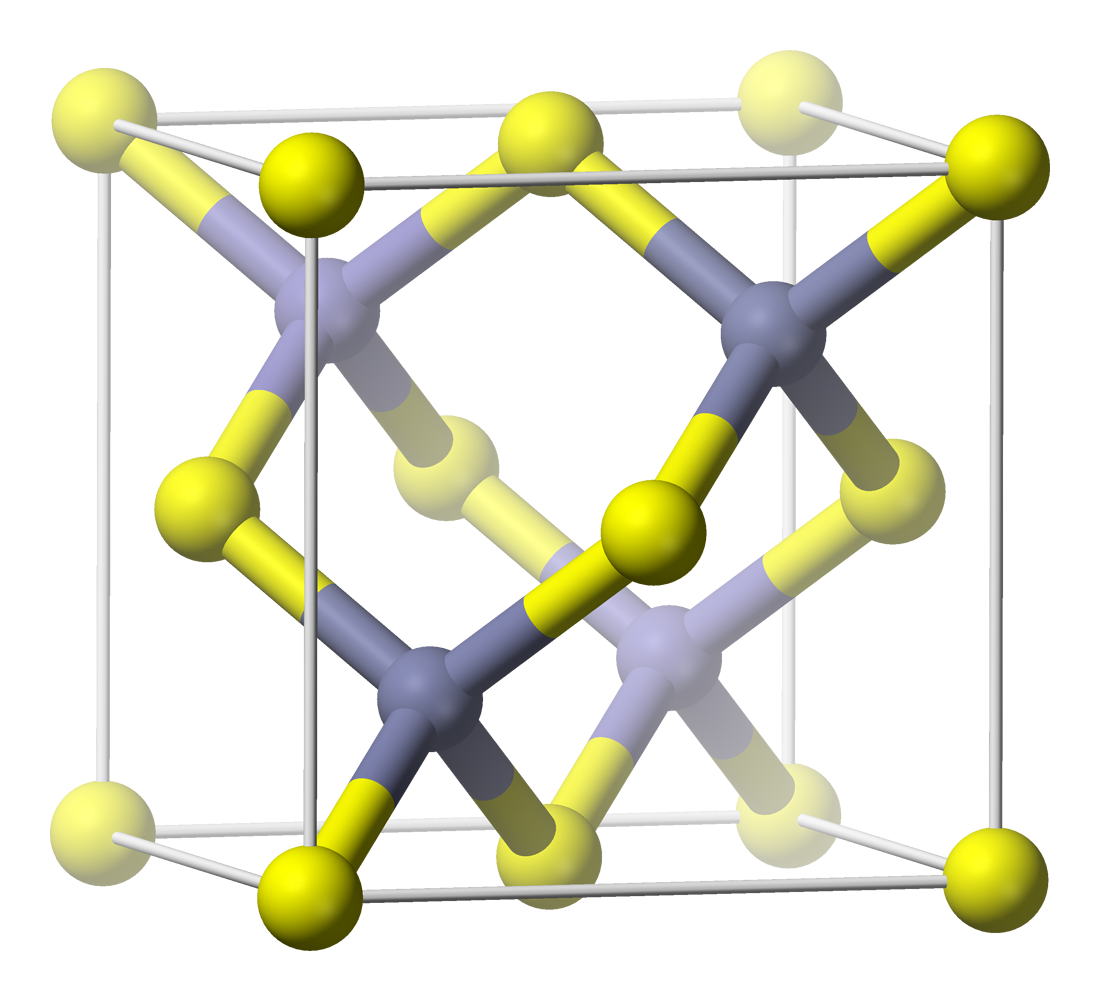
ZnO is amphoteric — it reacts with acids and bases — and is classified as a wide‑bandgap semiconductor. Its crystal lattice most commonly adopts the wurtzite (hexagonal) structure, although other polymorphs exist. The material has useful UV absorption and piezoelectric behavior, and it can be doped to alter electrical conductivity. The zinc component is the metallic element zinc, paired with oxide anions.
Occurrence and production
Natural zinc oxide appears as zincite, but most ZnO used industrially is manufactured from zinc ores or recycled zinc metal. Commercial routes include thermal oxidation of zinc vapor or chemical precipitations followed by calcination. The basic chemistry involves the conversion of metallic zinc or zinc salts to the stable oxide form, often tailored for particle size and surface chemistry.
Uses and applications
ZnO is versatile and widely applied across industries. Typical uses include:
- Personal care and cosmetics: as a UV filter and skin protectant in sunscreens and ointments.
- Rubber and plastics: as an activator and protective additive in vulcanization.
- Coatings and pigments: known as "zinc white" in paints and ceramics.
- Electronics and sensors: in varistors, transparent conductive films when doped, and gas sensors.
Safety, regulation and notable facts
Topically applied ZnO is generally regarded as safe for skin, but inhalation of fine powders or engineered nanoparticles can present health concerns and is regulated in occupational settings. ZnO is often compared with titanium dioxide as a white pigment and UV blocker; differences in optical behavior and surface chemistry guide material choice. Advances in doping and nanostructuring continue to expand ZnO's role in optoelectronics and oxide-based devices, and research into transparent conductive oxides often cites ZnO derivatives as promising materials for further development.
Related articles
Author
AlegsaOnline.com Zinc oxide (ZnO) Leandro Alegsa
URL: https://en.alegsaonline.com/art/110629