
Sun Zhengcai: political rise, roles in Chongqing and fall from power
Sun Zhengcai (b. 1963) was a senior Chinese Communist Party official who rose to the Politburo, served as party chief of Chongqing, and was investigated and convicted in 2017–2018 amid China's anti‑corruption campaign.
Sun Zhengcai (Chinese: 孙政才; born 25 September 1963) was a prominent Chinese politician and senior regional leader whose career culminated in membership of the Communist Party of China’s senior bodies before an abrupt fall from power in 2017. For several years Sun occupied high-profile administrative and party posts and was widely discussed in analyses of elite succession, until his removal, formal investigation and prosecution became a leading example of the anti‑corruption campaign that reshaped Chinese elite politics in the 2010s.
Image gallery
2 Images
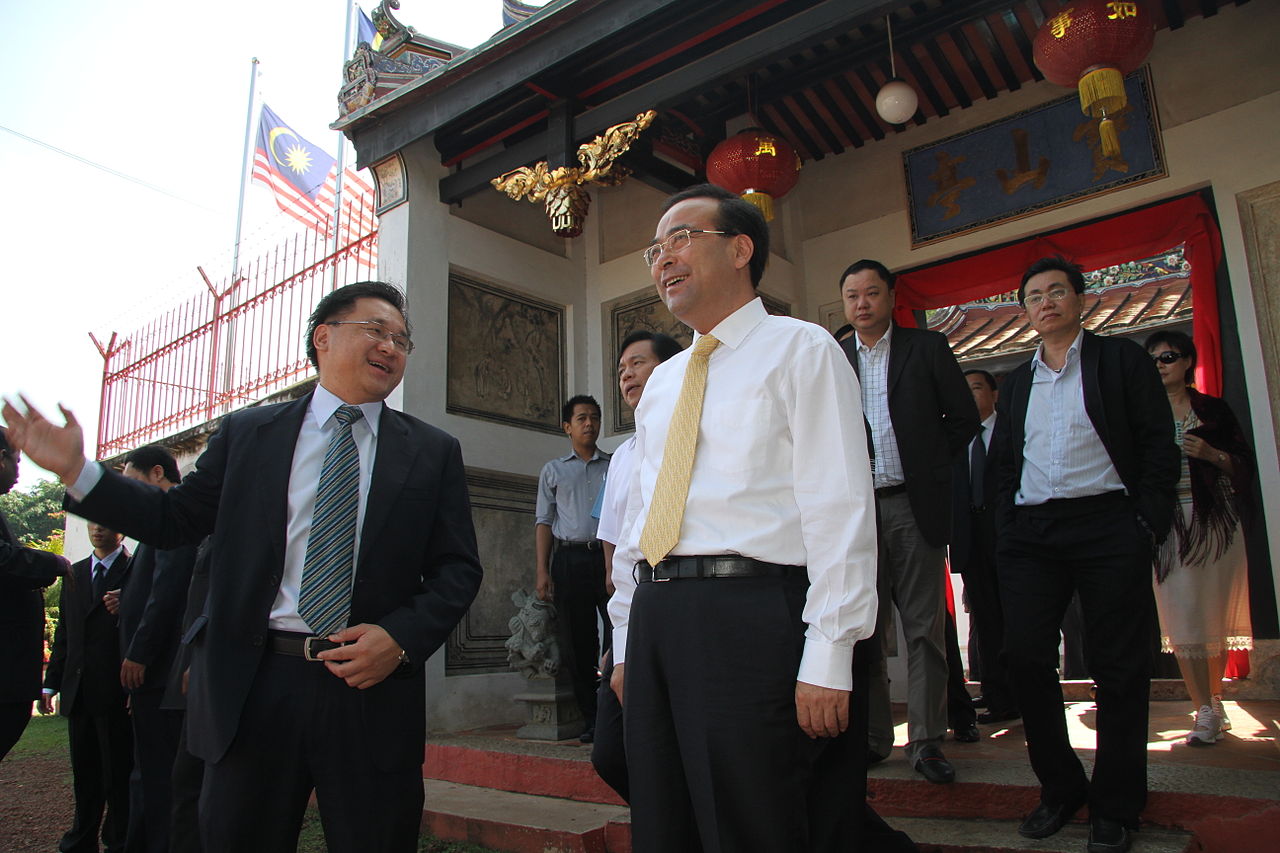
Early life and political advancement
Sun joined the Communist Party of China in July 1988 and built a career through party and government positions at provincial and central levels. Over the course of his advancement he served in central government ministries and then moved into provincial leadership. He was appointed to senior provincial posts, later becoming the Party Secretary of Jilin province, a northeastern jurisdiction with heavy industry and agricultural sectors. His steady rise reflected experience in both administrative and party work, a common pathway for officials who enter the national leadership ranks.
National roles and Chongqing appointment
Sun served in central government roles including a ministerial-level post before his promotion to provincial leadership. In November 2012 he was named Party Secretary of the interior municipality of Chongqing, one of China’s four direct-controlled municipalities, and was promoted to the party’s Politburo, the body that sits immediately below the Standing Committee. His elevation made him one of the youngest members of the 18th Politburo and, together with officials such as Hu Chunhua, he was often identified by analysts as part of the so-called sixth generation of leadership potential.
Role and responsibilities in Chongqing
As party secretary of Chongqing, Sun oversaw a jurisdiction with a very large population, significant industrial output and strategic importance for inland economic development. The post combines oversight of economic policy, social and urban planning, and public security matters. Leadership of a direct-controlled municipality is regarded as a major ladder to national office, and holders of such posts are routinely assessed for competence in managing large bureaucracies and complex regional challenges.
Investigation, disciplinary action and prosecution
Sun’s public career ended abruptly in mid-2017. On 14 July 2017 he was removed from his Chongqing post and placed under party investigation. The Central Commission for Discipline Inspection (CCDI), the Communist Party’s disciplinary body, announced that Sun had violated party discipline. Official notices on 24 July said he breached rules of the party, and on 29 September 2017 he was expelled from the party and dismissed from public office. Formal criminal charges were brought by state prosecutors; court documents and state media reported charges including taking bribes and abusing power. In May 2018 Sun was tried, convicted and given a life sentence. The case was processed through the party’s disciplinary system followed by the state judicial system, a pattern seen in other high-profile investigations during the same period.
Political context and implications
Sun’s removal had several political implications. It eliminated a visible contender from discussions about future leadership transition and demonstrated the reach of the anti‑corruption campaign that began in the early years of Xi Jinping’s leadership. Analysts have observed that disciplinary campaigns under the current leadership have both targeted corruption and affected factional balancing inside the party, tightening central authority. Because most public information on the case comes from official statements and state media, independent verification of internal motives or factional dynamics is limited; commentary therefore often emphasizes the opacity of elite politics and the role of party procedures in dealing with alleged misconduct.
Legacy and assessment
Sun Zhengcai’s rise and fall are cited in discussions of how political careers are built within the party system and how accountability and discipline are enforced. His trajectory—from ministerial roles to provincial leadership, to the Politburo, followed by investigation and conviction—illustrates how quickly political fortunes can change in a system where party discipline and centralized authority play decisive roles. The case also fed broader debate about governance reform, the aims of the anti‑corruption campaign, and the selection and promotion of officials in contemporary China.
Timeline and key facts
- Born: 25 September 1963.
- Party membership: Joined the Communist Party in July 1988.
- Major positions held: ministerial-level roles in central government; Party Secretary of Jilin; Party Secretary of Chongqing; member of the 18th Politburo.
- Removal and investigation: Removed from Chongqing post on 14 July 2017; party disciplinary notice issued 24 July 2017.
- Expulsion and prosecution: Expelled from the party and dismissed from public office on 29 September 2017; tried and sentenced to life imprisonment in May 2018.
- Political context: Considered a rising figure of the so‑called sixth generation of leaders alongside peers such as Hu Chunhua, before political developments under Xi Jinping altered succession expectations.
Because the available public record is heavily derived from official announcements, independent detail about internal deliberations or undisclosed aspects of the investigation is limited. For overviews of party structures, procedures for discipline and the patterns of elite transition in China, consult official biographies and analytical work by established research organizations and reputable news sources (reference, language, regional, provincial, peer, leadership).
Note: This article emphasizes broadly reported facts and cautious interpretation of events where public records are official or limited in scope.
Related articles
Author
AlegsaOnline.com Sun Zhengcai: political rise, roles in Chongqing and fall from power Leandro Alegsa
URL: https://en.alegsaonline.com/art/94859
Sources
- channelnewsasia.com : "Commentary: Removal of rising political star reveals murky nature of Chinese elite politics"
- nytimes.com : "Chinese Communists, New Leaders Chosen, Prepare for Next Round"
- nytimes.com : "From Political Star to 'a Sacrificial Object' in China"
- scmp.com : "Life in prison for the man once tipped to replace Xi Jinping"