
Xi Jinping: China's paramount leader and General Secretary
Xi Jinping (born 15 June 1953) is a Chinese politician who serves as General Secretary of the Communist Party, President of the PRC, and Chairman of the Central Military Commission.
Overview
Xi Jinping (born 15 June 1953) is a Chinese political leader who holds the top offices of the state and party in the People's Republic of China. In most formal descriptions he is identified as the country's paramount leader because he simultaneously serves as General Secretary of the Communist Party of China, President of the PRC, and Chairman of the Central Military Commission. The Chinese ordering of names places the family name first; in this case the family name is Xi, and further discussion of naming conventions can be found at Chinese naming conventions and romanization of Chinese names.
Image gallery
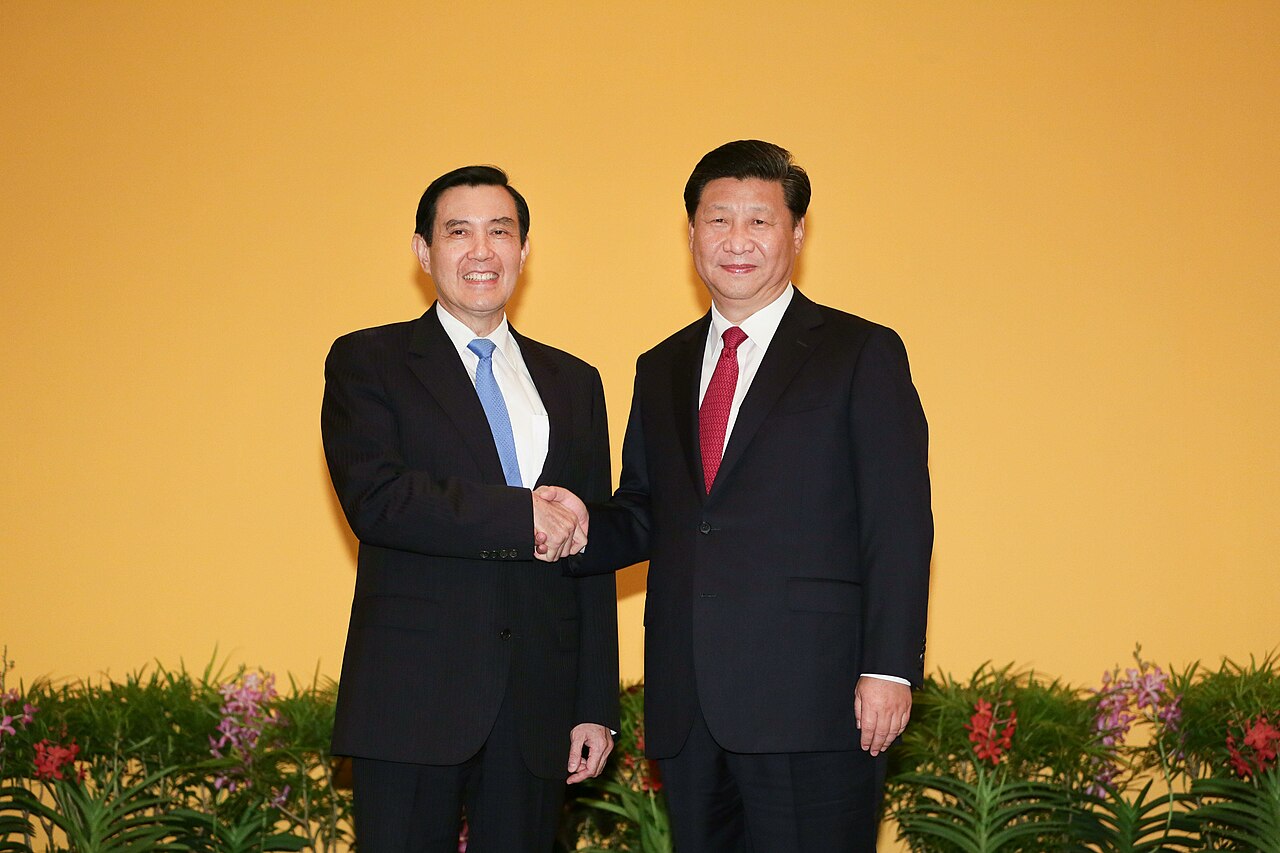
10 Images



Positions and responsibilities
As General Secretary, Xi is the foremost leader within the Communist Party and a member of its Politburo Standing Committee, the small executive body that guides major policy decisions. As head of state he performs diplomatic and ceremonial functions but also influences government policy. As chairman of the Central Military Commission he is the highest authority over China's armed forces. Key offices often cited together include:
- General Secretary of the Communist Party (party leadership)
- President of the People's Republic of China (state office)
- Chairman of the Central Military Commission (military leadership)
- Member of the Politburo Standing Committee (top decision-making body)
Background and political rise
Born into a revolutionary family, Xi spent part of his youth during China's Cultural Revolution, a formative experience shared by many leaders of his generation. He studied at university and later held a series of regional and provincial posts, including work in several coastal and inland provinces. Over decades of party service he moved from local administration to national leadership through senior provincial positions and roles within the central party apparatus.
Policies, ideology and priorities
Xi's tenure has been associated with several prominent initiatives: an extensive anti-corruption campaign affecting officials at many levels; efforts to recentralize authority within the party and strengthen party discipline; and major economic and diplomatic programs such as infrastructure and investment initiatives abroad. Political analysts also note the elevation of "Xi Jinping Thought" into the party's guiding doctrine, reflecting the formal inclusion of his policy priorities into the party constitution.
Domestic and international impact
Domestically, Xi's leadership has emphasized social stability, state-led development, and tighter party control over institutions. Internationally, Chinese foreign and economic policy under his leadership has become more assertive in some areas, with expanded roles for China in global institutions and regionally significant projects. Observers often point to military modernization and efforts to shape global governance as notable trends during his time in office.
Notable facts and distinctions
Xi is widely regarded by scholars and analysts as a centralizing figure in contemporary Chinese politics and, according to many commentators, among the most influential Chinese leaders since the late 20th century. His long-term influence is reflected in the prominence of his policies within party doctrine and in institutional reforms enacted under his leadership. For further reading and context, consult sources on Chinese leadership, party structure, and contemporary Chinese policy here and here.
Author
AlegsaOnline.com Xi Jinping: China's paramount leader and General Secretary Leandro Alegsa
URL: https://en.alegsaonline.com/art/133120