
Summer of Love (1967): Haight‑Ashbury and the Flower Children
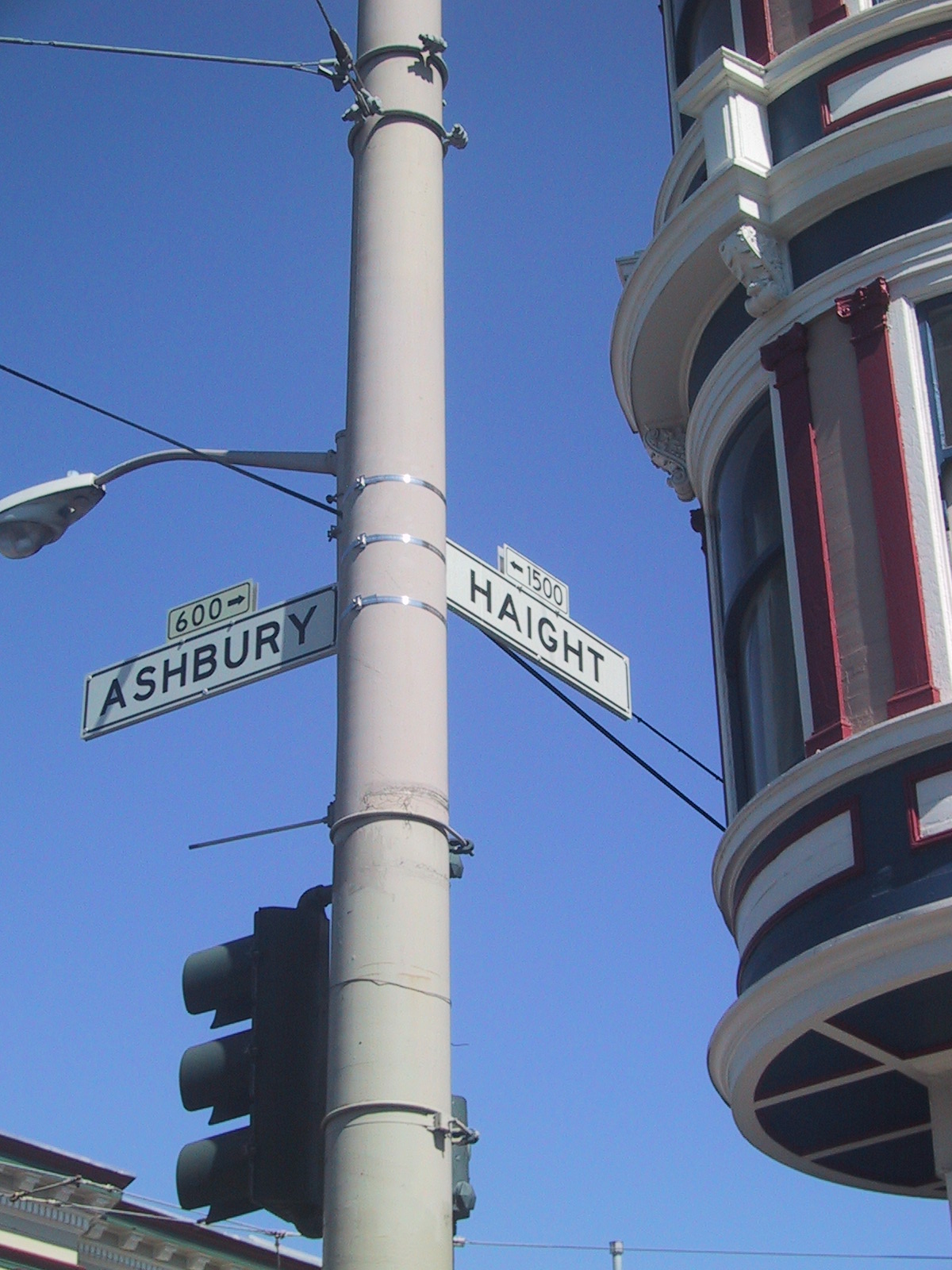
The Summer of Love was the summer of 1967 centered in San Francisco's Haight‑Ashbury that drew tens of thousands of young people and shaped music, fashion, political protest, and youth culture worldwide.
Overview
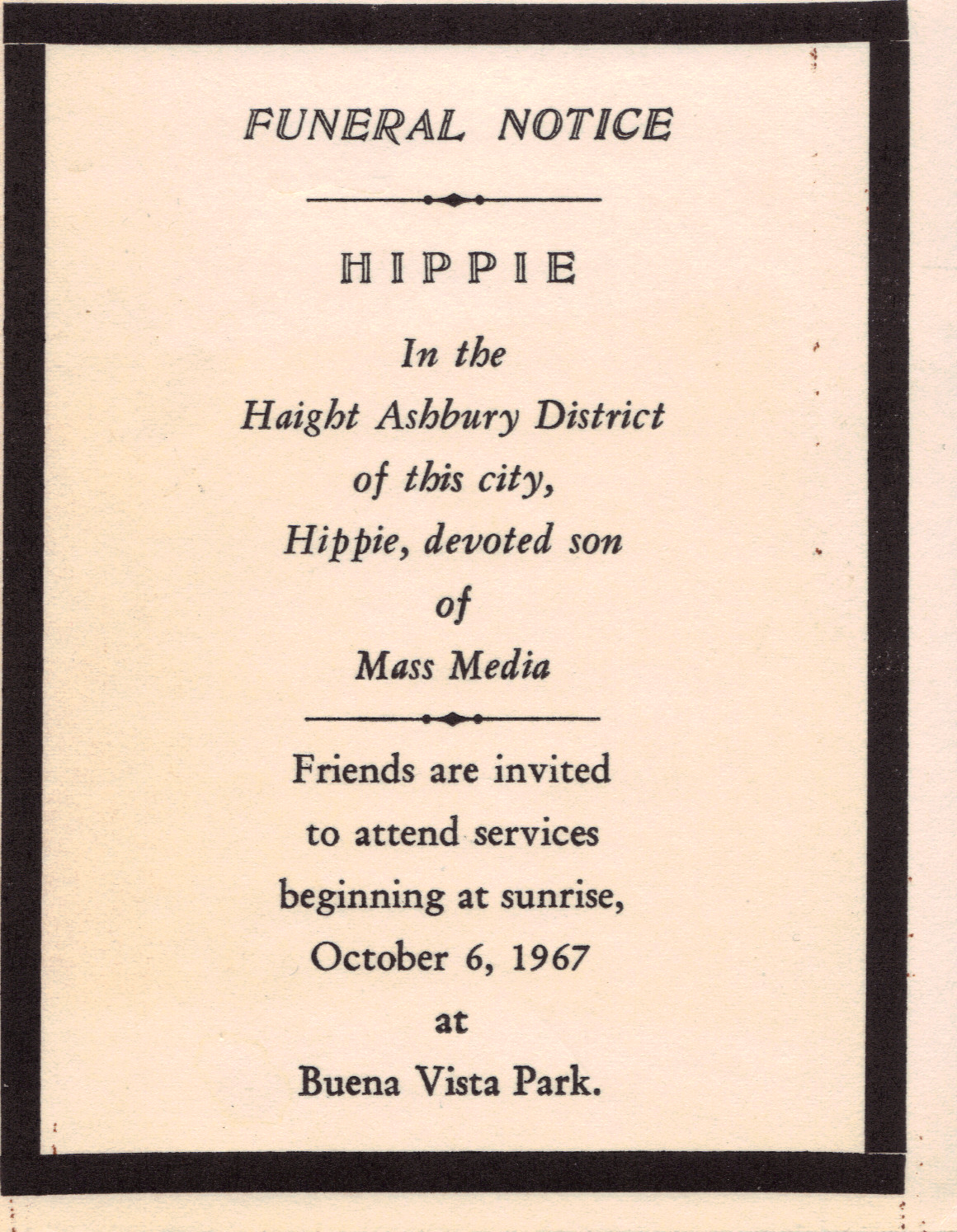
The phrase "Summer of Love" describes the concentrated cultural moment of the summer of 1967 when large numbers of young people — often called "flower children" or hippies — gathered in San Francisco's Haight‑Ashbury neighborhood and nearby communities. This influx brought broad public attention to a countercultural lifestyle that emphasized peace, communal living, artistic experimentation, and alternative social values. Media coverage amplified the image of a youthful, optimistic movement even as participants and residents faced practical problems related to housing, sanitation, and policing.
Image gallery
7 Images



Origins and context
The Summer of Love grew out of earlier 1960s trends: beat generation influences, folk and electric rock scenes, civil rights activism, and rising opposition to the Vietnam War. A widely cited precursor was the "Human Be‑In," a mass gathering held in San Francisco's Golden Gate Park in January 1967. That event helped bring together disparate groups — poets, musicians, political activists, and spiritual seekers — and signaled a new, more public phase of youth counterculture.
Where it happened and who came
While Haight‑Ashbury was the symbolic center, the phenomenon extended to Berkeley, the broader Bay Area, and other cities across the United States and abroad as participants returned home. Estimates of attendance vary; some contemporaries and later observers suggested that as many as 100,000 people converged on San Francisco and surrounding neighborhoods during the summer months. Young people arrived from across the U.S. and from other countries, bringing diverse backgrounds and motivations but sharing interest in alternative lifestyles and cultural experimentation.
Cultural practices and daily life
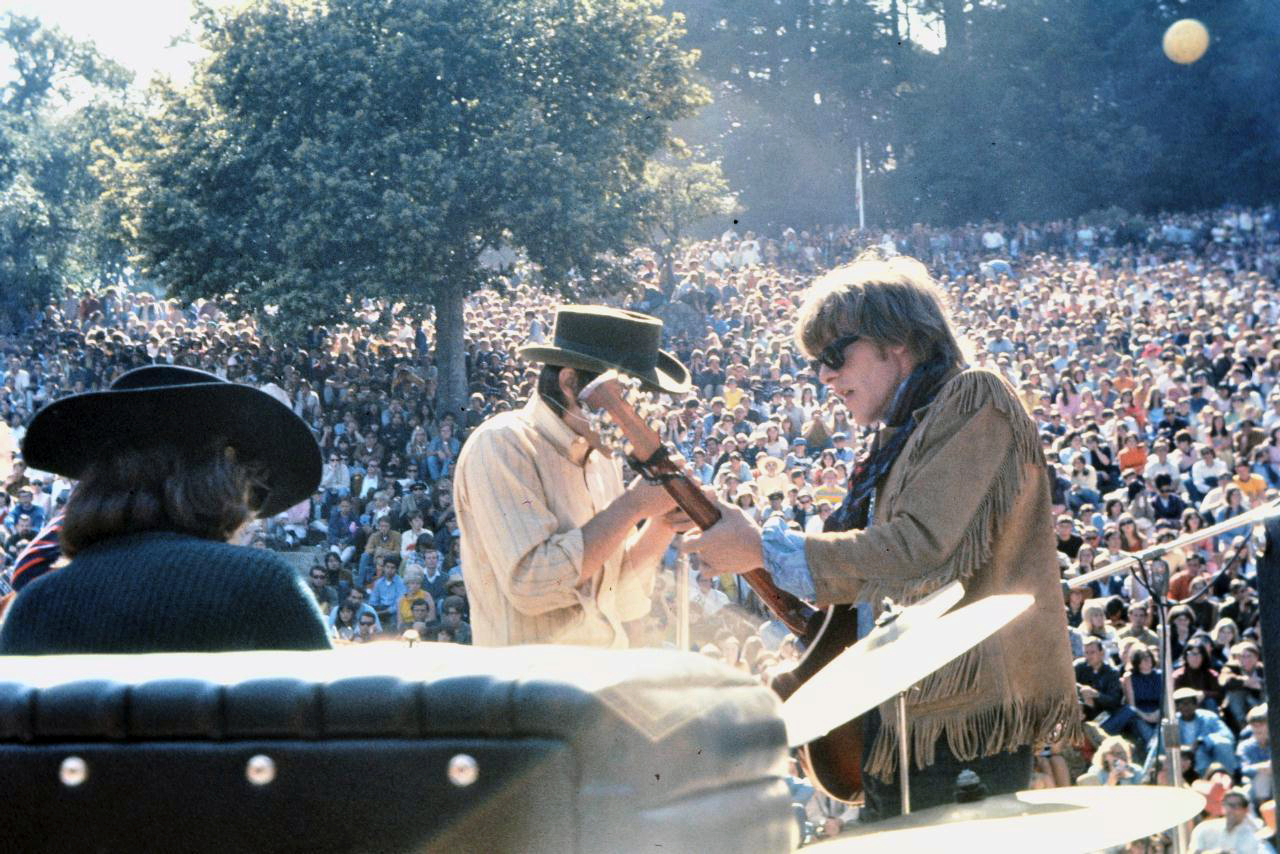
- Music: Live performances, free concerts, and the rise of psychedelic and folk‑rock styles were central. Bay Area bands and performers played a prominent role in shaping the sound associated with the era.
- Fashion and symbolism: Colorful, nonconformist dress, flowers worn as accessories, and peace symbols became public markers of identity.
- Communal living: Informal communal households, shared meals, and cooperative exchanges were common as young people sought alternatives to conventional family and work structures.
- Spiritual exploration: Interest in Eastern religions, meditation, and new forms of personal spirituality influenced many participants.
- Psychedelics and consciousness: The experimental use of substances such as LSD influenced artistic expression and personal beliefs, while also raising public-health and legal concerns.
Events and public attention
Large gatherings, street fairs, and impromptu performances drew attention from national news media, which both celebrated and sensationalized the scene. The visibility of the movement helped spread its cultural markers — music, fashion, and rhetoric — to other cities when visitors returned home. At the same time the surge in visitors strained local services and prompted debates over law enforcement, public health, and municipal policy.
Criticism and challenges
Observers and local residents raised concerns about overcrowding, drug use, crime, and sanitation. Some commentators argued the media portrayal downplayed the hardships faced by participants and neighborhood residents. Others criticized the commercialization that followed: as elements of the look and sound were adopted by the mainstream, some original participants felt their ideals had been co‑opted by consumer culture.
Influence and legacy
Although the concentrated season of 1967 lasted months rather than years, its influence persisted. Musically, visual design and recorded works from the period shaped popular music and poster art. Politically and socially, ideas about communal living, environmental awareness, and alternative education found later expression in diverse social movements. The Summer of Love also helped lay cultural groundwork for later festivals and youth movements by demonstrating how music, art, and shared values could mobilize large, cross‑regional audiences.
Further reading and resources
For archival material, oral histories, and multimedia accounts from the period see collections and retrospectives: regional archives and collections, music and cultural timelines, oral histories and interviews, visual and poster art collections, and scholarly overviews. These resources offer firsthand accounts and analysis of the movement's social, cultural, and political dimensions.
The Summer of Love remains a widely referenced moment in 20th‑century cultural history: a mix of idealism, artistic innovation, and real‑world difficulties that together helped reshape attitudes toward youth, protest, and cultural possibility.
Related articles
Author
AlegsaOnline.com Summer of Love (1967): Haight‑Ashbury and the Flower Children Leandro Alegsa
URL: https://en.alegsaonline.com/art/94783
Sources
- observer.guardian.co.uk : "Love and Haight"