
Swan River Colony: early settlement and origins of Western Australia
The Swan River Colony was the British settlement established on the Swan River that became the nucleus of Western Australia. This article outlines its founding, land policies, Indigenous impact, and legacy.
Overview
The Swan River Colony was the name given to the British settlement established on the banks of the Swan River in what is now Western Australia. Founded as a colony by agents of the British world, it served as the focal point for early European occupation of the western edge of the continent. The title "Swan River Colony" was commonly used for the first years of the settlement and continued in popular use even after official names evolved.
Image gallery
5 Images



Founding and leading figures
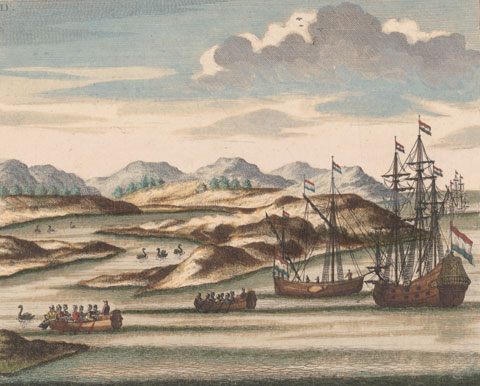
The enterprise combined public and private interests. Military and administrative leadership associated with James Stirling helped select and secure the site, while private investors and promoters — most notably Thomas Peel — sought to attract settlers and capital. Settlements were established at the river mouth and inland locations, which later developed into towns and ports that remain central to the region.
Land policy, settlers and early challenges
The colony was promoted on the basis of land grants and agricultural opportunity. A grant-based system aimed to encourage migration by allotting parcels in return for shipping families and labour. Many settlers found the realities harsher than promised: soils varied in fertility, supply lines were long and unreliable, and isolation from other colonies made life precarious for newcomers. Some early ventures failed or were slower to prosper than promoters had forecast.
Indigenous peoples and frontier impact
The area of settlement was home to Aboriginal groups whose long-established lifeways were disrupted by the arrival of Europeans. Encounters ranged from trade and cautious cooperation to dispute and dispossession. The expansion of farms and grazing, loss of access to traditional resources, introduced disease and episodic violence all contributed to deep and lasting changes for the original inhabitants.
Development, renaming and later course
Though the phrase "Swan River Colony" was used for the early settlement era, official usage shifted toward the name of the wider territory as administrative institutions formed. Over time the settlement grew into established towns and regional trade developed — agriculture, pastoralism and maritime activities became important. Later decisions, including measures to secure labour and support growth, altered the colony's character as it moved toward the forms recognized in subsequent decades.
Legacy and distinctions
The Swan River Colony is historically significant as the foundation of modern Western Australia. It exemplifies a pattern of nineteenth-century colonial expansion: mixed public and private sponsorship, rapid promotional rhetoric followed by hard practical realities, and profound impact on Indigenous societies. The term now usually denotes the early settlement phase rather than the mature polity that followed.
- Foundation: early European settlement on the Swan River.
- Promoters: combination of military leadership and private investors.
- Consequences: urban origins, agricultural attempts, and Indigenous dispossession.
For related topics and source introductions, see general entries on the British colonial system, early Australian settlements and the history of Western Australia. Further reading can explore biographies of figures such as Thomas Peel and administrative records from the period of the colony.
Related articles
Author
AlegsaOnline.com Swan River Colony: early settlement and origins of Western Australia Leandro Alegsa
URL: https://en.alegsaonline.com/art/95423