
Tahirid dynasty
A Persian Sunni dynasty that governed the Abbasid province of Khorasan in the 9th century (c. 821–873), notable for semi‑autonomous rule from Merv and Nishapur and for enabling the rise of regional Iranian dynasties.
The Tahirid dynasty was a Persian family that exercised effective control over the northeastern province of the Abbasid Caliphate in the early ninth century. Its founder, Tahir ibn Husayn, was a military commander whose support helped Caliph al‑Ma'mun prevail in the civil war of the 810s. In recognition of his service he was appointed governor of Khorasan, where the Tahirids established a hereditary line of provincial rulers while continuing to acknowledge the suzerainty of the Abbasid caliphs.
Image gallery
10 Images


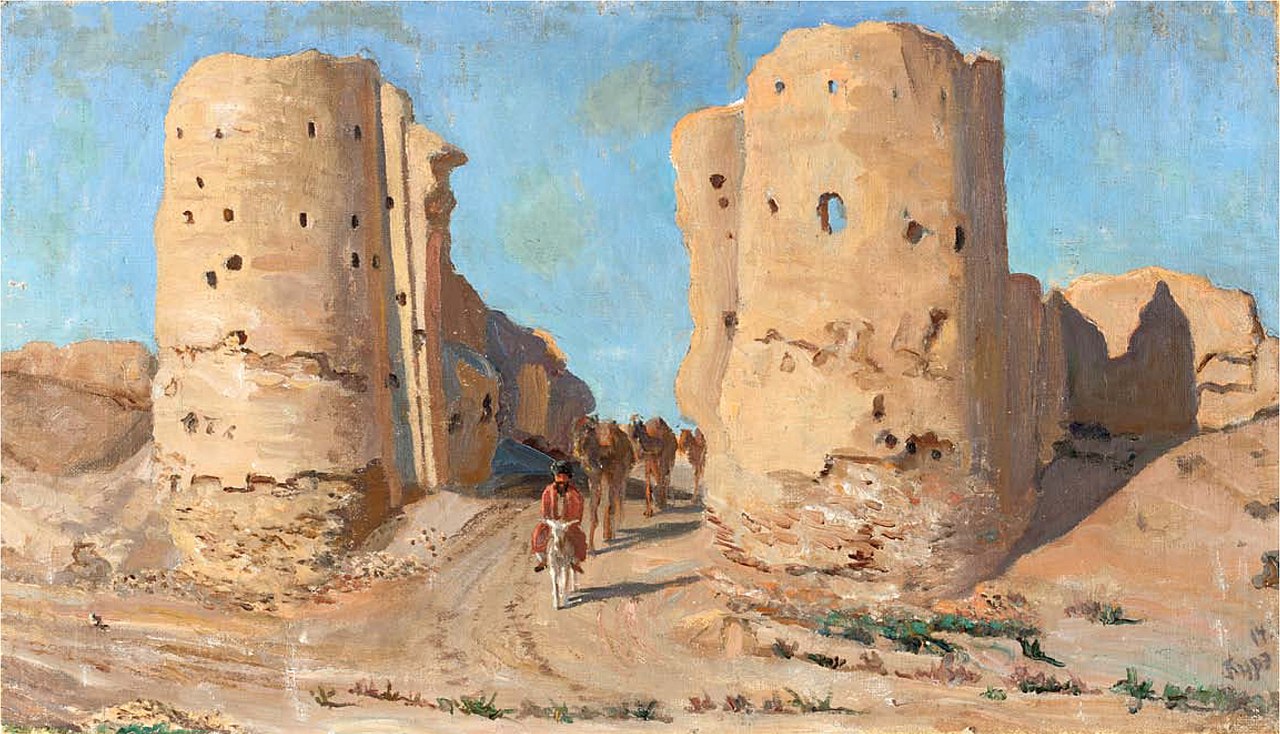


Identity and administration
The dynasty has been described in sources as Persian in origin and Sunni in religious affiliation; it governed as part of the broader Islamic polity of the period. The Tahirids combined military leadership with civil administration, retaining many elements of Abbasid bureaucratic practice but exercising local autonomy. Their rule centered first at Merv and later at Nishapur, two important cities on trade and communication routes across northeastern Iran and Central Asia.
Historical development
Tahir ibn Husayn’s appointment around 821 marked the start of Tahirid authority in Khorasan. The family governed the province for several decades, maintaining formal loyalty to the caliph in Baghdad while managing local affairs, collecting taxes, and commanding armies. Contemporary and later chronicles note Tahirid involvement in court politics and occasional presence in the capital; some members of the family had ties and influence in Baghdad during the ninth century.
Decline and succession
By the mid‑9th century the balance of power in Iran and its borderlands was shifting: emerging regional leaders challenged Tahirid authority. The dynasty’s effective control of Khorasan ended in the 870s when stronger local powers displaced them. Their replacement signalled a broader trend of provincial dynasties asserting independence from the central Abbasid government, restructuring political authority across eastern Iran and nearby regions.
Legacy and significance
The Tahirids are often cited as a key transitional force between direct caliphal provincial rule and a landscape of semi‑independent, often Persianate, regional dynasties. Their administration demonstrates how military leaders appointed by the caliph could evolve into hereditary governors with distinct regional bases. Culturally and administratively they helped sustain urban centers and trade routes, and their period of rule set precedents followed by later Iranian dynasties.
- Founder: Tahir ibn Husayn, appointed governor by Caliph al‑Ma'mun.
- Territorial base: the province of Khorasan, with capitals at Merv and Nishapur.
- Relation to Abbasids: nominal allegiance to the Caliphate in Baghdad, local autonomy in practice.
For further reading, consult specialist works on early Abbasid provincial administration and on the political history of ninth‑century Iran. Short reference entries and academic surveys provide overviews of the Tahirids’ role in the transformation of caliphal authority and the rise of regional powers in the Islamic world of the time. See also sources discussing Persian language use and regional dynastic formation in the early medieval Islamic period (Persian name and script).
Related articles
Author
AlegsaOnline.com Tahirid dynasty Leandro Alegsa
URL: https://en.alegsaonline.com/art/95901