
Berkeley, California: City, University, and Cultural Center
Berkeley, on California's East Bay, is known for the University of California, political activism, vibrant arts and food scenes, scientific research and community-driven innovation.
Overview
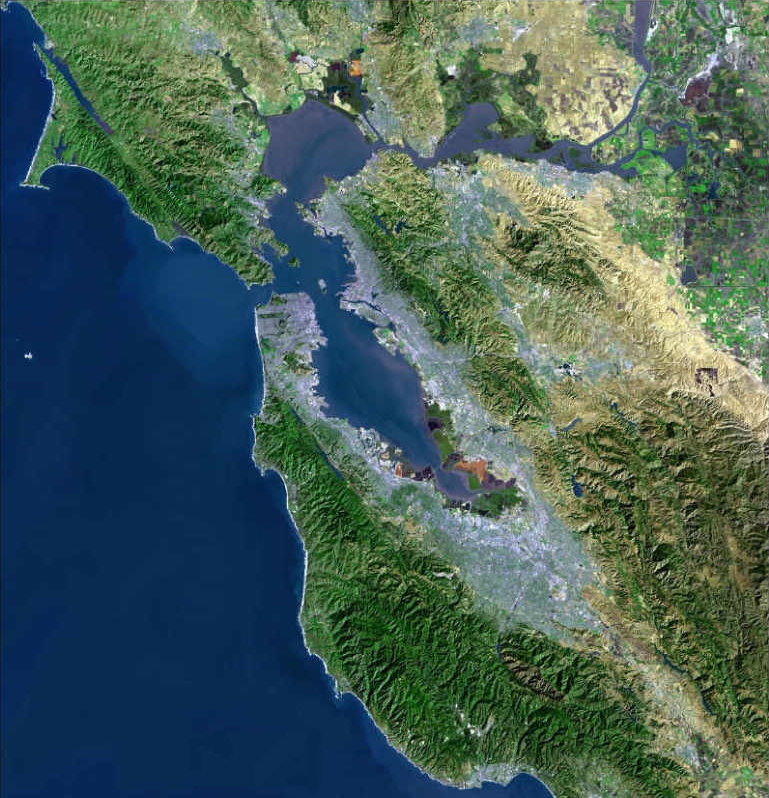
California's city of Berkeley sits on the eastern shore of the San Francisco Bay and is part of the broader San Francisco Bay Area. Long identified with higher education, civic engagement and progressive politics, Berkeley combines residential neighborhoods, commercial corridors, research institutions and public parks. The city's identity is shaped by students, faculty, long-term residents and a strong tradition of community organizing.
Image gallery
10 Images


Geography and climate
Berkeley's setting along the bay provides varied terrain from low-lying shoreline to hills with scenic views. The climate is generally Mediterranean in character, with mild, wet winters and dry, warm summers moderated by ocean breezes. Because of its varied topography, neighborhoods can experience different microclimates and vegetation.
University and academic life
The University of California, Berkeley anchors much of the city's intellectual and cultural life. The university's campuses host research centers, libraries, museums and performance venues that serve both scholars and the public. Academic events, public lectures, and collaborations with local institutions contribute to a lively exchange between town and gown; many local businesses and cultural organizations cater to the campus community (UC Berkeley).
History and activism
Berkeley became nationally prominent in the mid-20th century as a center of student protest and political debate. Movements for free speech, civil rights and antiwar activism left a lasting imprint on local culture and on broader social movements. That legacy continues in contemporary civic action, advocacy groups and grassroots projects addressing housing, environmental policy and social justice.
Culture, arts and cuisine
The city supports a vibrant arts scene that includes galleries, theaters, music venues and community arts programs. Berkeley's culinary reputation spans long-standing eateries, innovative restaurants and farmers' markets that emphasize local and sustainable food. The local music scene has produced nationally known acts; for example, the punk band Green Day has ties to the area's musical community.
Economy and innovation
Berkeley's economy blends education- and research-related activity with independent retail, professional services and technology-oriented enterprises. Several research initiatives and community-driven projects have had wide influence; one example developed at the university is the Berkeley Open Infrastructure for Network Computing (BOINC), a platform for distributed scientific computing.
Parks, landmarks and neighborhoods
The city features municipal parks, waterfront promenades and hilltop open spaces that offer recreation and views of the bay. Distinct neighborhoods provide diverse housing, commercial streets and historic districts. These areas are focal points for local festivals, cultural events and neighborhood associations.
Transportation and accessibility
As part of the Bay Area, Berkeley is served by regional transit, local buses and bicycle infrastructure that support commuting and travel across the region. Pedestrian-friendly corridors and nearby transit hubs connect residents to employment centers and cultural destinations throughout the Bay Area.
Governance and community
Local government and community organizations in Berkeley frequently engage in planning and public-policy initiatives emphasizing sustainability, affordable housing and inclusive public services. A strong tradition of civic participation is reflected in volunteer groups, neighborhood councils and public forums.
Further reading and resources
- Region: San Francisco Bay Area
- State: California
- Major institution: University of California, Berkeley
- Notable project: BOINC
- Music and culture: Green Day
For authoritative histories, demographic information and current municipal plans, consult official city and university publications and local archives. Community organizations, cultural institutions and public libraries are also valuable sources for deeper research and contemporary perspectives.
Related articles
Author
AlegsaOnline.com Berkeley, California: City, University, and Cultural Center Leandro Alegsa
URL: https://en.alegsaonline.com/art/10719
Sources
- commons.wikimedia.org : Berkeley, California
- ci.berkeley.ca.us : "Structure of Berkeley Government"
- calafco.org : "California Cities by Incorporation Date" · web.archive.org
- cityofberkeley.info : "Elected Officials Home"
- senate.ca.gov : "Senators"
- assembly.ca.gov : "Members Assembly"
- govtrack.us : "California's 13th Congressional District - Representatives & District Map"
- www2.census.gov : "2016 U.S. Gazetteer Files"
- geonames.usgs.gov : "Berkeley"
- census.gov : "Using 2015 American Community Survey 1-Year Estimates for population estimates"
- tools.usps.com : "ZIP Code(tm) Lookup"