
Suomenlinna: the sea fortress of Helsinki
Suomenlinna is an 18th‑century sea fortress built across six islands near Helsinki. A UNESCO World Heritage site, it combines military architecture, living neighborhoods and museums.
Overview
Suomenlinna, historically known as Viapori in Finnish and Sveaborg in Swedish, is a maritime stronghold located just offshore from Helsinki. The complex occupies a group of six islands in the Baltic sea and is among Finland's best‑known cultural landmarks. It began life as a coastal fortress and today functions as both a historic site and a small residential community.
Image gallery
10 Images

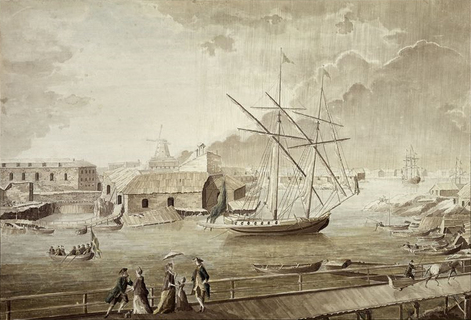


Design and principal elements
The fortress was conceived as a layered defensive system of bastions, ramparts, dry docks and sea‑facing batteries. Its terrain includes fortified outer islands, inner courtyards, tunnels and ship repair facilities. Notable features that visitors often see are ceremonial gates, old barracks converted into museums and living quarters, and naval infrastructure originally intended for military ships.
History and development
Construction began in 1748 while Finland was part of the Kingdom of Sweden; the project was driven by strategic rivalry with Russia and the need to protect regional shipping lanes. The fortress was designed and championed by military engineers of the Swedish crown. In the upheavals of the early 19th century, the site changed hands and was strengthened under Russian rule. When Finland declared independence in 1917–1918, Viapori was transferred to Finnish control and was renamed Suomenlinna ("Castle of Finland"). The islands later hosted a naval training academy and other military institutions, including a period when parts of the site served as a prison.
Uses, conservation and present life
After military uses diminished, Suomenlinna evolved into a mixed historic and residential district. It houses museums, cultural organizations and about 850 residents who live in renovated barracks and cottages. Some buildings continue to interpret the site's naval past, such as a maritime museum and restored dry docks; others provide cafés, artist studios and limited municipal services. The site has also been recognized for its cultural value: it was inscribed on the UNESCO World Heritage List for its testimony to European military architecture and for illustrating changing coastal defense strategies.
Visiting and significance
Suomenlinna is a short ferry journey from central Helsinki and is accessible year‑round by scheduled boats. Visitors can explore walking routes, guided tours and several museums, or simply enjoy waterfront views and picnic spots. The fortress provides a visible link among Swedish, Finnish and Russian layers of history and is often cited as illustrating how military sites can be adapted for peaceful civic purposes.
Notable facts and distinctions
- Founded in the mid‑18th century as part of Swedish defenses; construction is commonly dated to 1748 (construction start).
- Renamed after Finnish independence and reoriented toward national use, including a naval school.
- Today it is both a UNESCO site and a living neighborhood within Finland, illustrating layered military, social and urban histories.
Suomenlinna remains a striking example of coastal fortification adapted to modern civic life: an island complex where architecture, landscape and community combine to preserve and reinterpret more than two centuries of northern European history.
Questions and answers
Q: What is Suomenlinna?
A: Suomenlinna is a fortress located on six islands in the sea near Helsinki.
Q: When did construction of Suomenlinna start?
A: Construction of Suomenlinna started in 1748 when Finland was still part of the Kingdom of Sweden.
Q: Why did Sweden build Suomenlinna?
A: Sweden wanted to defend the sea areas against Russia and needed a place to fix their military ships.
Q: When did Russia control Finland?
A: Russia controlled Finland in 1808.
Q: Why did Russia strengthen Suomenlinna?
A: Russia made Suomenlinna stronger to defend Helsinki, which was now the capital of Finland.
Q: When did Finland become independent?
A: Finland became independent in 1917.
Q: What is Suomenlinna today?
A: Suomenlinna is one of Finland's most popular tourist attractions, a UNESCO World Heritage site, and a living part of Helsinki city with around 850 people living there.
Related articles
Author
AlegsaOnline.com Suomenlinna: the sea fortress of Helsinki Leandro Alegsa
URL: https://en.alegsaonline.com/art/94937
Sources
- suomenlinna.fi : "Fortress and history"
- whc.unesco.org : "Fortress of Suomenlinna"
- visitfinland.com : "Suomenlinna - The Sea Fortress"