
Sula Sgeir: remote gannet skerry of northern Scotland
Sula Sgeir is an uninhabited, rocky Scottish islet known for its large gannet colony, traditional guga harvest, dramatic sea caves and stringent nature protection. Extremely remote and inhospitable to residents.
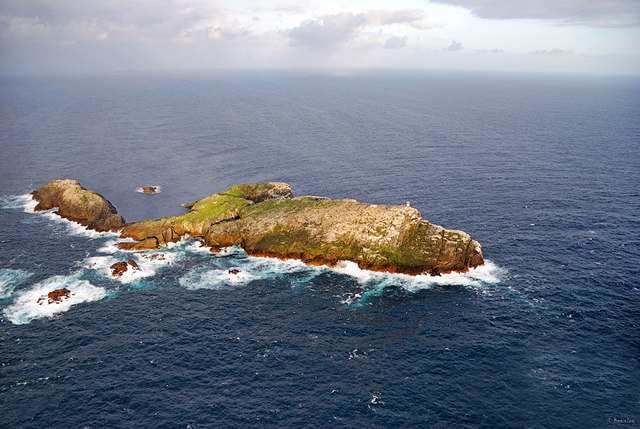
Sula Sgeir is a tiny, uninhabited skerry of rock in the North Atlantic off northern Scotland. Its name comes from Old Norse and Gaelic — commonly rendered as "gannet skerry" — and the island is famous for its dense breeding colony of seabirds, especially northern gannets. Lying well offshore and reached only by small boats in suitable weather, Sula Sgeir is one of the most remote bits of land in the British Isles; see its general location and map and its administrative links at local authority pages.
Image gallery
7 Images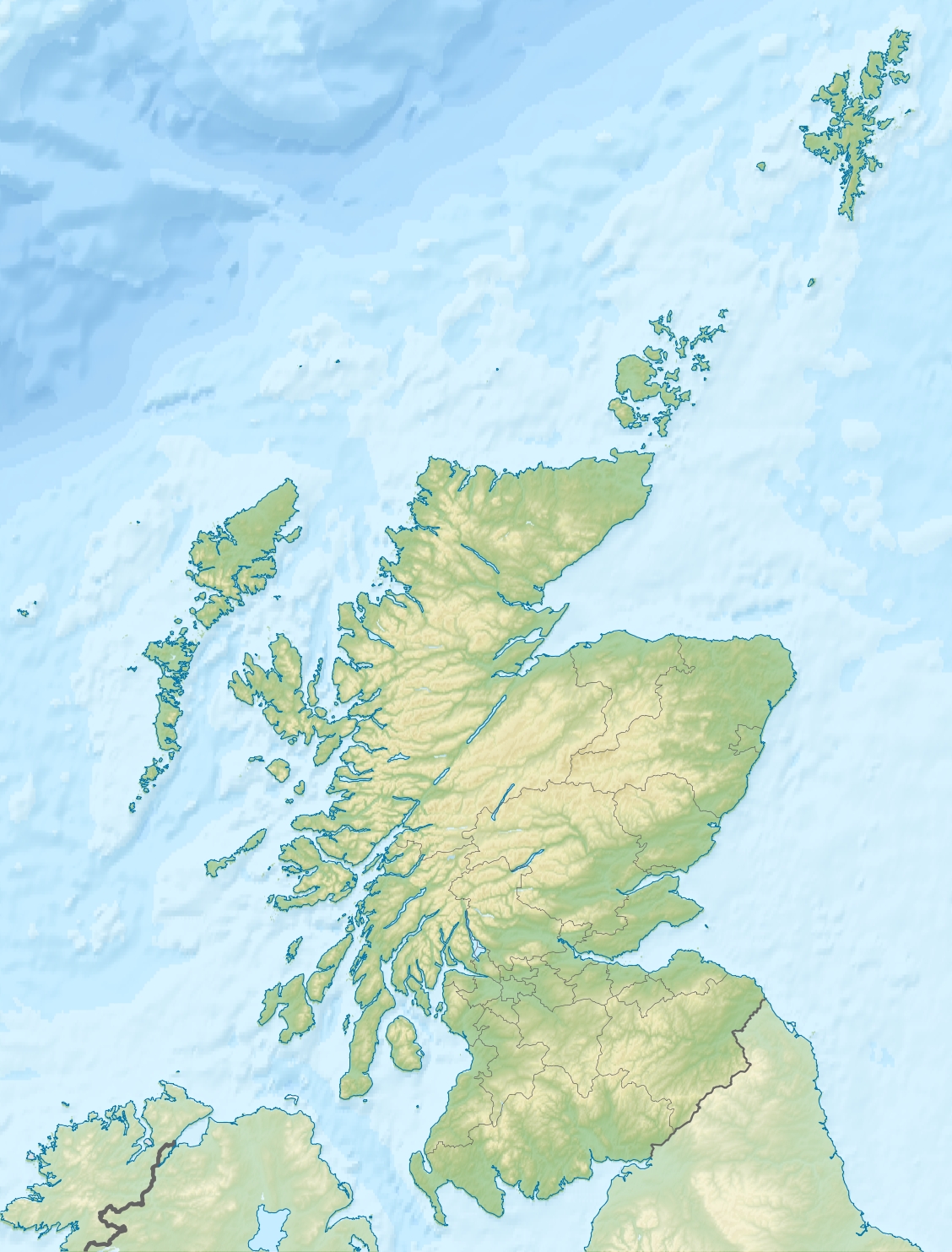




Characteristics and wildlife
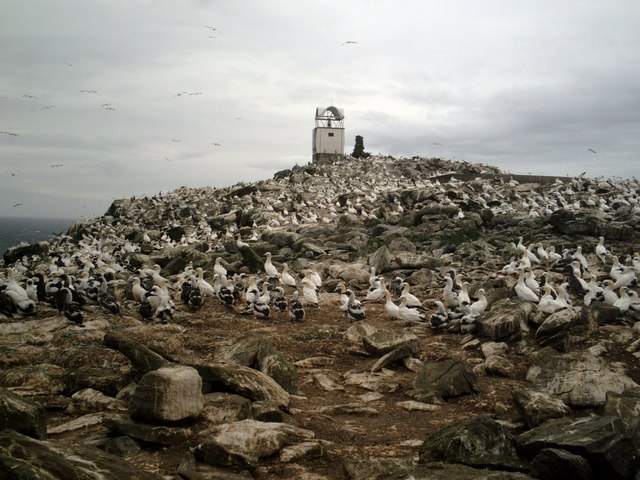
The skerry is composed of jagged rock outcrops, steep stacks and narrow ledges that are often slick and treacherous. Vegetation is sparse; the environment is shaped by wind, salt spray and seabird guano. Sula Sgeir supports very large colonies of seabirds: gannets are the most notable, but the skerry also hosts species such as fulmars, kittiwakes, guillemots and other cliff-nesting birds. Their presence makes the island ecologically important and a focal point for seabird conservation.
History, name and human presence
There is no permanent population, but human visits have occurred for centuries. A simple ruined stone shelter known locally as Taigh Beannaichte (the "Blessed House") stands on a headland called Sgeir an Teampall. The island’s Gaelic and Norse place‑names reflect long-standing maritime use and observation by fishermen and islanders in the region.
Traditional harvest and conservation
Sula Sgeir is best known for the traditional annual harvest of young gannets, known as the "guga" hunt, carried out by a small number of men from the Isle of Lewis. That practice is tightly regulated today: access and any taking of birds are controlled under conservation rules and licensing. The activity has been subject to public debate because it intersects with wildlife protection, traditional culture and modern conservation standards.
Access, safety and legal protection
Landing on Sula Sgeir is hazardous. Approaches must contend with rough seas, swell and sheer rock, and visits are normally undertaken only in calm conditions by experienced crews; rope descents are sometimes used. The islet has been designated a protected nature reserve since the mid-20th century and benefits from further legal conservation status to safeguard its seabird colonies and fragile habitat. Readers can find more about the island’s caves and coastal features at local cave guides and about its broader place among remote islands at resources on the British Isles.
- Notable facts: name means "gannet skerry"; hosts one of Britain’s important gannet colonies.
- Visiting: requires permission and careful planning; discouraged for casual visitors.
- Conservation: subject to strict protection to balance tradition and wildlife welfare.
Related articles
Author
AlegsaOnline.com Sula Sgeir: remote gannet skerry of northern Scotland Leandro Alegsa
URL: https://en.alegsaonline.com/art/94700