
Sulu Sea
The Sulu Sea is a tropical marginal sea in the western Philippines, noted for its islands, diverse coral reefs including Tubbataha, important fisheries, and historical role in regional trade and navigation.
The Sulu Sea is a tropical marginal sea of the western Pacific located between the Philippine archipelago and the northern coast of Borneo. It forms a connection among several important bodies of water and lies amid a complex maritime landscape of islands, reefs and channels. The sea is known for warm waters, clear visibility in many areas, and a mix of deep basins and shallower continental shelves around island groups.
Image gallery
4 Images

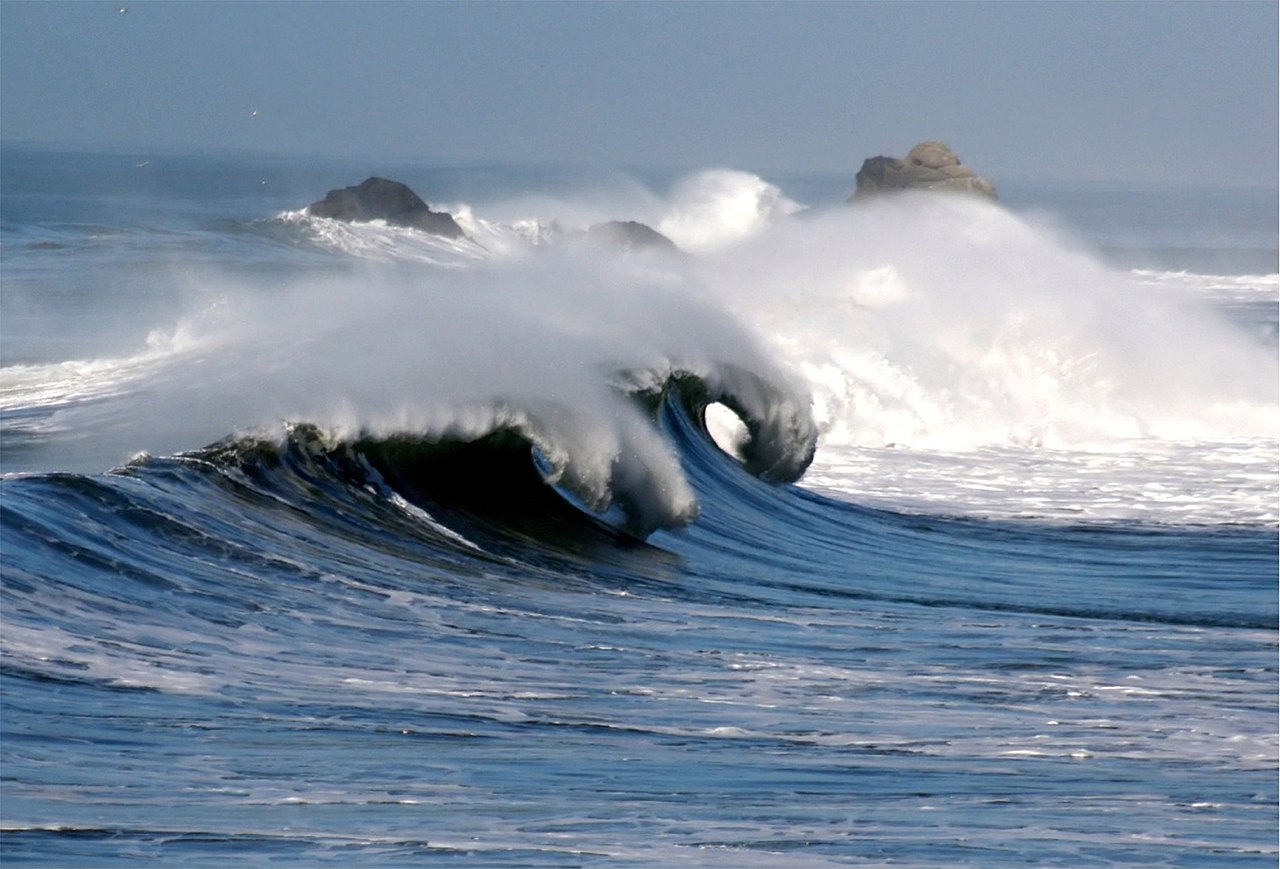

Geography and islands
The Sulu Sea is bounded by island chains and peninsulas of the Philippines and by the island of Borneo to the south. Numerous island groups rise from its waters; some belong to the province of Palawan and others to the southern provinces. Major island groups and features include:
- The Cuyo Islands and Cagayancillo group (administratively part of Palawan)
- Mapun and the Turtle Islands (part of Tawi‑Tawi province)
- Scattered reef systems and atolls that provide navigation hazards and fishing grounds
Ecology and conservation
The Sulu Sea supports rich coral reefs, seagrass beds and mangrove coastline that sustain a wide range of marine life. It is home to commercially important fish species, sea turtles, sharks and a variety of cetaceans. One of the most notable conservation sites within the sea is the Tubbataha Reef, a remote coral atoll and designated World Heritage Site; it is often cited for its exceptional coral cover and reef biodiversity as well as for ongoing conservation efforts. For more information see Tubbataha Reef.
Human use and history
For centuries the Sulu Sea has been an active corridor for fishing, trade and inter-island travel. Indigenous maritime communities, seafaring traders, and historical polities such as the Sultanate of Sulu used its routes for commerce and cultural exchange. In modern times the sea continues to support fisheries, local transport and tourism, while also serving as a passage for regional shipping. Coastal and island communities depend on its resources for livelihoods.
Importance and contemporary issues
The Sulu Sea remains important for biodiversity, food security and regional economics, but it faces pressures familiar to tropical marine regions: overfishing, illegal and destructive fishing methods, coastal development, pollution and the impacts of climate change such as coral bleaching and sea‑level rise. Conservation initiatives and marine protected areas aim to balance resource use with ecosystem protection, yet effective management remains a continuing challenge across jurisdictions.
Because the sea links different political and ecological zones, international cooperation and local stewardship are both central to its future. Its combination of scenic islands, productive fisheries and notable reef systems makes the Sulu Sea a significant maritime region in Southeast Asia.
Related articles
Author
AlegsaOnline.com Sulu Sea Leandro Alegsa
URL: https://en.alegsaonline.com/art/94748