
Sumida River (Sumida-gawa)
A central Tokyo river that flows from the city's northern districts to Tokyo Bay; noted for historic bridges, hanami cherry blossoms, the Sumida River Fireworks, and cultural importance since the Edo period.
Overview
The Sumida River (Sumida-gawa) is a well-known Japanese river that courses through northern and central Tokyo before emptying into Tokyo Bay. Its banks form important urban edges and cityscapes, and the river has long been both a transportation route and a scenic focal point for residents and visitors.
Image gallery
10 Images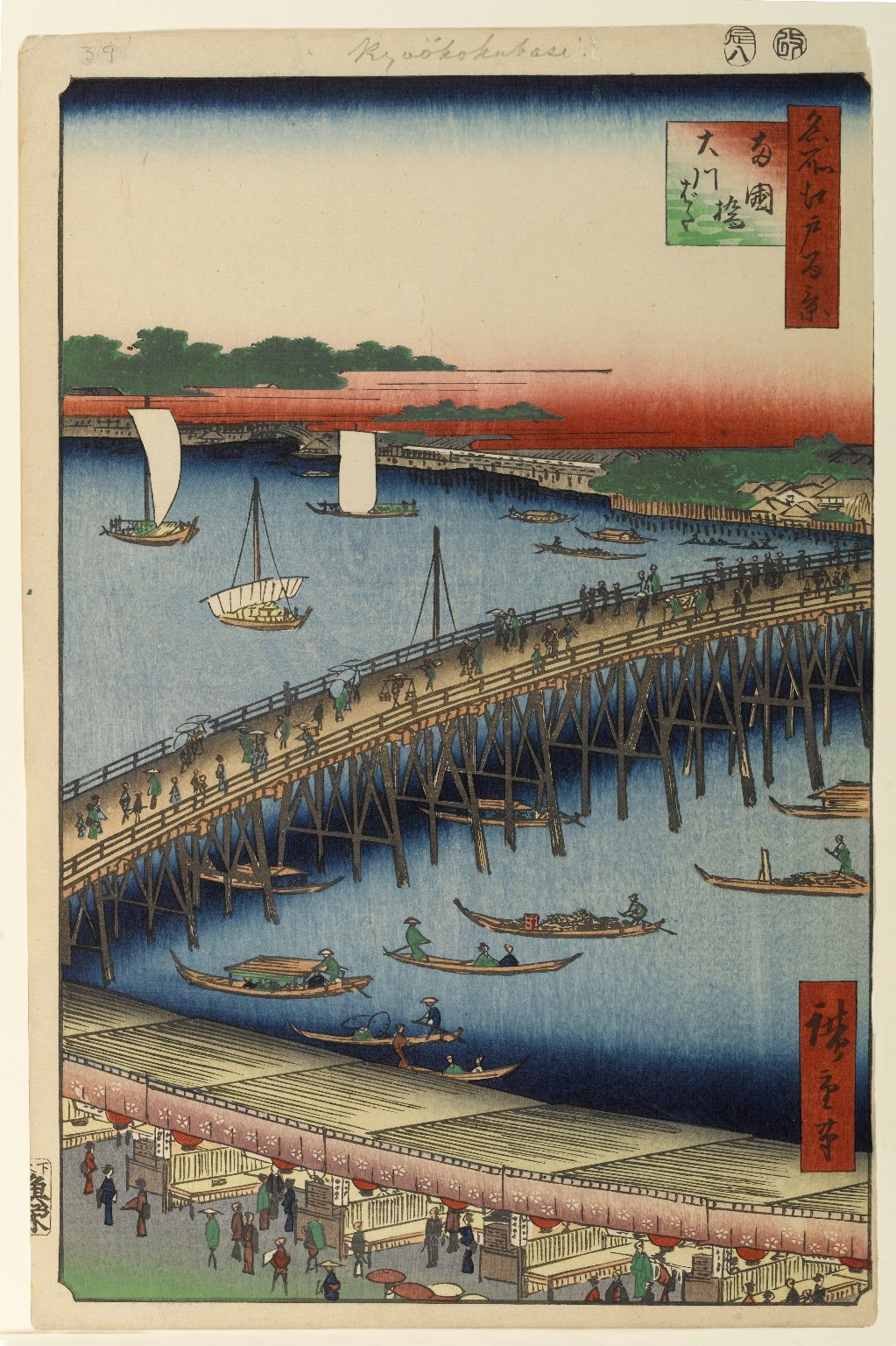




Course and characteristics
The Sumida winds through multiple city wards and is lined by promenades, parks and embankments designed for flood control and leisure. Although it runs entirely within the Tokyo metropolis, the river connects inland neighborhoods to Tokyo Bay and supports small commercial and tourist river traffic, including sightseeing cruises.
History and cultural significance
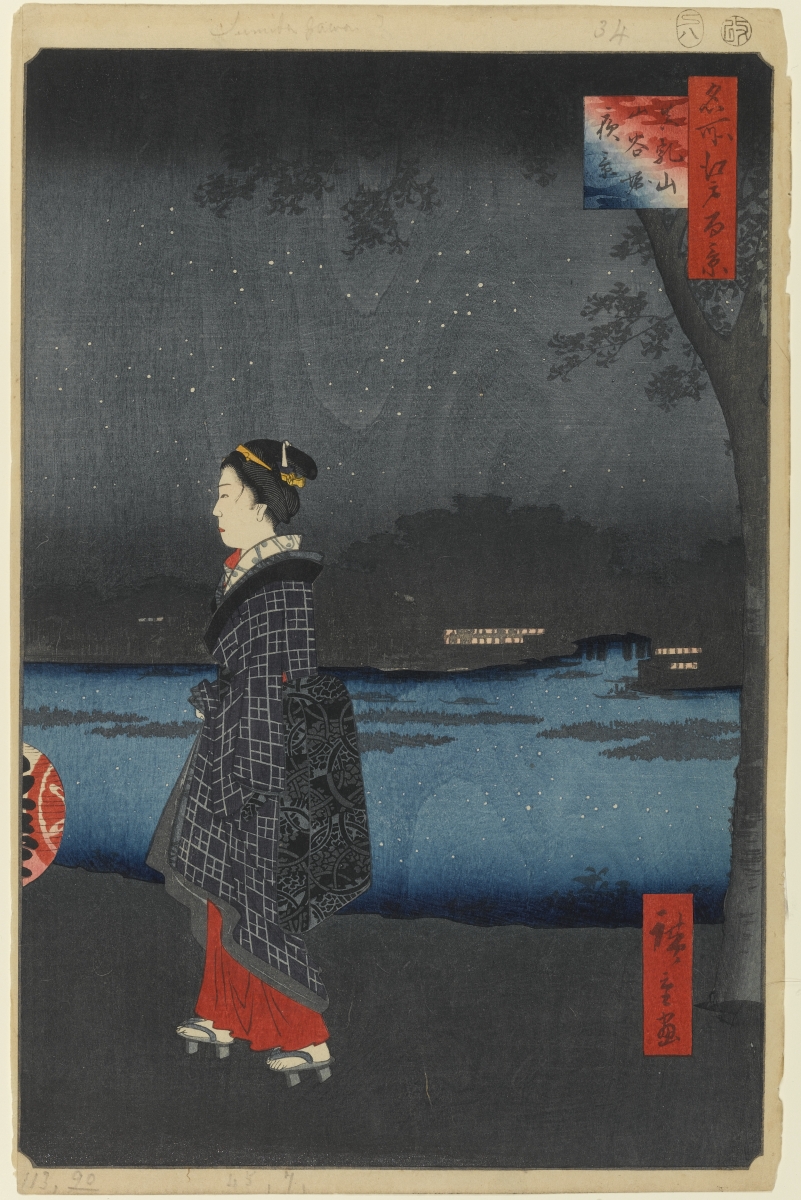
From the Edo period onward the river was integral to commerce and daily life in what became modern Tokyo. It appears frequently in ukiyo-e and other art forms—most famously in works by artists such as Hiroshige—and has inspired poetry, theater and novels. The nearby ward of Sumida takes its name from the river.
Bridges, festivals and landmarks
- Multiple historic and modern bridges span the river, serving as visual landmarks and transport links.
- The Sumida River Fireworks Festival (Sumidagawa Hanabi Taikai) is a major annual event that attracts large crowds along the banks.
- Cherry trees along stretches of the river create popular hanami (flower-viewing) spots each spring.
Uses and modern role
Today the Sumida River balances urban utility and recreation: it is a site for walking, cycling, boating and seasonal events, while embankments and engineered channels manage water flow and reduce flood risk. The river remains an enduring element of Tokyo's identity, blending historical resonance with contemporary city life.
Related articles
Author
AlegsaOnline.com Sumida River (Sumida-gawa) Leandro Alegsa
URL: https://en.alegsaonline.com/art/94773
Sources
- books.google.com : "Sumida-gawa)"
- digital.archives.go.jp : Ryogoku bridge (1875)
- books.google.com : Annales des empereurs du japon, p. 415
- flickr.com : Sakurabashi
- asakusa-samurai.com : Kototoi Bridge
- digital.archives.go.jp : Azumabashi Bridge (June 1876)
- t3.rim.or.jp : Komagata Bridge + Azuma bridge
- tokyoarchitecture.info : Shin Ohashi Bridge
- flickr.com : Kachidoki-bashi Bridge