
Šumadija: central Serbian region of forests, hills and history
Šumadija is a central Serbian region named for its forests. Known for rolling hills, orchards and historic sites, it was important in early 19th‑century uprisings and remains a cultural and agricultural heartland.
Overview
Šumadija (Serbian Cyrillic: Шумадија) is a traditional and geographic region in the heart of Serbia. Its name derives from the Slavic word šuma, meaning "forest", reflecting the area's historical woodland cover and its mixed landscape of woods, meadows and low hills. There is no single strict boundary for Šumadija; rather, it is defined by cultural, historical and natural features that distinguish it from the northern plains and the more mountainous regions of the country.
Image gallery
7 Images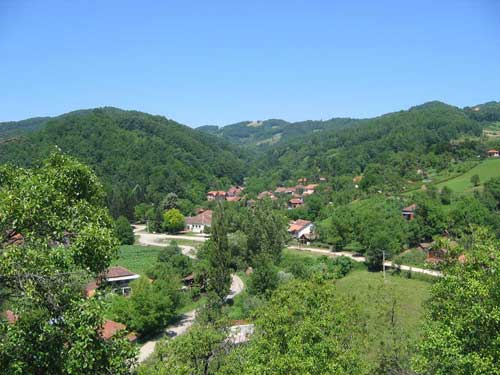



Landscape and economy
The region is characterized by gently rolling hills and fertile valleys that support diverse agriculture. Orchards and vineyards are common, and Šumadija has a reputation for fruit production—plums, apples and grapes figure prominently in local farming. Smaller woodlands remain interspersed with cultivated land, a reminder of the name's origin and of traditional rural land use. Rivers in the wider drainage of the Great Morava basin cross parts of the area, helping to sustain its farmland and settlements.
History and cultural significance
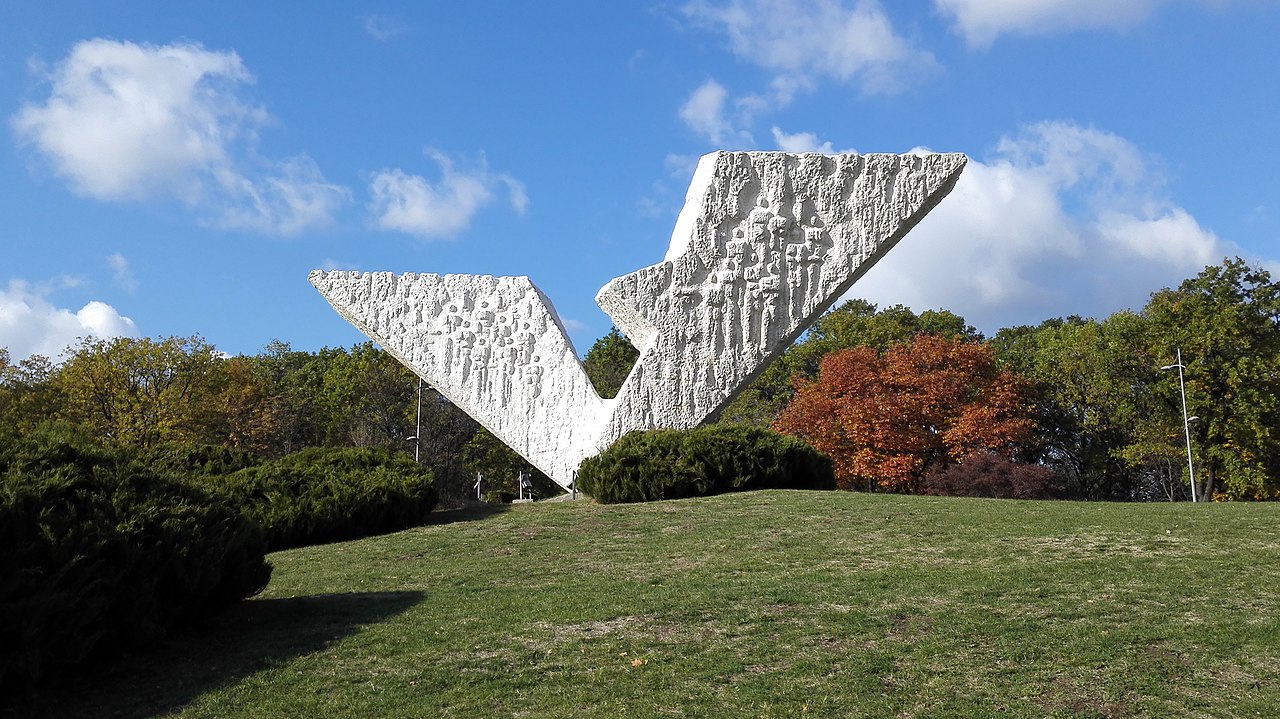
Šumadija occupies a central place in modern Serbian history. Under Ottoman rule the area retained a strong rural culture; in the early 19th century it became a focal point of national uprisings that led to the re-establishment of Serbian state institutions. Local sites and memorials recall leaders and battles from that period. The region also nurtured early cultural and educational institutions as Serbia modernized, and its folk traditions—music, costumes and cuisine—remain an important element of national identity.
Administrative centers and notable places
Today, the city of Kragujevac serves as the principal urban and administrative center of the area and is the seat of the Šumadija District. Kragujevac developed in the 19th and 20th centuries as an industrial and cultural hub. Smaller towns and historic sites around Šumadija—such as Topola and Aranđelovac—offer museums, religious monuments and rural tourism attractions that highlight local history and viticulture.
Culture, dialect and contemporary issues
Regional speech patterns and folk customs are distinctive within the Serbian-speaking world: Šumadija has contributed idioms, songs and culinary specialities that are widely recognized across the country. In recent decades the area has balanced preservation of natural and cultural heritage with economic change, facing the common challenges of rural depopulation and the need to diversify local economies. Visitors are drawn both to outdoor landscapes and to historical sites that illustrate Šumadija's role in Serbia's development.
Quick facts
- Name origin: from šuma, "forest".
- Landscape: rolling hills, orchards, vineyards and remnant woodlands.
- Central city: Kragujevac, administrative center of the Šumadija District.
- Historical note: prominent role in early 19th-century Serbian uprisings and modernization.
- Further reading: regional overviews and conservation efforts can be found via general resources on forests and rural landscapes.
Questions and answers
Q: What is Šumadija?
A: Šumadija is a geographical region located in Serbia.
Q: What is the meaning behind the name Šumadija?
A: The name Šumadija comes from the word Šuma which means forest in Serbian.
Q: Which city is the center of the Šumadija region?
A: The city of Kragujevac is the center of the Šumadija region.
Q: Which district is the administrative center of Šumadija?
A: The Šumadija District in Central Serbia is the administrative center of Šumadija.
Q: Why was the area named Šumadija?
A: The area was heavily forested, hence the name Šumadija.
Q: Which language is used to spell Šumadija in Serbia?
A: The Serbian Cyrillic alphabet is used to spell Šumadija in Serbia.
Q: Which part of Serbia is the Šumadija region situated in?
A: The Šumadija region is situated in Central Serbia.
Related articles
Author
AlegsaOnline.com Šumadija: central Serbian region of forests, hills and history Leandro Alegsa
URL: https://en.alegsaonline.com/art/94762