
Sumiteru Taniguchi — Nagasaki survivor and anti‑nuclear activist
Sumiteru Taniguchi (1929–2017) was a Japanese postman and hibakusha who survived the Nagasaki atomic bombing and became a prominent campaigner for nuclear disarmament and support for bomb survivors.
Overview
Sumiteru Taniguchi (January 26, 1929 – August 30, 2017) was a Japanese postal worker and one of the most visible survivors of the atomic bombing of Nagasaki in 1945. His severe burns and the graphic photographs of his injuries made him a widely recognized figure in campaigns to highlight the human consequences of nuclear weapons. He later became a leading anti‑nuclear activist and served as chairman of the Nagasaki Council of A‑Bomb Sufferers, representing the interests of hibakusha—survivors of the atomic bombings.
Image gallery
1 Image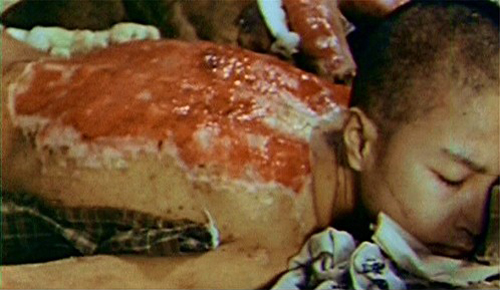
Early life and the Nagasaki bombing
Taniguchi was a teenager working as a postman when the atomic bomb was detonated over Nagasaki on August 9, 1945. The blast and the intense heat caused extensive burns and injuries. In the immediate aftermath he received emergency treatment under extremely difficult conditions as medical facilities and supplies were overwhelmed. The personal account of his experience, and photographs that showed his bandaged back and scarred skin, helped communicate the scale of civilian suffering to audiences in Japan and abroad.
Medical treatment and long‑term effects
Taniguchi required multiple surgeries and long periods of care to treat severe burn wounds and tissue damage. Like many survivors known as hibakusha, he experienced long‑term physical and social consequences related to his injuries. He underwent skin grafts and ongoing medical follow‑up, and his health was affected for decades after the bombing. Records and reports on hibakusha emphasize both the immediate trauma and the persistent medical and psychosocial needs that often follow exposure to atomic bombings.
Public testimony and activism
After recovering sufficiently to resume public life, Taniguchi became an outspoken advocate for victims of the bombs and for the abolition of nuclear weapons. He traveled, spoke at meetings, gave interviews and delivered testimony to groups and institutions concerned with humanitarian impacts and disarmament. As chairman of the Nagasaki Council of A‑Bomb Sufferers, he worked to secure better support and recognition for survivors and to press for measures that would prevent the future use of nuclear arms.
Roles, advocacy and impact
- Representative of local hibakusha through organizational leadership and public engagement.
- Use of personal testimony and visible injury to illustrate the human cost of nuclear warfare.
- Participation in national and international dialogues about victim assistance, survivor rights and legal and humanitarian approaches to nuclear disarmament.
Death and legacy
Taniguchi remained a respected voice in survivor communities and among disarmament advocates until his death on August 30, 2017, in Nagasaki at the age of 88. He had received treatment for both lung cancer and skin cancer in his later years. His life and public testimony continue to be cited in discussions of nuclear weapons abolition, the long‑term care needs of atomic bomb survivors, and the moral and humanitarian arguments used by movements seeking prohibition of nuclear arms.
Further reading: For more on the history of the 1945 bombings and survivor advocacy, consult historical surveys of the Pacific War, studies of postwar Japanese society, and publications by survivor organizations and humanitarian groups.
Related articles
Author
AlegsaOnline.com Sumiteru Taniguchi — Nagasaki survivor and anti‑nuclear activist Leandro Alegsa
URL: https://en.alegsaonline.com/art/94775
Sources
- theguardian.com : "Postman who survived Nagasaki bombing dies aged 88"
- mainichi.jp : "A-bomb survivor Sumiteru Taniguchi dies of cancer at 88"