
Vespasian: founder of the Flavian dynasty and restorer of Roman stability
Overview of Titus Flavius Vespasianus (9–79 AD): his rise from general to emperor in 69 AD, military career, fiscal and building policies, the Jewish War, and his legacy.
Overview
Titus Flavius Vespasianus (17 November 9 – 23 June 79) was Roman emperor from 69 to 79 AD and the founder of the Flavian dynasty. Rising through military and provincial commands, Vespasian established control after the turmoil of 69 AD and spent his decade on the throne restoring financial order, completing important public works, and consolidating imperial authority. He was succeeded by his elder son, Titus.
Image gallery
10 Images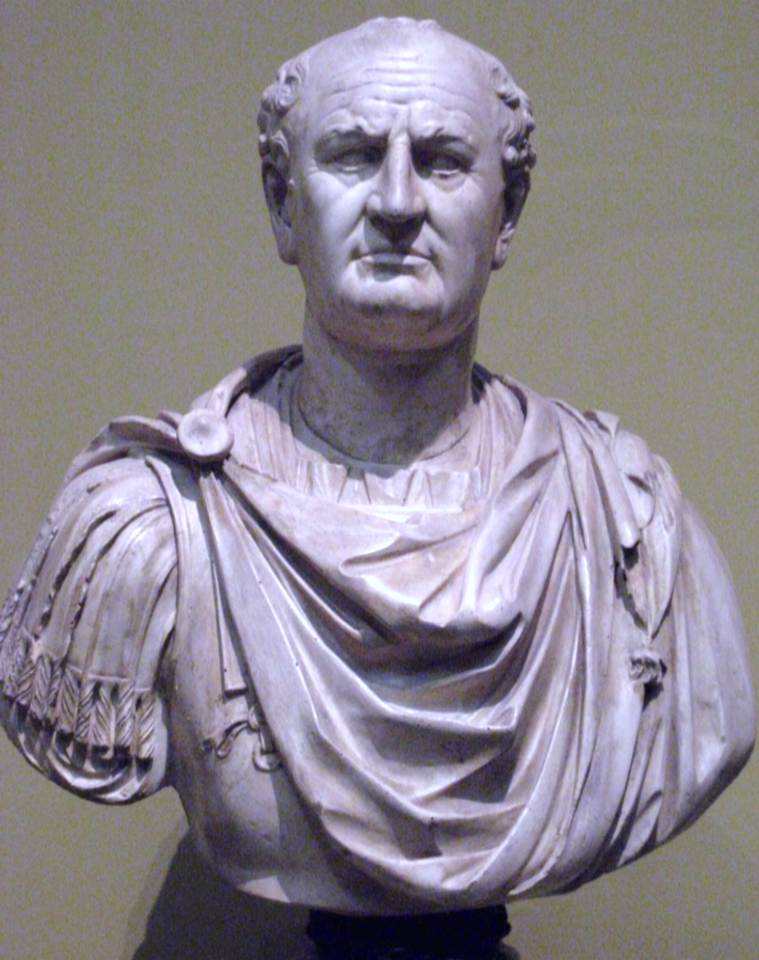


Early life and military career
Born into an equestrian family with Italian roots, Vespasian advanced through the cursus honorum to hold offices including the consulship in 51 AD. He made his reputation as a competent and pragmatic commander: he participated in the Roman invasion of Britain in 43 AD and later commanded forces in Germania and the eastern provinces. His most consequential assignment came in 66 AD, when he was sent to suppress the Jewish revolt in Judaea. During that campaign he secured the eastern provinces and prepared to besiege Jerusalem.
The Year of the Four Emperors and accession
The wider political crisis that followed the death of Nero in 68 AD plunged Rome into civil war. Classical sources call 69 AD the civil war of 69 and more commonly the Year of the Four Emperors. After the quick succession of Galba (Galba) and Otho, Vitellius (Vitellius) claimed the throne in April. While Vespasian remained in the east, his troops in Egypt and Judaea proclaimed him emperor on 1 July. He coordinated with allies such as Mucianus, governor of Syria, and the general Primus of Pannonia. Their forces defeated Vitellius late in the year, and the Senate formally recognized Vespasian as emperor on 21 December 69 AD (Roman Senate records).
Policies and public works
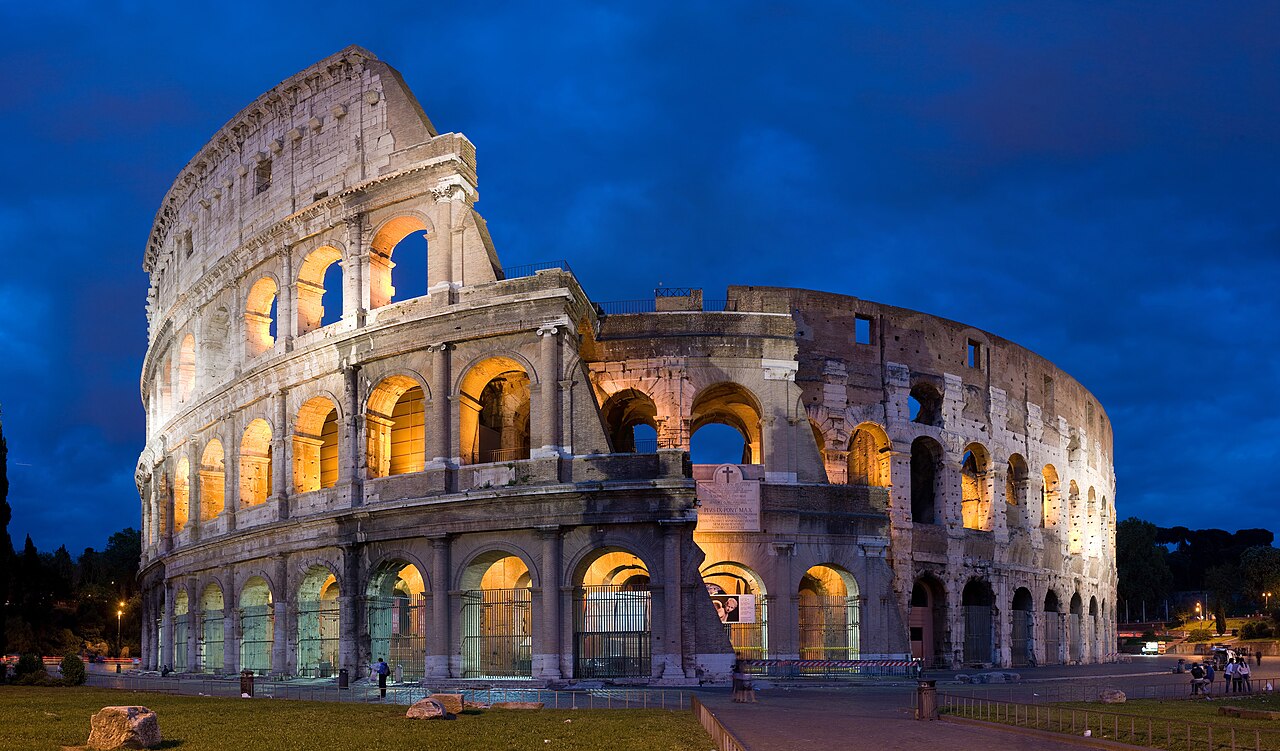
Vespasian's reign is often characterized by pragmatic governance. After a period of profligate spending and civil conflict he implemented fiscal reforms to replenish the treasury, tightened administration, and sought to make imperial finances more predictable. He is also associated with several large building projects intended to celebrate restored order and benefit the public. The most famous of these is the Flavian Amphitheatre, commonly known as the Colosseum, begun under Vespasian and completed by his son Titus. Other works included repairs to Rome's infrastructure and monuments that had been neglected or damaged during the civil wars.
Military achievement and the Jewish War
Although Vespasian left the final siege of Jerusalem to his son Titus, he directed the broader strategy that brought the Jewish revolt under Roman control. The campaign resulted in the capture and destruction of the city in 70 AD, a decisive and controversial episode that reshaped the province and had lasting cultural and religious repercussions in the region and across the empire.
Character, reputation, and legacy
Classical writers portray Vespasian as a sober and autocratic ruler who preferred practical solutions to flashy displays. He is remembered for stabilizing imperial government after an interval of violent competition and for initiating a dynasty that governed Rome for nearly three decades. Ancient anecdotes emphasize his dry humour and fiscal realism; one well-known report attributes to him a laconic remark on his deathbed, recorded by later sources. While later emperors and historians debated his methods, Vespasian is widely credited with restoring confidence in imperial rule and leaving Rome materially stronger than he found it.
Further reading and notable topics
- Consulship and early offices
- Siege of Jerusalem
- Nero and the end of the Julio-Claudian line
- Civil war of 69 AD
- Year of the Four Emperors
- Galba, Vitellius and rivals
- Egypt's strategic importance
- Judaea and the revolt
- Syria and Mucianus' role
- The Roman Senate's endorsement
- The Colosseum (Flavian Amphitheatre)
- Titus and dynastic succession
Questions and answers
Q: Who was Vespasian?
A: Vespasian (Titus Flavius Vespasianus, 17 November 9 AD – 23 June 79) was a Roman Emperor from 69 AD to 79. He founded the Flavian dynasty which ruled the empire for 27 years.
Q: What military campaigns did Vespasian take part in?
A: Vespasian took part in the Roman invasion of Britain in 43 AD and the Jewish rebellion of 66 AD.
Q: How did Nero's suicide lead to Vespasian becoming emperor?
A: After Nero committed suicide, plunging the empire into a year of civil war known as the Year of the Four Emperors, armies in Egypt and Judaea declared Vespasian emperor on July 1. He joined forces with Mucianus, governor of Syria, and Primus, a general in Pannonia, to gain control of imperial power. On 20 December, Vitellius was defeated and on 21 December, Vespasian was declared emperor by the Roman Senate.
Q: What are some accomplishments attributed to his reign?
A: During his reign as emperor from 69-79AD he is known for financial reforms, successful campaign against Judaea and several ambitious construction projects such as the Colosseum.
Q: When did he become consul?
A: Although he held the consulship in 51 AD.
Q: Who succeeded him upon his death?
A: Upon his death in 79AD he was succeeded by his eldest son Titus.
Author
AlegsaOnline.com Vespasian: founder of the Flavian dynasty and restorer of Roman stability Leandro Alegsa
URL: https://en.alegsaonline.com/art/132519