
Domitian (Roman emperor, 51–96 AD)
Titus Flavius Domitianus, Roman emperor from 81 to 96 AD. Last of the Flavian dynasty, known for authoritarian rule, administrative reforms, building programmes, frontier defence and a contested legacy.
Overview
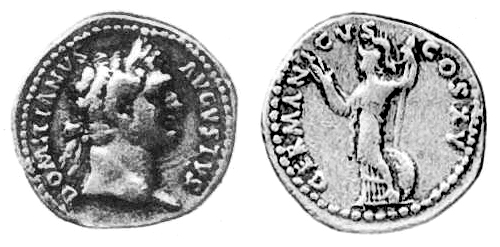
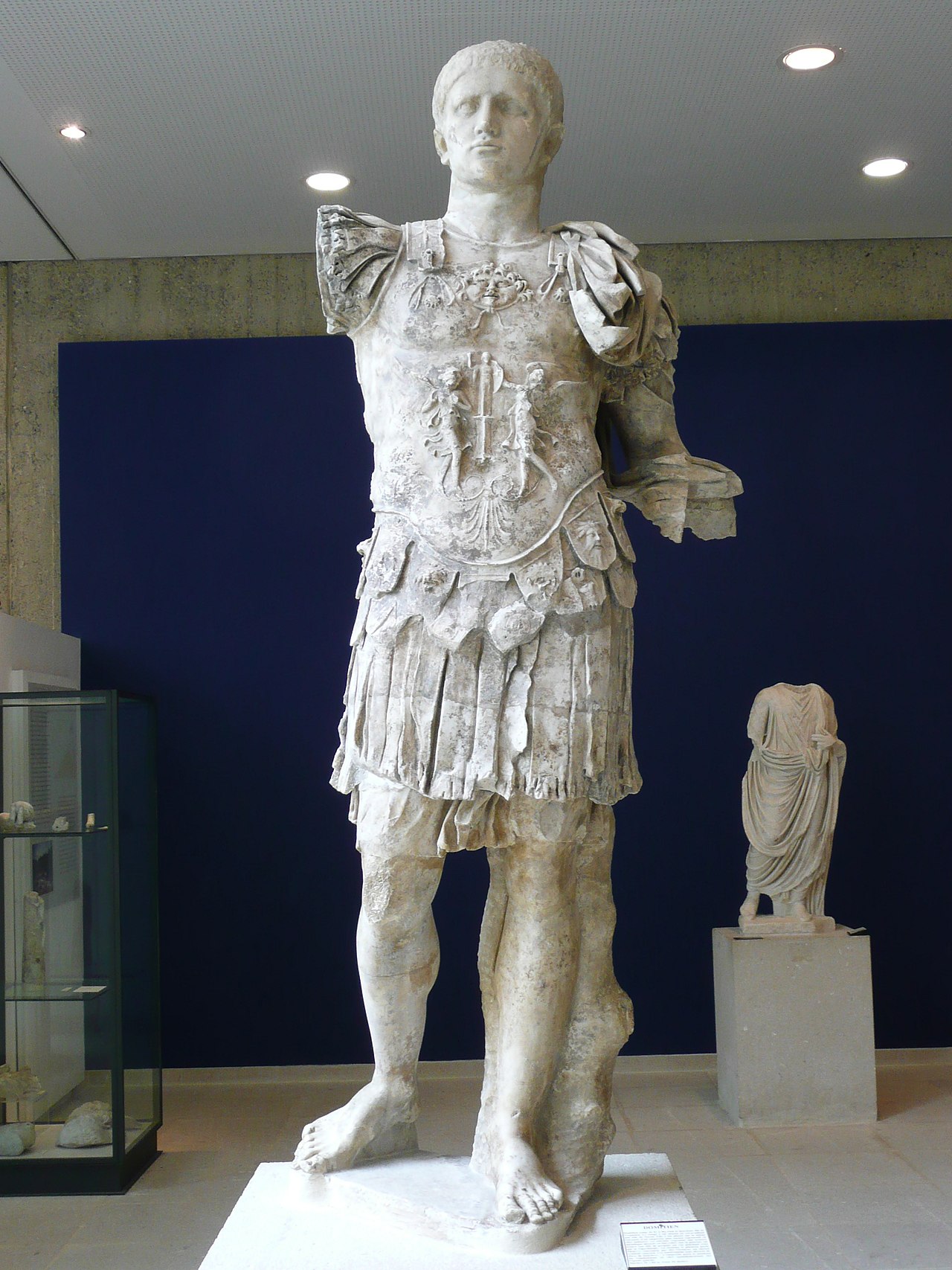
Titus Flavius Domitianus (24 October 51 – 18 September 96) was Roman emperor from 14 September 81 until his assassination in 96. The younger son of Vespasian and brother of Titus, he succeeded after a period of military commitments and fiscal pressure. His thirteen-year reign combined efforts to strengthen central authority, extensive building in Rome, active management of the frontiers and a visible promotion of imperial ceremony.
Image gallery
10 Images




Early life and accession
Domitian was born into the Flavian family and spent much of his early career in administrative and military posts. When his elder brother Titus died without heirs, Domitian inherited the principate. His accession marked the continuation of the Flavian dynasty at a time when imperial legitimacy depended on both army support and administrative competence.
Government and administration
Domitian strengthened the powers of the princeps and asserted closer imperial control over provincial administration. He placed trusted equestrian officers and palace freedmen in key positions, reducing senatorial influence in many areas. Ancient sources emphasize secrecy, censorship and the use of informers, while modern scholarship stresses that some measures increased efficiency, clarified lines of command and improved fiscal oversight.
Military and foreign affairs
His foreign policy prioritized securing Rome's frontiers on the Rhine and Danube rather than vast expansion. Domitian led or supervised campaigns against Germanic groups and the Dacians and reinforced frontier defenses. Some treaties and settlements were criticized by contemporaries and later historians as temporary or conciliatory, leaving unresolved challenges for successors.
Public works, economy and culture
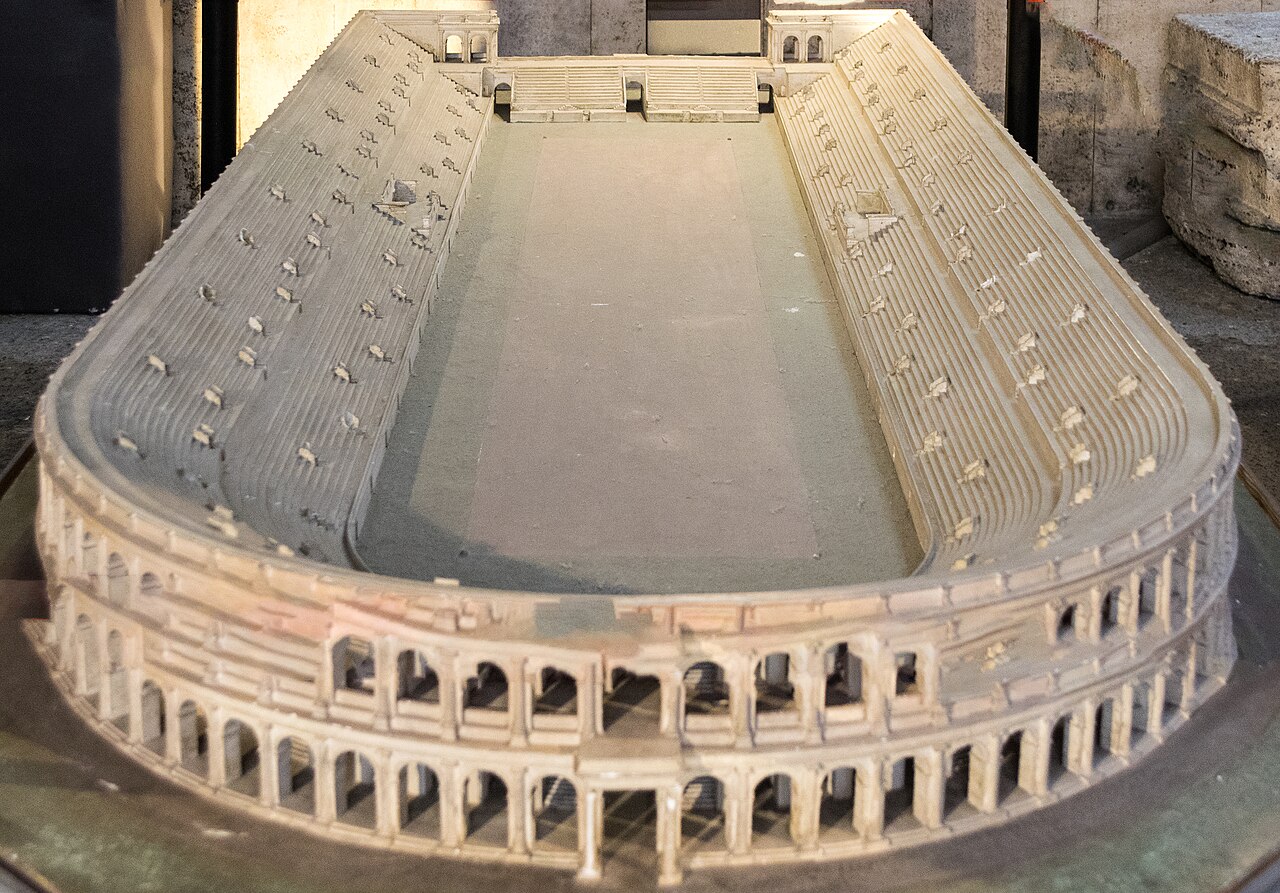
Domitian embarked on substantial building programmes, completing and commissioning palaces and public works including projects on the Palatine and the Stadium later associated with the Piazza Navona. Fiscal measures and administrative vigilance improved revenues and helped stabilize the treasury. He promoted traditional religion and the imperial cult and enjoyed support from poets and court intellectuals even as senatorial authors recorded hostility.
Assassination and succession
Domitian was murdered in a palace conspiracy on 18 September 96. Ancient accounts point to involvement by court insiders and at least one freedman assassin; precise details remain debated. After his death the Senate applied a partial damnatio memoriae, and the elderly senator Nerva was chosen as emperor, inaugurating a new phase of imperial succession based on adoption.
Legacy
Ancient literary testimonies, many written by senators who resented his rule, portray Domitian harshly. Modern historians adopt a more balanced view: he combined autocratic tendencies with competent administration, fiscal responsibility and notable building activity. His death ended the Flavian line and provoked reassessment of how imperial power and senatorial prestige were balanced in the later principate.
- Key themes: centralization of power, frontier defence, fiscal oversight, public building.
- Cultural note: admired by some contemporary poets, vilified in many senatorial histories.
Related articles
Author
AlegsaOnline.com Domitian (Roman emperor, 51–96 AD) Leandro Alegsa
URL: https://en.alegsaonline.com/art/117789