
Sudurpashchim Province (Far-Western Province of Nepal)
Westernmost province of Nepal, formerly Province No. 7. Bordered by China and India, capital designated Godawari. Varied terrain from Himalaya to Terai, with distinct languages, cultures and natural parks.
Overview
Sudurpashchim Province is the westernmost of Nepal's federal provinces. In Nepali the name appears as सुदूरपश्चिम प्रदेश. It was created under Nepal's 2015 federal constitution and was provisionally known as Province No. 7 until the provincial assembly adopted the current name in 2018. The designation reflects its geographic position at the far western edge of the country and its role as a distinct administrative region within the system of seven provinces.
Image gallery
9 Images


Geography and boundaries
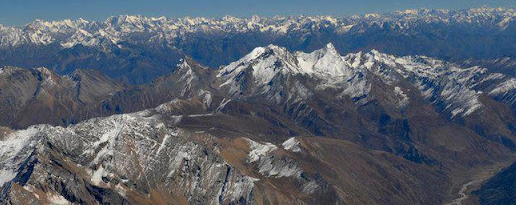
Sudurpashchim lies in the far west of Nepal, stretching from high Himalayan ranges in the north to the flat Terai plains along the Indian border. To the north it meets the Tibet Autonomous Region of China (Tibet), while to the east it borders neighbouring Nepali provinces. On its western and southern margins the province adjoins the Republic of India, including the states of Uttarakhand to the west and Uttar Pradesh to the south. This position gives the province a range of climates and landscapes, from alpine zones and mid-hill forests to fertile lowland plains.
History and administration
Formed as part of Nepal's federal reorganisation, the province's political institutions include a provincial assembly and a chief minister. In September 2018 the assembly selected Godawari as the provincial capital. Local administrative functions are distributed among several municipalities and rural municipalities, and the province contains important regional centers that predate the federal structure.
Population, languages and economy
The province is home to a mix of ethnic and linguistic groups. Nepali and regional dialects such as Doteli are widely spoken, and indigenous communities including Tharu live in the Terai. Economic activity is largely based on agriculture, animal husbandry and small-scale trade; cross-border commerce with India contributes to local markets. Transport links include road corridors and regional airports that connect urban centers to the rest of the country.
Culture, environment and notable features
Sudurpashchim contains protected areas and religious sites that attract domestic visitors. Natural highlights include forested hills and national parks known for biodiversity and trekking opportunities. Cultural life blends national Nepali festivals with local traditions, and cuisine, dress and folk music vary between mountain, hill and plain communities.
Notable distinctions
- Westernmost province of Nepal, with international borders to both China and India.
- Renamed from Province No. 7 by its provincial assembly in 2018; Godawari was chosen as the capital.
- Displays a wide ecological gradient from high Himalaya to Terai plains, supporting diverse livelihoods.
For further regional information consult provincial documents and national resources that cover administration, development plans, and cultural heritage.
Related articles
Author
AlegsaOnline.com Sudurpashchim Province (Far-Western Province of Nepal) Leandro Alegsa
URL: https://en.alegsaonline.com/art/94597
Sources
- statoids.com : "Nepal Provinces"
- thehimalayantimes.com : "Prov 7 named Sudurpaschim amid objection from NC, RJP"
- kathmandupost.ekantipur.com : "Province 7 named Sudurpashchim, Godawari capital"