
Subantarctic: region, climate, ecology and islands
The Subantarctic is the cool oceanic band immediately north of the Antarctic, spanning roughly 46°–60°S. It includes remote islands, distinctive marine fronts, unique ecosystems and limited human presence.
Overview
The Subantarctic is a broad, mostly oceanic zone immediately north of the Antarctic region, occupying a belt roughly between 46° and 60° south latitude. It lies in the Southern Hemisphere and stretches around the globe, forming a transitional band between temperate southern oceans and the polar environment south of about 60°S.
Image gallery
10 Images



Geography and island groups
Much of the Subantarctic is open sea punctuated by scattered island groups. These islands are found across the southern Indian Ocean, the southern Atlantic Ocean and the southern Pacific Ocean. Notable groups include South Georgia and the South Sandwich Islands, the Kerguelen and Crozet archipelagos, the Prince Edward Islands, Macquarie Island, and the New Zealand subantarctic islands such as the Auckland and Campbell Islands.
Climate and oceanography
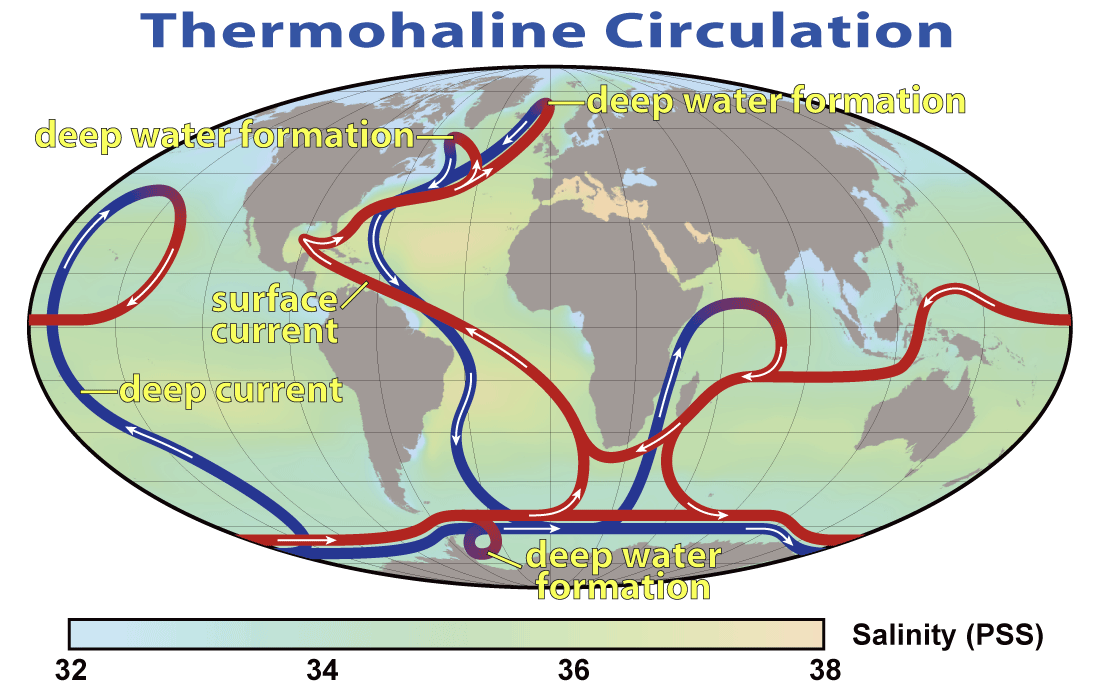
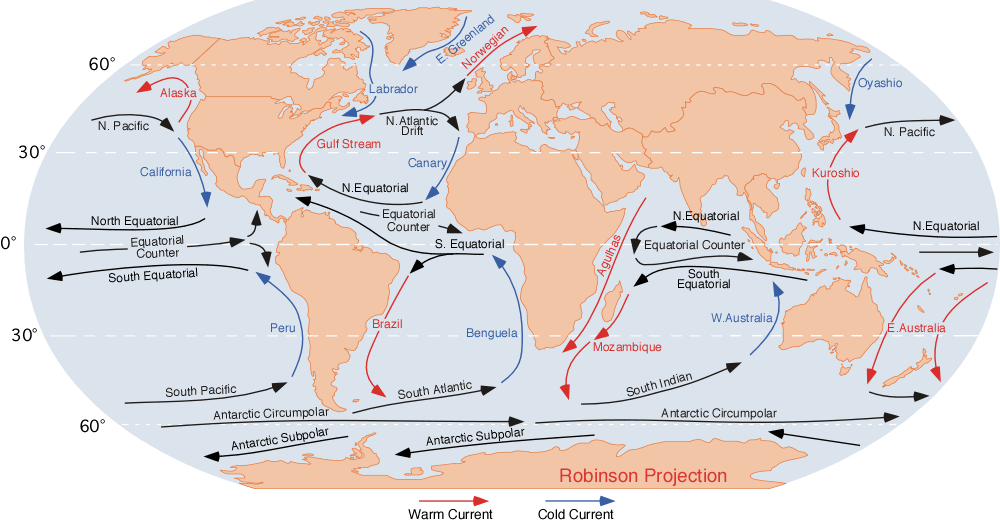
The Subantarctic climate is cold maritime: temperatures are cool year-round, clouds and persistent westerly winds are common, and storms are frequent. Oceanic features such as the Antarctic Convergence (also called the Polar Front) mark a strong ecological and physical boundary where cold polar waters sink beneath warmer subantarctic waters. These fronts, together with the Subantarctic Front and vigorous currents, shape nutrient mixing and marine productivity.
Ecology and wildlife
Terrestrial vegetation is typically low and wind-sheared: tussock grasses, cushion plants, peat bogs and, on some islands, striking "megaherbs". The region is especially important for marine birds and mammals: large breeding colonies of albatrosses, petrels, several penguin species, seals and sea lions occur on Subantarctic islands. The surrounding seas support krill, fish and productive food chains that attract whales and other marine predators.
Human presence, uses and protection
Human habitation is limited. A handful of islands host research stations or small permanent settlements; historically they were bases for sealing and whaling. Today the main activities are scientific research, regulated fishing and controlled tourism. Many islands have protected status and some are internationally recognized for their natural values; management focuses on invasive species removal, biosecurity and habitat conservation.
Distinctions and notable facts
The Subantarctic differs from the true Antarctic both ecologically and legally: the boundary near 60°S is important in international law and in oceanography, and governance of Subantarctic islands is generally exercised by adjacent sovereign states rather than under the Antarctic Treaty system. Because of its role as a climatic and biological transition zone, the Subantarctic is crucial for understanding Southern Ocean ecosystems and the impacts of climate change.
- Equator reference: the region lies well south of the Equator.
- Major oceans: many islands lie in the Indian Ocean, Atlantic Ocean and Pacific Ocean.
Related articles
Author
AlegsaOnline.com Subantarctic: region, climate, ecology and islands Leandro Alegsa
URL: https://en.alegsaonline.com/art/94455