
Semi-automatic rifle
Firearm that fires one round per trigger pull and automatically chambers the next; overview of mechanisms, history, uses, and legal distinctions.
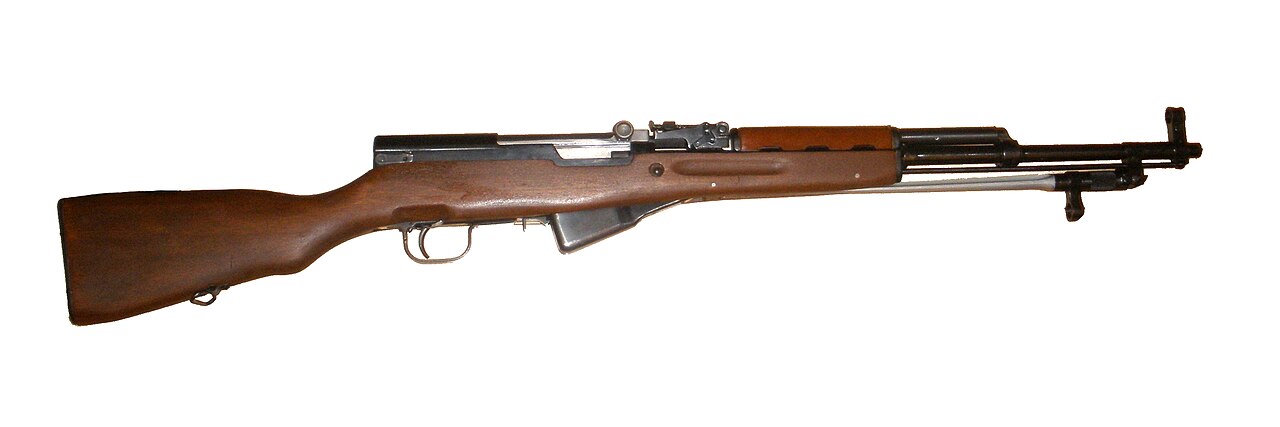
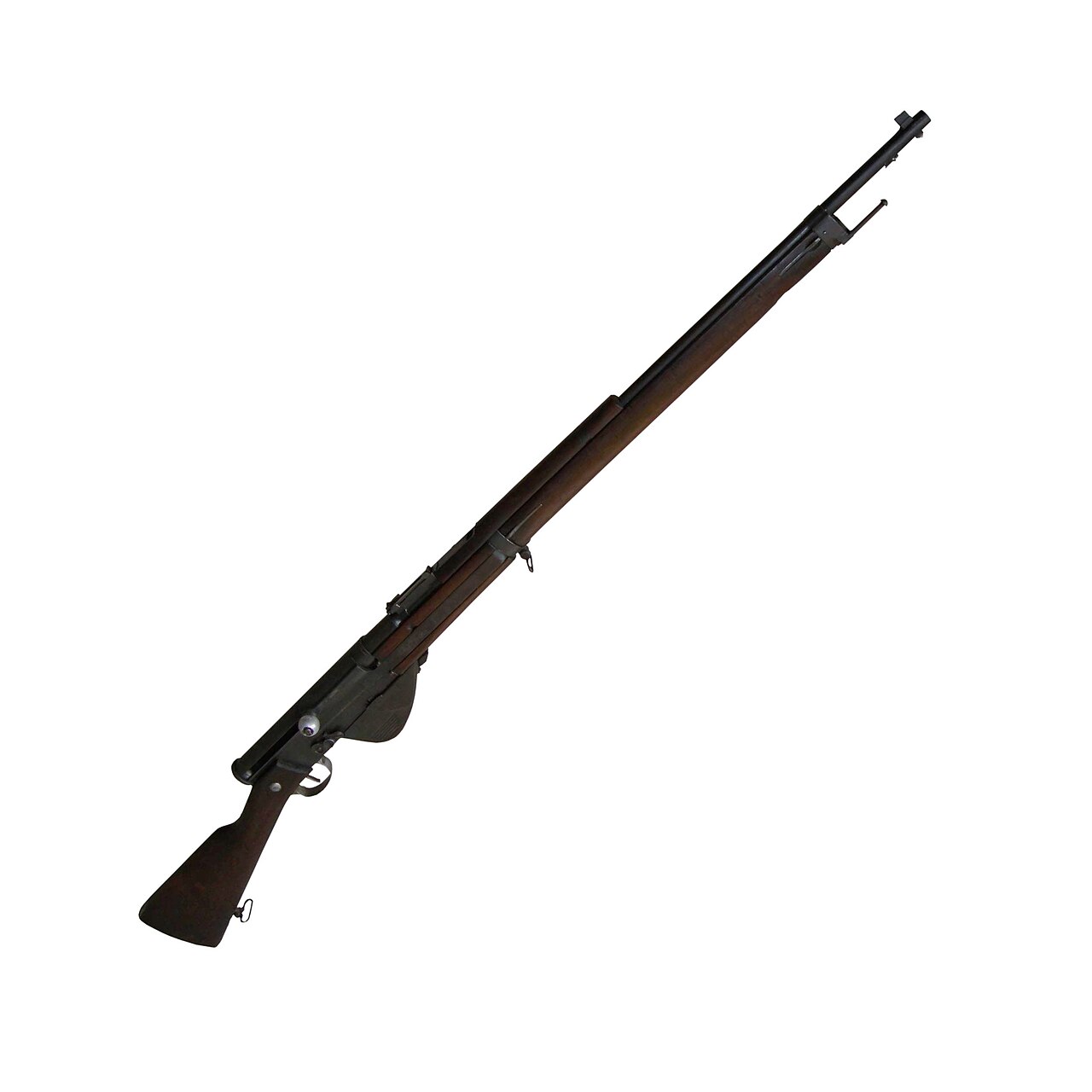
A semi-automatic rifle is a shoulder-fired firearm that discharges one cartridge each time the trigger is pulled and then automatically prepares the next round. It differs from manually operated rifles, which require cycling a bolt, lever or pump between shots, and from fully automatic weapons that continue firing while the trigger is held.
Image gallery
10 Images




Mechanism
Semi-automatic rifles use the energy of the fired cartridge to cycle the action and load the next round. The sequence commonly includes firing, extraction of the spent case, ejection, cocking of the firing mechanism, and feeding of a new cartridge from a magazine. Several operating systems are employed in different designs, including gas operation, recoil operation and blowback systems.
Common parts and functions include:
- Barrel and chamber: direct the projectile and contain the cartridge during firing.
- Action: the moving parts that load, fire and extract (action).
- Magazine and cartridges: store and feed ammunition; cartridges contain primer, propellant and projectile (cartridge).
- Sights and stock: aid aiming and support the shooter.
History and development
Mechanical concepts that automatically cycled the next round began to appear in the late 19th and early 20th centuries. Improvements in metallurgy, ammunition and engineering gradually made semi-automatic rifles more reliable and practical. Over the 20th century these designs spread into civilian, law enforcement and some military roles as manufacturers refined locking systems, gas ports and magazine feeds. For an outline of technical evolution, consult further reading here.
Uses and examples
Semi-automatic rifles serve a range of civilian uses, including hunting, competitive shooting and personal defense. Law enforcement agencies often use semi-automatic platforms for patrol and tactical duties. While many modern military forces adopted select-fire or automatic-capable weapons for combat, semi-automatic designs remain common in civilian and paramilitary contexts. Practical considerations such as ammunition selection and magazine capacity affect performance; see additional resources here.
Distinctions and legal context
The key technical and legal distinction is the number of shots per trigger pull: a semi-automatic fires one round per pull, while a fully automatic firearm (a machine gun, for example) continues firing until the trigger is released or ammunition is exhausted. Laws and regulations vary widely between countries and regions: some jurisdictions restrict semi-automatic features, limit magazine capacity, or require permits and background checks. Responsible ownership emphasizes training, safe storage, and adherence to local rules.
Routine maintenance, correct ammunition matching, and familiarity with the rifle's manual of arms are important for safe and reliable operation. For detailed technical specifications or legal advice consult manufacturers' documentation and local authorities.
Related articles
Author
AlegsaOnline.com Semi-automatic rifle Leandro Alegsa
URL: https://en.alegsaonline.com/art/88736