
STS-122 — Space Shuttle Atlantis delivers Columbus laboratory to the ISS
STS-122 (Feb 2008) was Space Shuttle Atlantis’s mission that delivered the European Columbus laboratory to the International Space Station, transporting seven crew and completing installation and checkout tasks.
Mission overview
STS-122 was the 121st flight of the Space Shuttle program and the mission that carried the European Columbus laboratory to the International Space Station. The orbiter Atlantis launched from the Kennedy Space Center in Florida at 19:45 UTC on 7 February 2008 and returned to Earth on 20 February 2008, completing a mission of roughly two weeks. The flight transported seven crew members to the station and focused on delivering, installing and activating Columbus.
Image gallery
10 Images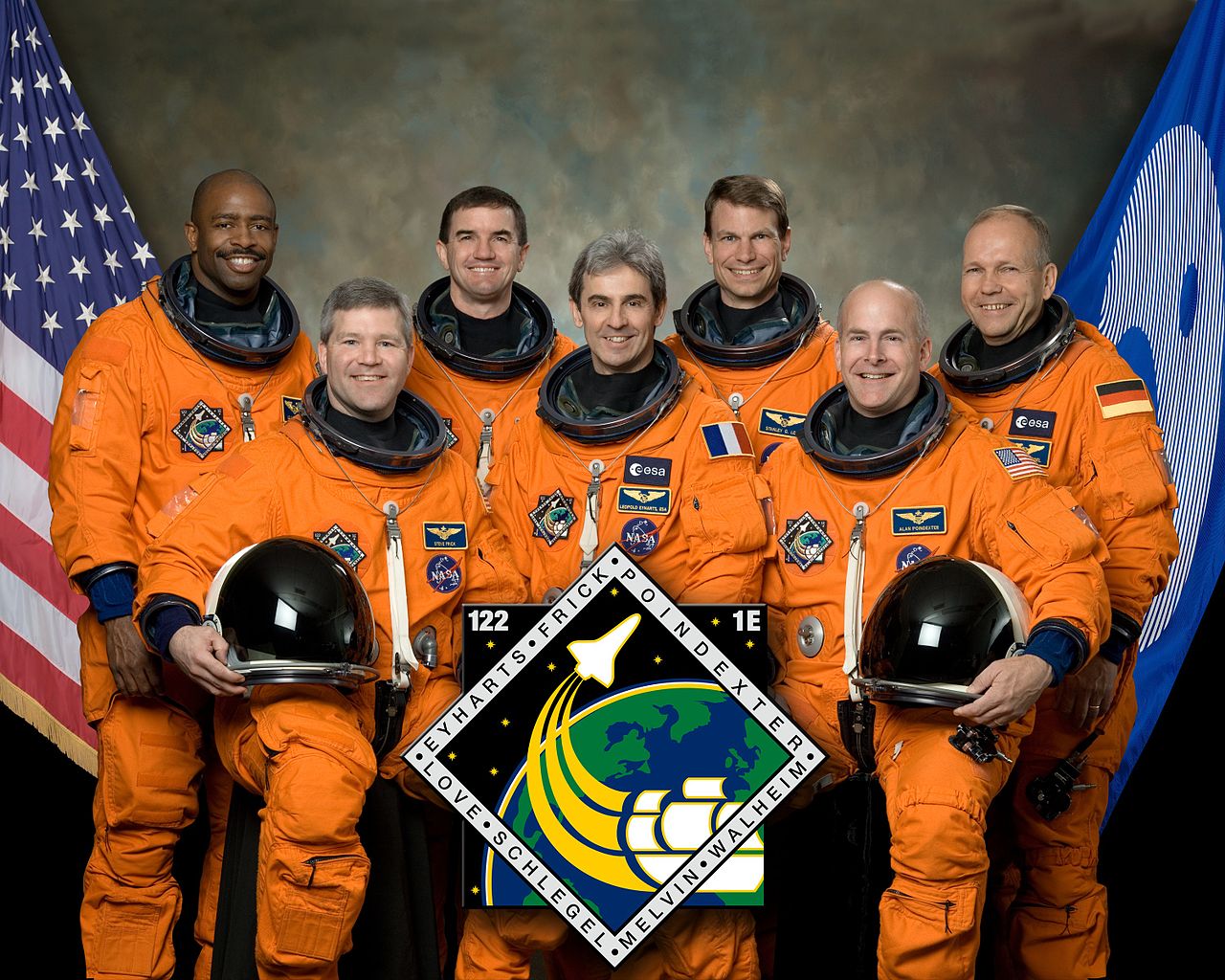




Objectives and payload
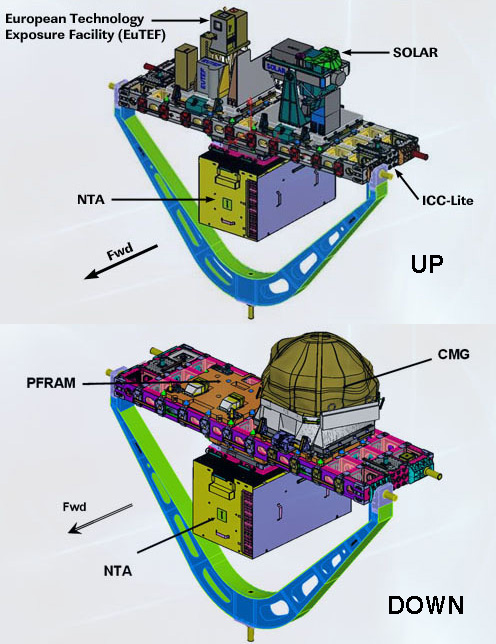
The prime objective was to deliver the Columbus laboratory, the European Space Agency’s pressurised research module, and to attach and make it ready for operations on the station. Columbus was carried in Atlantis’s payload bay and was transferred and berthed to the station using the shuttle’s Remote Manipulator System and the station’s robotic assets. Crew activities included transferring hardware and supplies, installing scientific racks and connecting power, data and fluid lines needed for the module to begin supporting experiments in microgravity.
Operations and spacewalks
Crew members conducted planned extravehicular activities (EVAs) and used robotic manipulators to complete mechanical installation and hook-ups. Tasks typically involved routing cables and umbilicals, activating external experiments and verifying environmental interfaces so that internal racks and systems could be powered and readied. The mission demonstrated the integrated use of the shuttle and station systems during assembly and outfitting operations.
Scientific and programmatic significance
Adding Columbus expanded the station’s research capabilities by providing a dedicated European laboratory for experiments in areas such as biology, fluid physics, materials science and technology demonstrations. The arrival of Columbus also reflected international partnership in the station programme and the role of shuttle missions in assembling and maintaining the orbital complex.
Legacy and resources
STS-122 is remembered for delivering one of the primary research modules that broadened international access to long-duration microgravity experimentation. For mission data, timelines and technical documents consult primary agency sources and archived mission summaries. See references to the International Space Station, the shuttle vehicle (Space Shuttle), mission flight materials (flight) and the launch/landing site (Kennedy Space Center, Florida).
Questions and answers
Q: What is STS-122?
A: STS-122 is the name of the 121st flight of the Space Shuttle.
Q: How many people did the flight take into outer space?
A: The flight took seven people into outer space.
Q: What did the flight deliver to the International Space Station?
A: The flight delivered a module called Columbus to the International Space Station.
Q: Which Space Shuttle carried the module?
A: The Space Shuttle Atlantis carried the module.
Q: When did the flight begin and from where?
A: The flight began at 19:45 UTC on 7 February 2008, from the Kennedy Space Center in Florida.
Q: When did the flight end and where did the Shuttle return to?
A: The flight ended on 20 February at 14:07 UTC when the Shuttle returned to the Kennedy Space Center.
Q: What was the purpose of the STS-122 mission?
A: The purpose of the STS-122 mission was to deliver the Columbus module to the International Space Station.
Related articles
Author
AlegsaOnline.com STS-122 — Space Shuttle Atlantis delivers Columbus laboratory to the ISS Leandro Alegsa
URL: https://en.alegsaonline.com/art/94357
Sources
- spaceflightnow.com : "Spaceflight Now – Mission Status Centre"
- planet4589.org : "Satellite Catalog"
- cbsnews.com : "STS-122 Quick Look Data"
- nasa.gov : Live STS-122 coverage