
Stockholm Palace: Sweden’s Royal Castle and State Residence
The Stockholm Palace (Stockholms slott) is the official royal castle in central Stockholm. Rebuilt after the 1697 Tre Kronor fire, it contains state rooms, museums, the Royal Apartments and national treasures.
Overview
The Stockholm Palace, known in Swedish as Stockholms slott, is the principal royal castle and the official residence used for state occasions in Stockholm. Located on Stadsholmen in the old town, it functions both as a working palace for the Royal Court and as a cultural complex with museum collections open to the public. The palace is a prominent symbol of the Swedish monarchy and of the modern state.
Image gallery
10 Images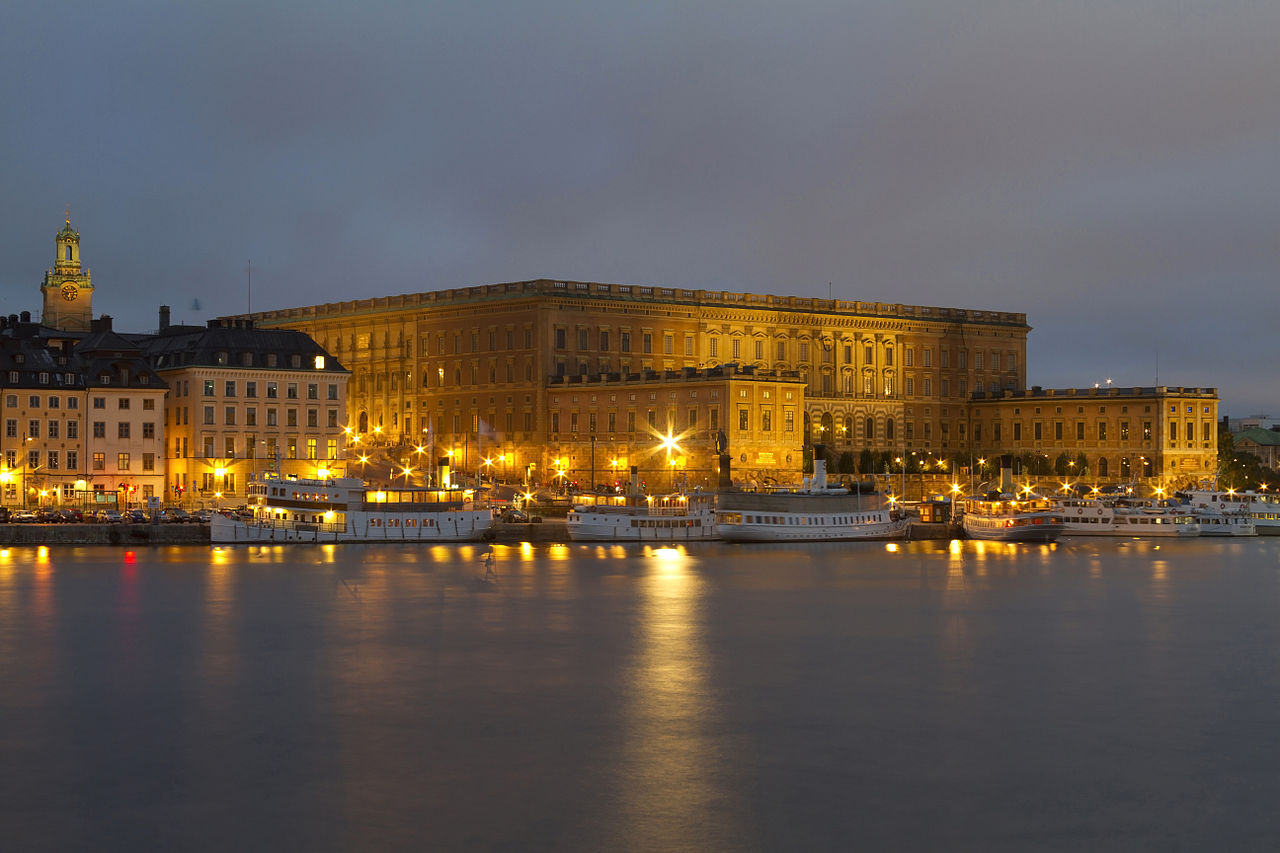


Architecture and principal parts
Rebuilt in an 18th-century Baroque style after the great fire of 1697 that destroyed the medieval Tre Kronor, the present palace was chiefly designed by architect Nicodemus Tessin the Younger. It comprises grand State Apartments for official ceremonies, private Royal Apartments, the Royal Chapel, service wings and a historic palace theatre. Its façades, courtyards and interior rooms reflect ceremonial needs and later restorations.
History and development
Construction began in the early 18th century and extended over many decades, allowing changes in taste and function to affect interior decoration and layout. While originally created for a more absolutist monarchy, the palace has been adapted for constitutional and representational duties and for housing museums and administrative offices of the Royal Court.
Uses, collections and public access
The palace hosts formal receptions, audiences and state banquets. It contains several important public collections: the Royal Armoury (Livrustkammaren) with historic costumes, arms and ceremonial carriages, and the Treasury where crowns and regalia are preserved. Parts of the building are open to visitors on a seasonal basis, offering guided tours of representative halls, the chapel and selected apartments. Official visitor information and practical details are published by palace authorities and tourism services (royal castle information).
Notable rooms and items
- State Apartments — formal rooms for ceremonies and receptions.
- Royal Chapel — used for religious services and smaller ceremonies.
- Royal Armoury — one of Sweden’s oldest museums, displaying armour, robes and carriages.
- Treasury — preserves crowns and ceremonial objects associated with the monarchy.
Significance and visitor information
The Stockholm Palace remains central to Sweden’s ceremonial life while also serving as a repository of national heritage. It is distinct from the royal family's private home at Drottningholm and continues to represent the state in official functions in Sweden. For further historical context and practical guidance on visiting, consult local museum services and city guides (Stockholm tourism pages).
Related articles
Author
AlegsaOnline.com Stockholm Palace: Sweden’s Royal Castle and State Residence Leandro Alegsa
URL: https://en.alegsaonline.com/art/93996