
Stanford University
Private research university in California's Silicon Valley, founded in 1891. Renowned for academic breadth, research output, entrepreneurial culture, and a large campus near Palo Alto.
Overview
Stanford University, formally Leland Stanford Junior University, is a private research university located adjacent to Palo Alto in Silicon Valley, California. Established in 1891 by Leland and Jane Stanford in memory of their only child, the institution grew from a single campus into a major center for teaching, research and innovation. The university offers undergraduate, graduate and professional programs across a wide range of disciplines and is widely recognized for its influence on technology, entrepreneurship, and public policy.
Image gallery
10 Images




Campus and academic organization
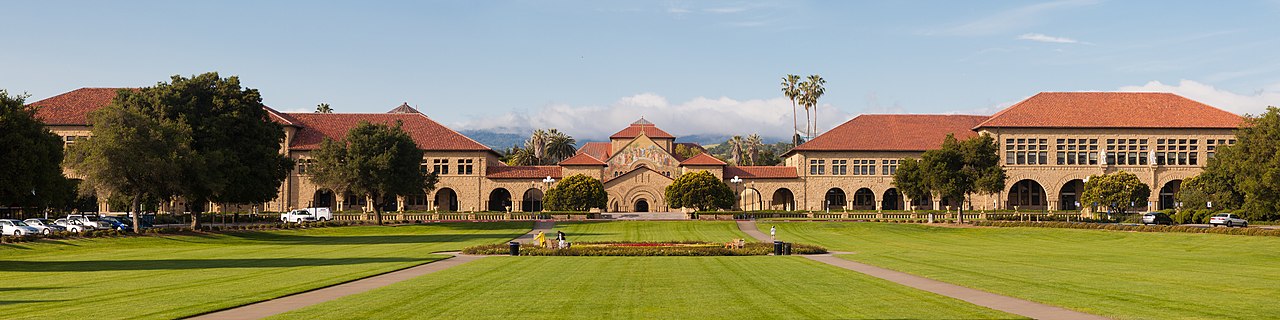
Stanford's campus is one of the largest contiguous academic campuses in the United States and combines classrooms, laboratories, museums, libraries and residential areas with open spaces, research parks and cultural sites. Academic programs are organized into multiple schools, including but not limited to:
- School of Engineering
- Graduate School of Business
- School of Medicine
- Law School
- School of Education
- School of Earth, Energy & Environmental Sciences
- School of Humanities and Sciences
In addition to degree programs, Stanford hosts professional training, continuing education, volunteer initiatives and a major teaching hospital that serves the region. The campus contains notable landmarks such as the Main Quad, Memorial Church and Hoover Tower, and it is linked to national research facilities like the SLAC National Accelerator Laboratory.
History and development
The university was opened on October 1, 1891, by Leland and Jane Stanford and named for their son, Leland Stanford Jr. Over the decades it expanded its academic offerings, facilities and research capacity. After World War II, the university played a central role in the growth of applied research and university-industry collaboration that later shaped the technology cluster now known as Silicon Valley. The institution's policies and investments in research, technology transfer and entrepreneurship helped create an ecosystem where students, faculty and alumni have founded or led many influential companies.
Research, entrepreneurship and influence
Stanford combines basic and applied research across sciences, engineering, the humanities, business and medicine. Its faculty and alumni include numerous award winners and leading scholars, and the university has been instrumental in transferring discoveries to the private sector through licensing, startups and partnerships. Nearby research parks and industry collaborations reinforce links between campus research and regional economic activity. For more on the university's role in the region, see resources about Silicon Valley and technology transfer.
Student life and public role
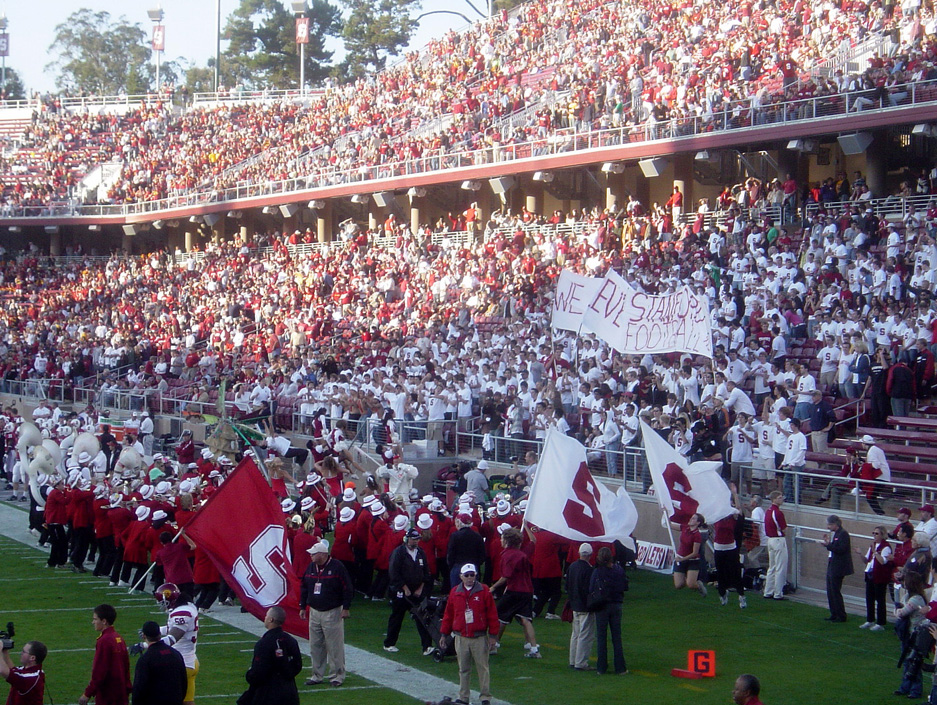
Stanford supports a residential undergraduate model, a broad array of student organizations, arts and athletics programs, and community engagement initiatives. Financial aid and fellowship programs aim to increase access and support for students from diverse backgrounds. The university also contributes to public discourse through scholarship, policy centers and outreach efforts. Visitors and prospective students can consult official campus guides and admissions resources for practical information on visiting, applying and campus services via official channels and campus maps at regional guides.
Notable facts and distinctions
Stanford is frequently compared with other leading research universities for its academic breadth, research funding and alumni impact. It maintains extensive library collections, interdisciplinary research centers and graduate professional schools. The university's location near San José and about an hour from San Francisco by road situates it at the crossroads of academic inquiry and technological innovation. For historical archives, institutional records and alumni networks, consult dedicated resources such as campus repositories and the Hoover Institution at archive resources or public information pages at institutional summaries.
This article summarizes the university's identity, organization, historical development, research and societal contributions without exhaustive detail; readers seeking specific data on enrollment, finances or program rankings should refer to primary institutional reports and authoritative publications.
Related articles
Author
AlegsaOnline.com Stanford University Leandro Alegsa
URL: https://en.alegsaonline.com/art/93349
Sources
- commons.wikimedia.org : Stanford University
- stanford.edu : "Stanford University History"
- sfgate.com : "Well-funded: Stanford's endowment purse grows fatter"
- stanford.edu : "Stanford Facts 2007 (The Stanford Faculty)"
- stanford.edu : "Stanford Facts 2007"
- pro.01net.com : Nicolas Sadirac (Epitech) : «Un diplôme d’informatique chinois aura une très grande valeur»
- asteria.fivecolleges.edu : "Mary Sheldon Barnes Papers"
- wikidata.org : wikidata.org/wiki/Q41506
- authority.bibsys.no : 90242371
- catalogo.bne.es : XX138211
- catalogue.bnf.fr : cb11884671g
- data.bnf.fr : (data)
- d-nb.info : 2885-X
- isni.org : 0000 0004 1936 8956
- id.loc.gov : n79054636