
Silicon Valley: California's Global Technology Region
Silicon Valley is the concentrated technology hub in the southern San Francisco Bay Area, known for startups, venture capital, research institutions, and major tech companies that shape global innovation.
Overview
Silicon Valley refers to the southern portion of the San Francisco Bay Area in California, United States. The name originally described companies that designed and manufactured the silicon chip components used in early computers and electronics. Over time the term expanded to cover the dense cluster of high-tech firms, venture capital investors, research labs and universities that share talent, resources and an entrepreneurial culture.
Image gallery
10 Images



Geography and Cities
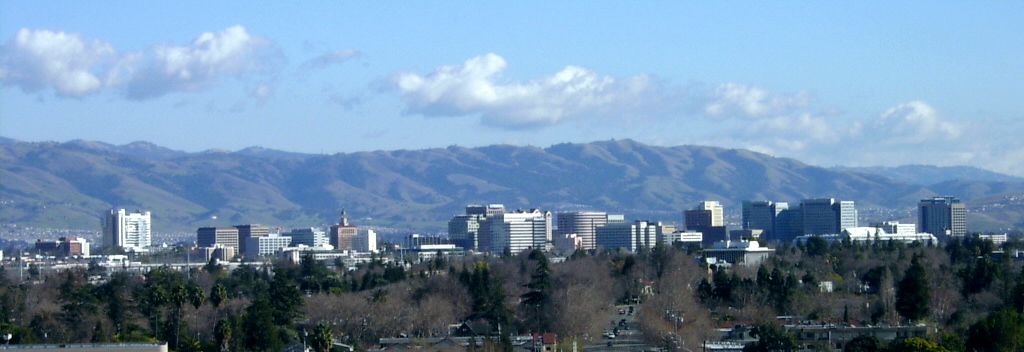
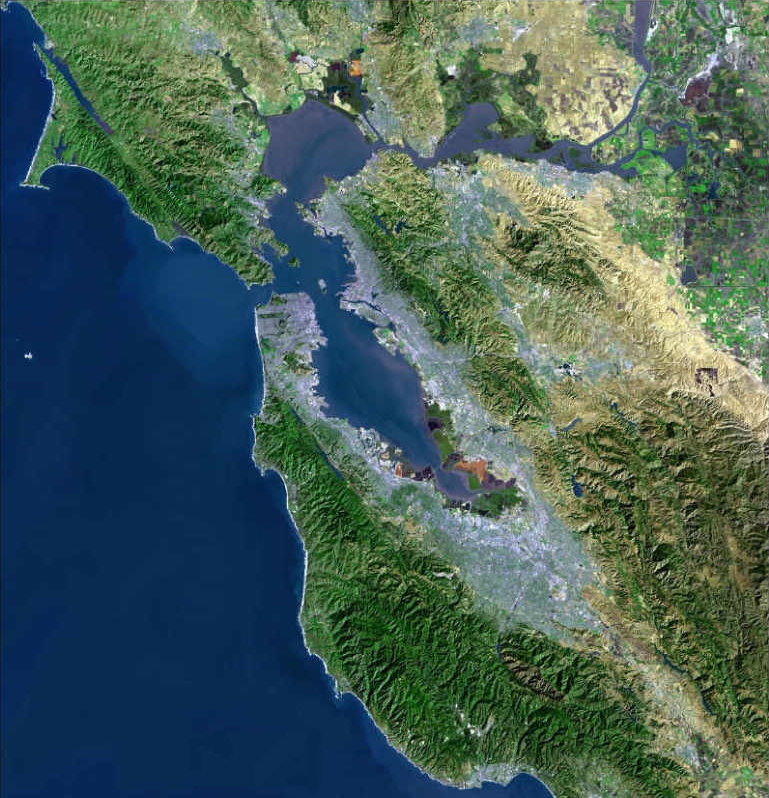
Although not a single valley in the strict geographic sense, Silicon Valley generally encompasses the northern part of the Santa Clara Valley and nearby communities on the San Francisco Peninsula and East Bay. Its boundaries are informal; common points of reference include towns and cities like Menlo Park, large suburban and urban centers such as San Jose, and cities reaching toward the East Bay areas around Fremont and Newark. The region attracts a steady flow of tourists, professionals and students drawn by its companies and campuses.
History and Development
The area grew out of a mix of academic research, military contracting, and private entrepreneurship. Universities and research institutions provided technical talent and lab facilities, while early electronics firms and component manufacturers established a local supply chain. Over decades, this ecosystem produced waves of startups and successive generations of companies, supported by venture capital, accelerators and professional services that specialize in scaling technology businesses.
Characteristics and Economy
Silicon Valley is characterized by rapid innovation cycles, dense networks of specialists, and a high concentration of both established technology companies and startups. Common features include incubators, coworking spaces, and a strong presence of venture capital funding. The economic footprint extends from hardware and semiconductor design to software platforms, cloud services, consumer internet, biotechnology and more.
- Strong university-industry links and research labs
- High mobility of talent and entrepreneurial culture
- Dense professional services in law, finance and recruiting
Influence, Uses and Examples
Technologies conceived and scaled in Silicon Valley have reshaped global communications, commerce, transportation and media. The region is a proving ground for new business models: products and services developed there often reach global markets quickly. Its companies and investors influence technology policy debates, standards, and supply chains worldwide.
Distinctions and Notable Facts
Silicon Valley stands out for its cluster effect: proximity matters because ideas, talent and capital move faster when actors are colocated. At the same time, the region faces challenges typical of dense innovation hubs, including housing affordability, traffic, and debates over the social impacts of dominant technologies. While similar tech clusters have emerged elsewhere, Silicon Valley remains a widely recognized symbol of modern tech entrepreneurship and innovation.
See also: maps and profiles of the San Francisco Bay Area and regional planning documents for the Santa Clara Valley and adjacent cities such as Menlo Park, San Jose, Fremont and Newark.
Questions and answers
Q: What is Silicon Valley?
A: Silicon Valley is the southern part of the San Francisco Bay Area in California, United States. It is a term used to refer to the high-tech sector generally.
Q: Where does Silicon Valley extend to?
A: Silicon Valley extends from Menlo Park on the Peninsula and Fremont/Newark area in the East Bay down to San Jose.
Q: What did the term originally mean?
A: The term originally meant innovators and manufacturers of silicon chips who worked in this area.
Q: Is it actually a valley?
A: No, it is not actually a valley but rather a term used to refer to the high-tech sector generally.
Q: What areas are included in Silicon Valley?
A: Silicon Valley includes the northern part of Santa Clara Valley and adjacent communities in the southern parts of the San Francisco Peninsula and East Bay.
Q: Are there many tourists visiting locations in Silicon Valley currently?
A: Yes, currently many locations in Silicon Valley are full of tourists.
Related articles
Author
AlegsaOnline.com Silicon Valley: California's Global Technology Region Leandro Alegsa
URL: https://en.alegsaonline.com/art/90404