
1891
Overview of the year 1891, a late‑19th century year marked by industrial innovation, social conflict, scientific breakthroughs, and cultural developments with lasting influence.
Overview
1891 falls in the closing decades of the 19th century, a period of rapid industrialization, urban growth and imperial expansion. Nations were consolidating modern institutions — railways, telegraph networks and factories — while scientific research and popular culture responded to the social transformations of the age. Political movements for labor rights and national reform gathered strength in many regions.
Image gallery
10 Images


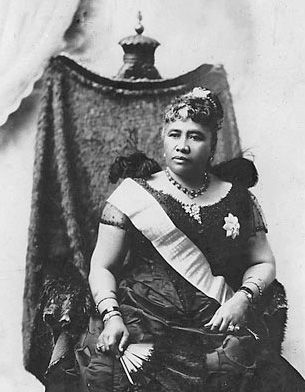
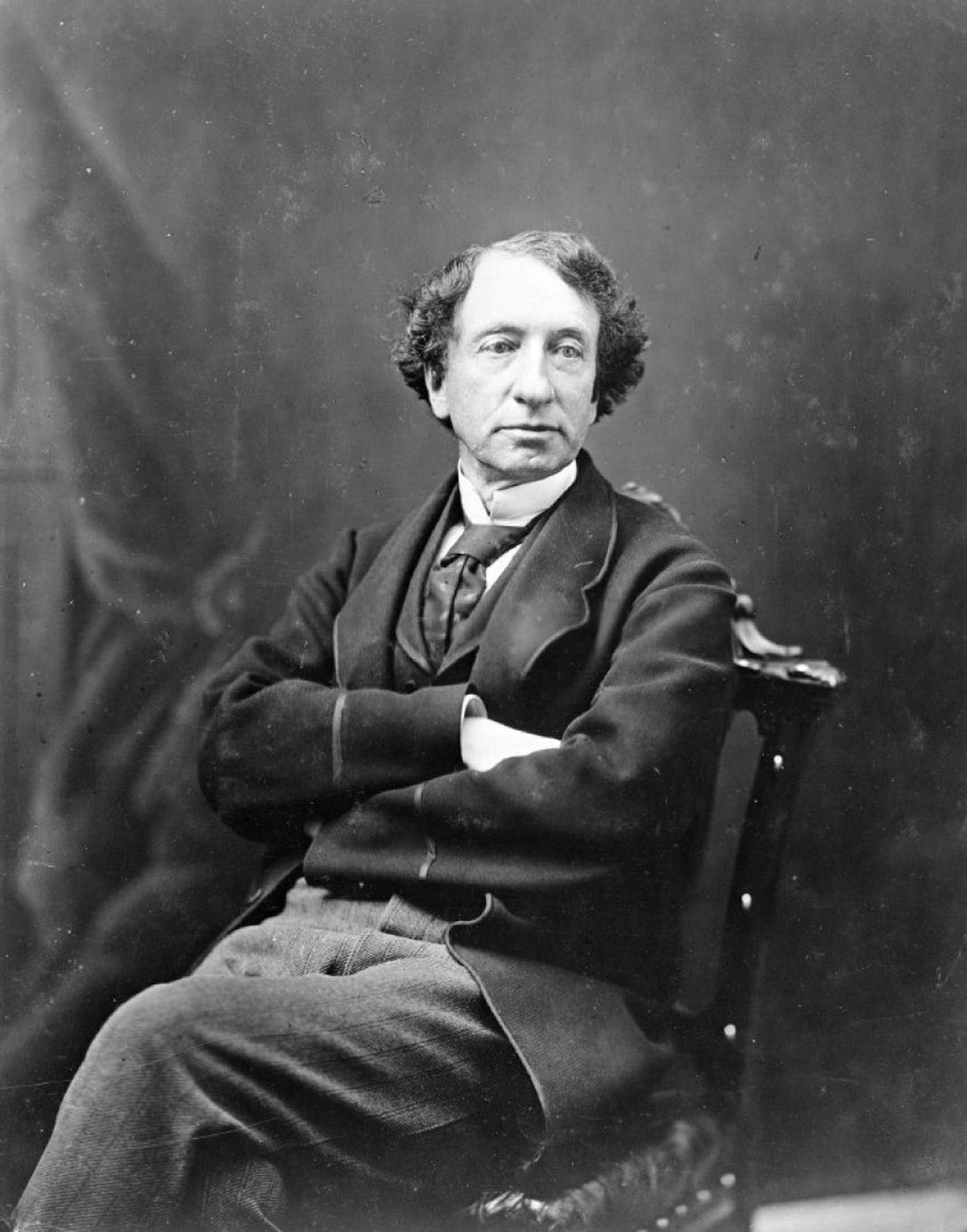


Notable events
- Sport: In December 1891, physical-education instructor James Naismith devised the game of basketball at Springfield, Massachusetts, creating a new indoor team sport that would spread internationally.
- Science and technology: Inventor Nikola Tesla developed what became known as the Tesla coil and is associated with important demonstrations of alternating‑current principles in this period; 1891 is also the year he became a naturalized U.S. citizen.
- Natural disasters: The Mino–Owari earthquake struck central Japan in October 1891, causing widespread damage and prompting advances in seismic studies and building responses.
- Labor and politics: The year saw prominent labor unrest in several countries, including a major industrial strike by Australian shearers that influenced the growth of organized labor and political representation for workers.
Across the world, the year reflected the tensions of modernization: expanding empires, rising urban working classes and accelerating scientific progress shaped public debate and government policy.
Culture and science
Literature, visual arts and music in 1891 moved between realism, symbolism and early modernist tendencies. Periodicals and new printing technologies broadened audiences for fiction and commentary. In the sciences, laboratories and universities continued to professionalize research, and electrical engineering and chemistry were among rapidly advancing fields.
Legacy
Events and innovations of 1891 contributed to developments that defined the 20th century: organized team sports, electrical engineering practices, modern labor politics and improved understanding of earthquakes. The year is remembered less for a single defining moment than for a set of developments that carried forward into later decades.
Questions and answers
Q: What happened in 1891?
A: The text only states "1891" and does not provide any additional information.
Q: Can you provide more context about what happened in 1891?
A: No, the text only provides the year 1891 and no additional information.
Q: Is there any significance to the year 1891?
A: The text does not indicate any significance to the year 1891.
Q: Does the text provide any historical events from 1891?
A: No, the text does not provide any historical events from 1891.
Q: Was there any notable person born or died in 1891?
A: The text does not mention any notable person being born or dying in 1891.
Q: Can you describe what life was like in 1891?
A: The text does not provide any information about what life was like in 1891.
Q: Is there any other relevant information related to 1891 in the text?
A: No, the text only consists of the year 1891 and no additional information.
Author
AlegsaOnline.com 1891 Leandro Alegsa
URL: https://en.alegsaonline.com/art/111865