
Leland Stanford: Railroad Entrepreneur, Politician, and Founder of Stanford University
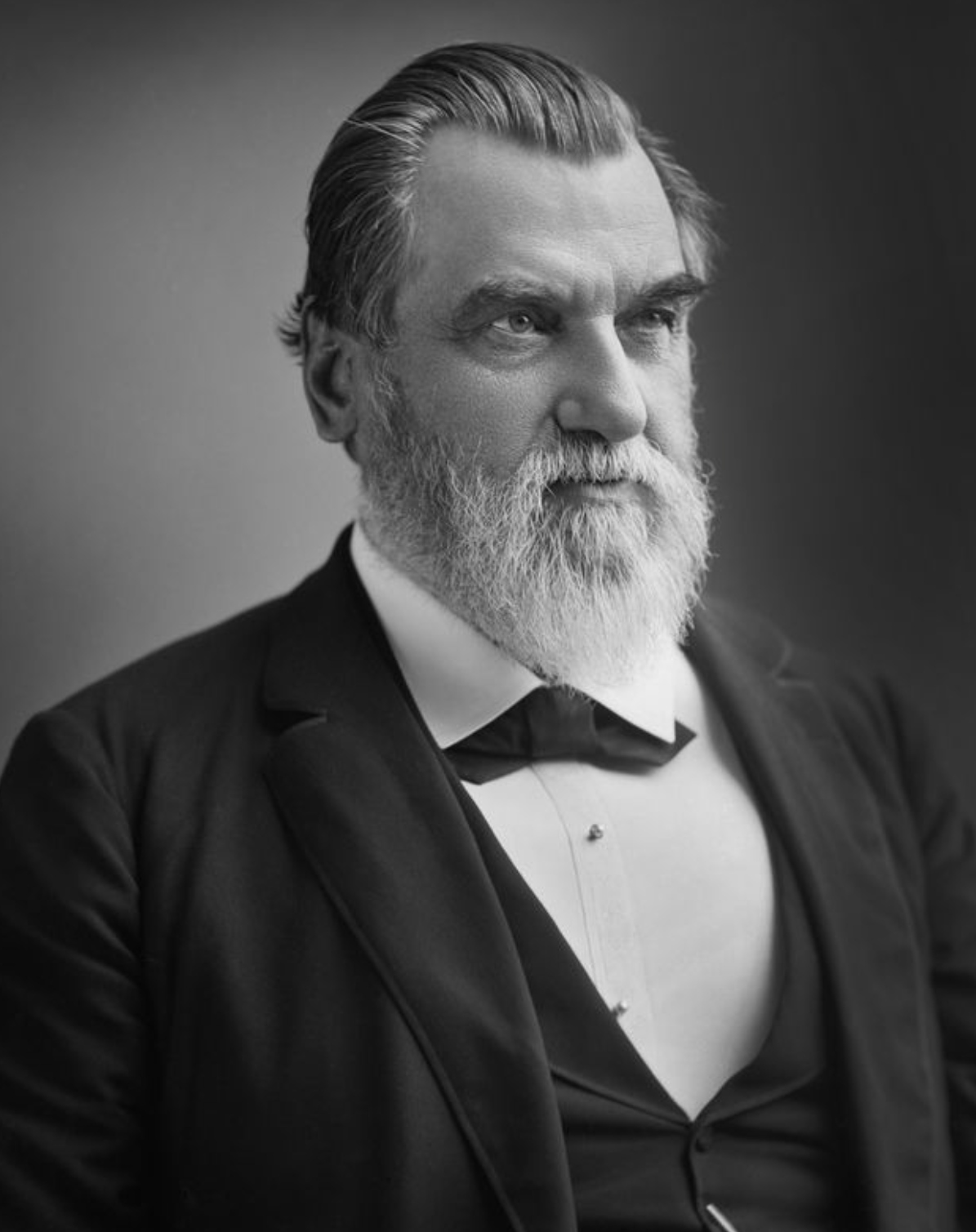
Biography of Amasa Leland Stanford (1824–1893): merchant, head of the Central Pacific Railroad, California governor and U.S. senator, founder of Stanford University, and a figure of contested legacy.
Amasa Leland Stanford (March 9, 1824 – June 21, 1893) was an American merchant, industrialist and politician whose activities shaped 19th‑century California. He rose from storekeeper to one of the leading figures in the construction of the First Transcontinental Railroad and later used his wealth and influence in public office and philanthropy. Stanford and his wife, Jane Lathrop Stanford, founded Stanford University in 1885; the university remains a central part of his public legacy. His life combined entrepreneurship, partisan politics, and philanthropy, and it has been reassessed because of his political positions and attitudes toward race.
Image gallery
10 Images






Early career and the rise in California
Stanford moved to California during the 1850s, where he and his brothers operated a successful mercantile business selling tools and equipment to miners and settlers. He became part of a group of Sacramento businessmen who styled themselves “The Associates.” That partnership — commonly known as the "Big Four" and including Charles Crocker, Mark Hopkins and Collis P. Huntington — organized capital and direction for the Central Pacific Railroad. Stanford served as the corporation’s president and used his commercial background to manage contracts, finance and political relationships essential to railroad construction.
Railroads, business organization, and impact
The Central Pacific Railroad built eastward from California while the Union Pacific built west, meeting at Promontory Summit in 1869. Stanford’s leadership in the Central Pacific and later association with the Southern Pacific system helped transform transportation, commerce and settlement patterns across the American West. His business roles combined corporate management, lobbying for favorable legislation and coordination of vast labor forces — including thousands of immigrant railroad workers.
Political career and public service
Stanford served one two‑year term as Governor of California after his election in 1861 and later represented California in the United States Senate for eight years. His political influence reinforced his commercial projects: railroad charters, land grants and state support for infrastructure were areas where his private interests and public positions intersected. Records of his legislative and executive activities are available in contemporary archives and collections of primary sources documents and records.
Founding Stanford University and philanthropy
Following the death of their only son, Leland Stanford Jr., the Stanfords established a university in his memory. Opened in 1891, Stanford University was conceived as a coeducational, nonsectarian institution combining liberal and practical education. Jane Stanford played an especially active role in the university’s early years after Leland’s death, overseeing construction, governance and endowments. The institution’s continuing educational and research influence is one of the most visible parts of Stanford’s legacy.
Views, controversies, and historical assessment
Stanford’s record also includes public statements and political positions that reflected and promoted exclusionary attitudes of his era. He supported political measures that restricted immigration and civil equality for certain groups, and contemporaries recorded explicit racist sentiments in some of his writings and speeches. Historians note that these views influenced both his political advocacy and the corporate culture of the railroads. Debates about monuments, building names and institutional commemoration have led scholars and communities to reassess how to present Stanford’s accomplishments alongside the harm caused by racist policies and labor practices.
Notable aspects and further reading
- Business partnership: Member and president of the Central Pacific Railroad, part of the group often called the "Big Four." Contemporary business reports document corporate activities.
- Political roles: Governor of California and later U.S. Senator; his political work intersected with railroad interests. See legislative records for details.
- Philanthropy: Co‑founder of Stanford University, created in memory of his son and shaped by Jane Stanford’s stewardship.
- Contested legacy: Scholars have examined his attitudes toward race and the treatment of immigrant laborers; discussions and archival materials are accessible through research libraries and digital collections on California history and primary source compilations.
Understanding Leland Stanford requires balancing his role in building transportation infrastructure and an enduring educational institution against the social and political consequences of his policies and rhetoric. Both achievements and controversies continue to inform public discussion about how historical figures are remembered and how institutions address complex pasts.
Related articles
Author
AlegsaOnline.com Leland Stanford: Railroad Entrepreneur, Politician, and Founder of Stanford University Leandro Alegsa
URL: https://en.alegsaonline.com/art/124188