
Sportsperson: definition, roles, and distinctions
A sportsperson is someone actively involved in sport — as a competitor, promoter, professional or amateur. This article explains meanings, types, common characteristics, history and related terms.
A sportsperson is a person who participates in, promotes, or represents organized sporting activity. The label covers a broad range of people: those who train and compete, individuals who play for recreation, and former competitors who continue to support or administer a sport. Use of the word emphasizes a connection to physical contest, skill display, or sporting culture rather than any single level of achievement.
Image gallery
8 Images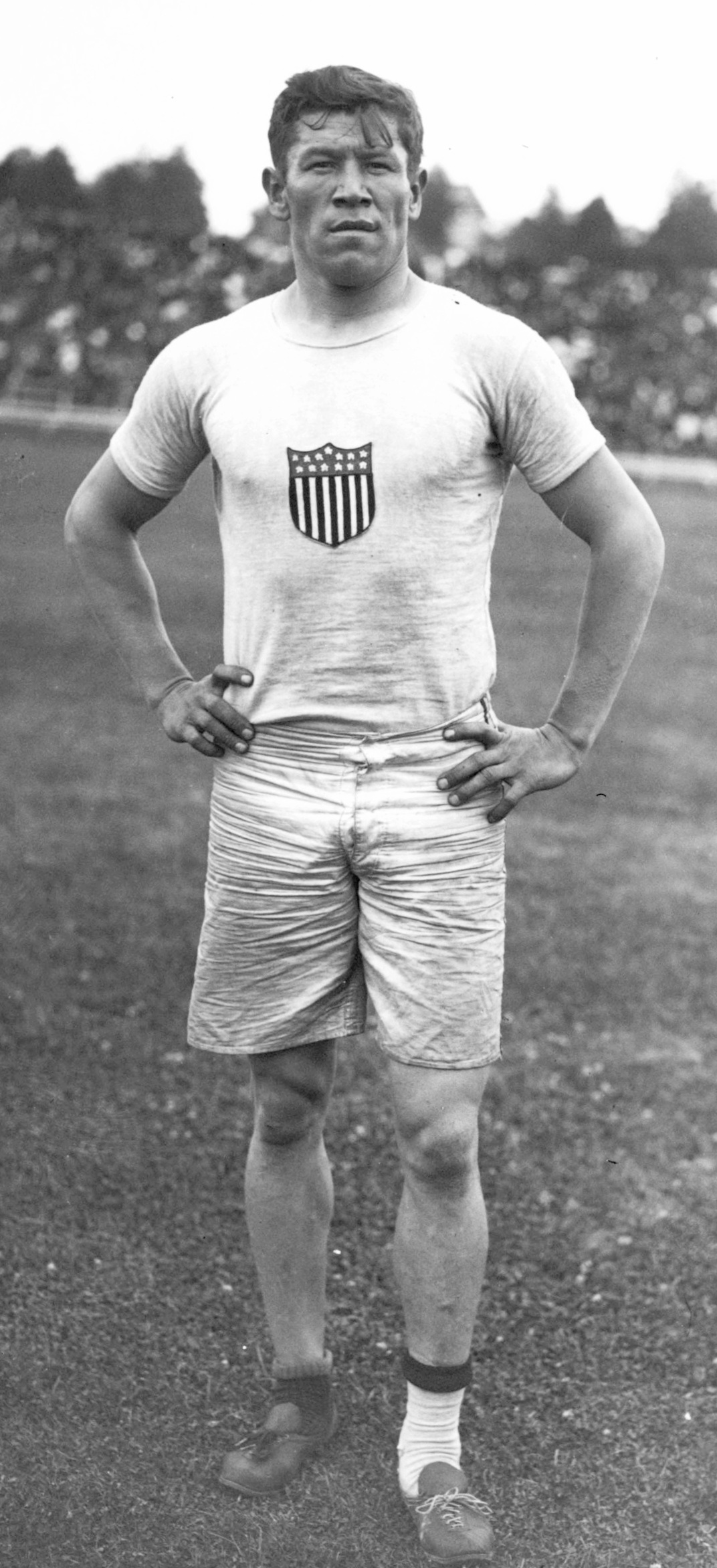


Overview and meanings
In general usage a sportsperson may be male or female and can be described as a sportsman or sportswoman. The term can refer to someone who actively competes in events that test strength, speed, endurance, coordination or tactical skill, but it also extends to those who foster or promote sport in other roles. For a concise reference to the activity itself, writers often link to a definition of sport when explaining what constitutes a sportsperson.
Common characteristics
- Training: Many sportspeople follow regular physical and technical training regimes and manage diet and recovery to maintain performance.
- Competition: They may enter local, regional, national or international contests; some specialise in individual events while others join teams.
- Conduct: The word "sportsman" historically carries an emphasis on fair play and respect for opponents, a concept often called sportsmanship.
Types, roles and status
Sportspeople appear in different roles and under different statuses. Professionals earn income from their sport and related activities, while amateurs participate without primary financial reward. Both categories may include active competitors, coaches, officials and administrators. Examples of varied careers include an athlete who competes in events, a retired competitor who becomes an organiser, and public figures who promote participation and education in sport.
- Professional: participates as a paid occupation; see professional.
- Amateur: competes without payment or outside the professional circuit; see amateur.
- Promoter/Official: former competitors or administrators who advance the sport; notable examples include administrators who serve on national committees or international bodies.
Terminology and distinctions
Related words are used with overlapping but distinct connotations. "Athlete" is often used as a synonym for sportsperson, but in some varieties of English it has narrower senses: it may suggest participants in athletics (track and field) or broadly those engaged in physical sports. For discussion of this usage see athlete. The term "sportsman" can be applied more loosely to hobbyists (for example, recreational fishers) as well as to professional competitors.
Language and regional practice affect how terms are applied. For instance, different varieties such as British English and other Commonwealth forms (Commonwealth English) sometimes reserve "athlete" for specific events, while other speakers use it interchangeably with "sportsperson."
History, examples and public roles
The modern concept of the sportsperson developed alongside organised competitions and international events. Some notable figures illustrate later-life roles: an individual who competed in Olympic events and later served on national or international committees exemplifies the transition from competitor to administrator; an example often cited in discussions of post-competition careers is Tsunekazu Takeda, who combined athletic participation and later administrative service in Olympic governance (T. Takeda, linked to the Summer Olympic Games and the work of the IOC).
Recognition is not limited to physically dominant sports: outstanding performers in non-Olympic disciplines have been honored as leading sportspeople, as in the case of chess grandmasters such as Hou Yifan, who received public recognition in 2011 for achievements in a non-Olympic competitive discipline (Hou Yifan).
Why the distinction matters
Understanding who is meant by "sportsperson" helps clarify policy, funding, media coverage and cultural recognition. Distinctions between amateur and professional status affect eligibility for events, while the overlap with related terms such as "athlete" or "sportsman" influences how sports are reported and governed. For additional context on these uses and classifications, readers can consult entries on the linked topics: sport, professional, amateur, and terminology pages such as athlete.
Questions and answers
Q: What is a sportsperson?
A: A sportsperson is someone who is involved in sports, either as a competitor or someone who promotes athletic activities. They can be male or female and may be professional or amateur.
Q: What does the term "sportsman" mean?
A: The term "sportsman" refers to someone who plays sport in a way that shows respect and fairness towards the opposing player or team. It can also refer to former competitors who continue to promote the sport even after they have stopped competing.
Q: Who is Tsunekazu Takeda?
A: Tsunekazu Takeda is an example of a sportsman; he competed in two Summer Olympic Games and was later elected to the International Olympic Committee (IOC) in 2012. He has been promoting sport for many years.
Q: How do sportspeople obtain well-developed physiques?
A: Sportspeople often have particularly well-developed physiques obtained by extensive physical training and strict exercise accompanied by a strict dietary regimen.
Q: Who was honored as the best sportsperson of the year in 2011?
A: Hou Yifan was honored as the best sportsperson of the year in 2011 for her achievements in non-Olympic events.
Q: Is an athlete synonymous with a sportsperson?
A: While athlete may be used as a synonym for sportspeople, it usually has connotations of people who compete in team sports rather than other sporting types such as horse riding and driving. For example, while a fisherman may be called a sportsman, they would not usually be referred to as an athlete.
Q: What does athlete mean when used specifically within British English? A: When used specifically within British English, athlete usually means people who compete in traditional athletics (track and field) events
Related articles
Author
AlegsaOnline.com Sportsperson: definition, roles, and distinctions Leandro Alegsa
URL: https://en.alegsaonline.com/art/92818
Sources
- oald8.oxfordlearnersdictionaries.com : Sportsman
- nytimes.com : "Prince Bertil, 84, Swedish Sportsman,"
- dictionary.cambridge.org : Sportsman
- sports-reference.com : Tsunekazu Takeda
- reuters.com : "Olympics-Japan chief Takeda elected to IOC,"
- olympic.org : "IOC Session votes on new members and Executive Board positions"
- safesport.co.uk : "From Amateur to Professional Sportsman"
- fide.com : "Women's World Champion Yifan Hou - Sportsperson of the Year in China,"