
International Olympic Committee
The International Olympic Committee (IOC) is the non-governmental organization that oversees the Olympic Movement, organizes the Olympic Games, and promotes sport worldwide.
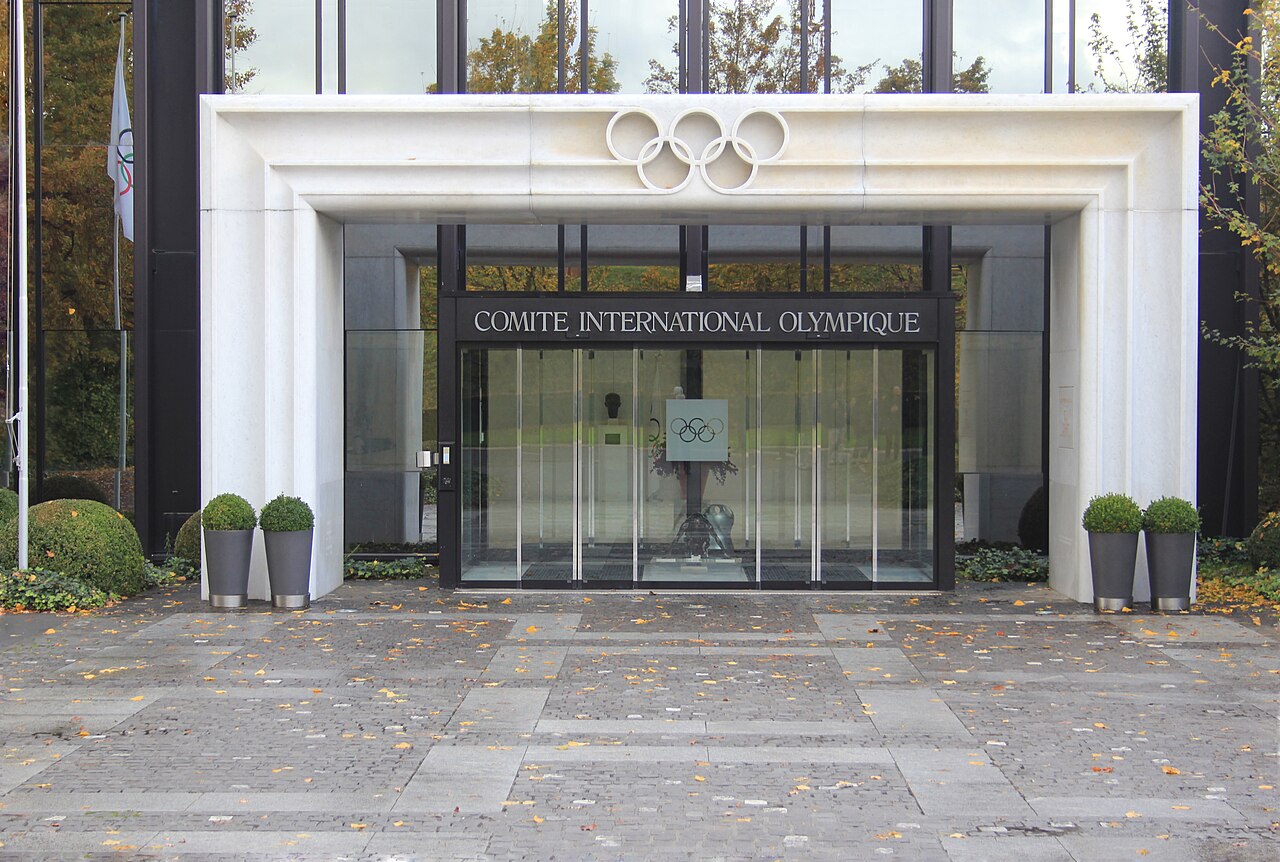
The International Olympic Committee (IOC) is the organization responsible for the global Olympic Movement and for supervising the modern Olympic Games. Its official French name is Comité international olympique. The IOC is headquartered in Lausanne, Switzerland. It was created by Pierre de Coubertin together with other founders on June 23 of 1894 with the aim of reviving elements of the Ancient Olympic Games from Greece and promoting international sport and cooperation.
Image gallery
5 Images



Structure and membership
The IOC is an international, non-governmental, non-profit association. It brings together individual members, representatives of National Olympic Committees (NOCs) and International Federations (IFs), and works with Organizing Committees for the Olympic Games. The IOC recognizes more than 200 NOCs worldwide, which represent national teams and athletes within the Olympic Movement. Decisions are guided by the Olympic Charter, a set of rules and principles that defines the organization, role and mission of the IOC and affiliated bodies.
Functions and activities
The IOC has several core responsibilities that sustain the Olympic Games and broader sporting values. These include:
- Selecting host cities for the Summer and Winter Olympic Games and overseeing the bidding and preparation processes.
- Setting and enforcing the Olympic Charter, including eligibility and competition rules in coordination with IFs and NOCs.
- Promoting Olympism — the movement that combines sport with education and culture — through funding, education programs and development grants such as Olympic Solidarity.
- Working on integrity and fairness in sport, including efforts to combat doping and corruption in partnership with other bodies.
History and development
The IOC emerged from a late‑19th century effort to revive ancient Greek athletic traditions for modern international competition. The first modern Olympic Games were staged in 1896, and the movement expanded over the 20th century to include winter sports, youth events and a growing number of disciplines. Over time the IOC evolved from a small committee to a complex organization interacting with governments, sports federations, broadcasters and sponsors.
Criticism, reform and governance
Throughout its history the IOC has been praised for uniting diverse nations through sport but has also faced criticism. Concerns have included the rising cost and complexity of hosting the Games, doping scandals, and allegations about the transparency of host-city selection. These issues prompted governance reforms, stronger ethics rules and cooperative initiatives with independent bodies to improve oversight and athlete protection.
Symbols, legacy and importance
The IOC is central to several enduring symbols of the Olympic Movement, such as the five-ring emblem and the torch relay. Beyond staging the Olympic Games, its work influences international sports development, promotes volunteerism and helps fund athletic programs in nations with fewer resources. The IOC continues to adapt to changing expectations about sustainability, inclusion and athlete welfare while seeking to keep sport a force for peaceful international engagement.
For more information, consult the IOC's official sources and historical accounts that detail the organization's evolving role in world sport.
Questions and answers
Q: What does IOC stand for?
A: IOC stands for International Olympic Committee.
Q: Who created the IOC?
A: The IOC was created by Pierre de Coubertin and Demetrios Vikelas.
Q: When was the IOC created?
A: The IOC was created on June 23, 1894.
Q: What was the purpose of creating the IOC?
A: The purpose of creating the IOC was to reinstate the Ancient Olympic Games held in Greece between 776 BC to 393 AD.
Q: Where is the IOC based?
A: The IOC is based in Lausanne, Switzerland.
Q: How many National Olympic Committees are members of the IOC?
A: The IOC has 203 National Olympic Committee members.
Q: What is the role of the IOC?
A: The role of the IOC is to support and promote participation in sports throughout the world.
Related articles
Author
AlegsaOnline.com International Olympic Committee Leandro Alegsa
URL: https://en.alegsaonline.com/art/47673
Sources
- olympic.org : Factsheet, p. 1
- olympic.org : Juan Antonio Samaranch
- olympic.org : Count Jacques Rogge