
Hou Yifan: Chinese Chess Grandmaster and Former Women's World Champion
Hou Yifan (born 1994) is a Chinese chess grandmaster and former Women's World Champion noted for her rapid rise as a prodigy, high-level results in open events, and influence on modern women's chess.
Overview
Hou Yifan is a Chinese chess player who rose to international prominence as a teenage prodigy. Born in 1994 in Jiangsu province, she became one of the youngest players to compete at the highest levels of the game and won the Women's World Chess Championship while still in her teens. Hou has combined success in events restricted to women with strong performances in open tournaments, earning recognition both for her results and for challenging expectations about gender and competition in chess. For general context about the sport in which she made her career, see chess and the role of elite players.
Image gallery
6 Images

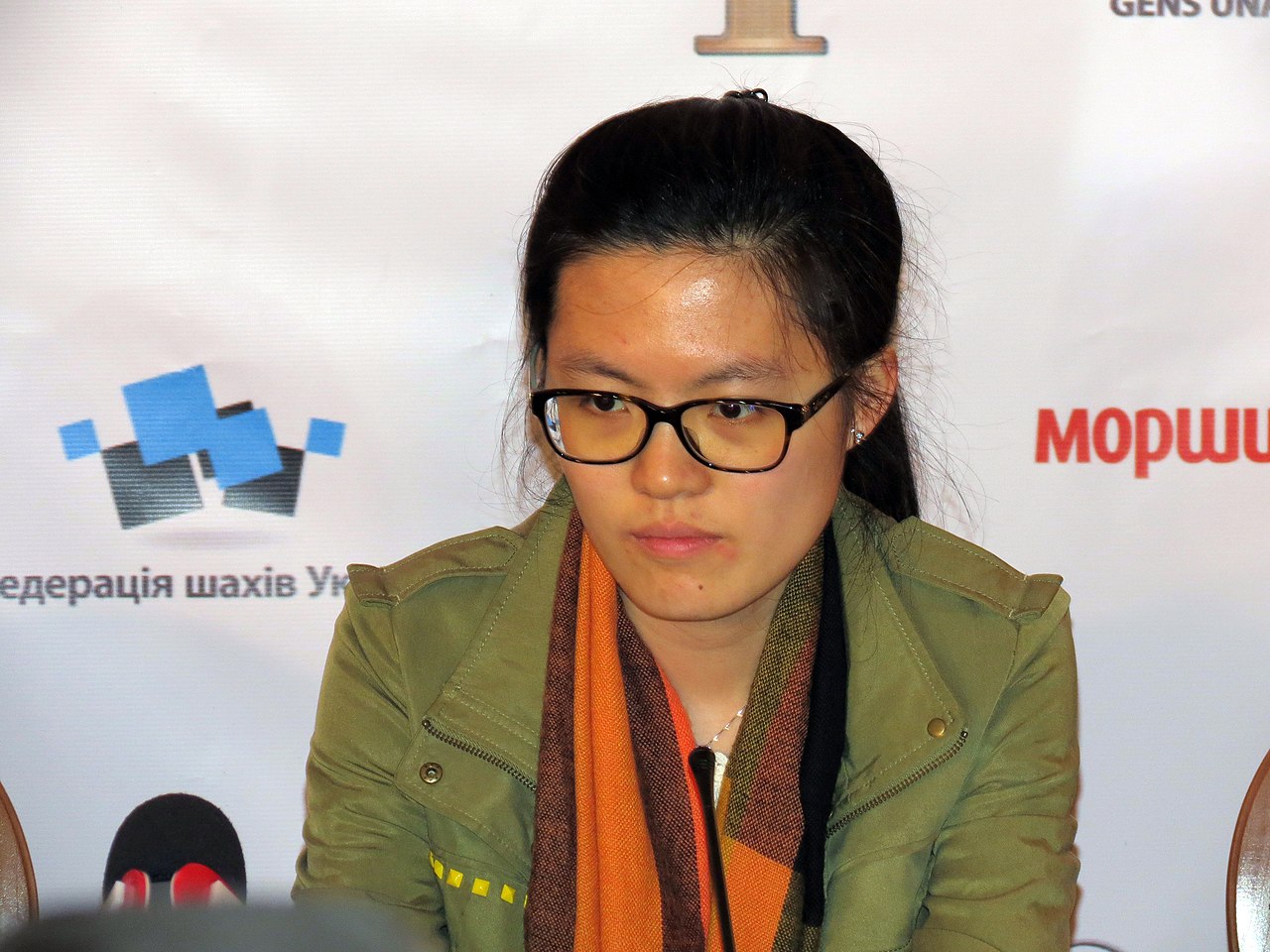


Early career and rapid development
Hou's rise was rapid and public. As a child and early teenager she represented China on major stages, including the global team event known as the Chess Olympiad, where she played at the 2006 edition in Turin. National successes followed: she won age-group events and national championships at unusually young ages, establishing her as a leading talent within China's deep pipeline of young players. Her breakthrough on the world scene came with the 2010 Women's World Chess Championship, held in Hatay, Turkey, where she secured the title and became the youngest woman to do so at that time.
Major titles and tournament achievements
Hou defended her world title in a 2011 championship match against Koneru Humpy, confirming her position among the top women players of her generation. Beyond women-only competition, she has achieved notable results in mixed and open fields. Her performances earned her high marks on official lists: she figures prominently in lists maintained by FIDE and has been cited among the relatively small group of women to exceed a 2600 rating, a benchmark of elite strength.
Highlights from open events include a shared first place at the Gibraltar tournament in 2012, where she finished alongside experienced grandmasters. That event featured many top names and produced notable individual game results for Hou, including a win against Judit Polgar and strong results versus players such as Nigel Short, Michael Adams and Shakhriyar Mamedyarov. Her prize finish in Gibraltar and similar open-events signaled her capacity to compete with—and often defeat—established male grandmasters.
Playing style, approach and significance
Observers describe Hou as a player with a universal style that blends solid positional understanding, tactical sharpness, and practical preparation. She has shown an ability to adapt to different formats: classical match play in world championships, long Swiss-system tournaments, and faster time controls used to decide ties. Her willingness to play predominantly in open events rather than exclusively in women-only tournaments has been part of a wider conversation about opportunities and incentives for top women players.
Notable matches, rivals and distinctions
- World Championship: Winner in 2010; defended the title in 2011.
- Early international representation: Competed at the Chess Olympiad (2006 Turin).
- Open-event breakthrough: Joint first at Gibraltar (2012), with important victories against leading grandmasters such as Judit Polgar and others including Alexei Shirov.
- Recognition: Listed among the few women to surpass a 2600 rating and acknowledged in national awards for non-Olympic athletes.
Beyond match results, Hou's career is frequently discussed in comparison with other leading women in chess, including former world-class figures such as Susan Polgar. Her competitive choices and results have contributed to debates about mixed competition, the structure of women-only events, and the pathways young talents follow from national youth training to global professional chess.
Legacy and ongoing relevance
While still relatively young, Hou Yifan's combination of early world titles and strong open-event performances has left a lasting mark on contemporary chess. She remains a reference point for discussions about talent identification, training systems, and the international mobility of top players from youth ranks into adult professional life. Her games continue to be studied by students of the game, and her career serves as a prominent example of how a female player can succeed at the very highest levels of chess.
For further factual listings of tournaments and ratings consult official sources and tournament archives from national federations and international bodies such as FIDE; detailed tournament reports are available for events like the Gibraltar festival and historic matches involving figures such as Nigel Short, Michael Adams, and Shakhriyar Mamedyarov.
Questions and answers
Q: What is Yifan Hou's date of birth?
A: Yifan Hou was born on 27 February 1994.
Q: Where was Yifan Hou born?
A: Yifan Hou was born in Xinghua, Taizhou, Jiangsu, China.
Q: How old was Yifan when she became the youngest player ever to take part in the Women's World Championship and the Chess Olympiad (Turin 2006)?
A: When she took part in the Women's World Championship and the Chess Olympiad (Turin 2006), Yifan was 12 years old.
Q: What title did Yifan win in 2010?
A: In 2010, Yifan won the title of Women's World Chess Champion.
Q: What is her FIDE rating as of January 2012?
A: As of January 2012, her FIDE rating is ranked as #1 girl player in the world, #2 female player, #10 junior player and #3 player aged 17 or under.
Q: Who did she beat at Gibraltar chess tournament in January 2012?
A: At Gibraltar chess tournament in January 2012, she beat Judit Polgar and also Alexei Shirov, Zoltan Almasi and Le Quang Liem.
Q: Has there been talk about a match between Polgar and Hou?
A: Yes , there has been talk about a match between Polgar and Hou which would be "interesting".
Author
AlegsaOnline.com Hou Yifan: Chinese Chess Grandmaster and Former Women's World Champion Leandro Alegsa
URL: https://en.alegsaonline.com/art/133167