
Squat — exercise, movement pattern, and cultural posture
A clear overview of the squat: its forms, the muscles and structures involved, historical and cultural contexts, common variations, benefits and safety considerations.
Overview
The squat is both a fundamental human posture and a widely practised exercise. As a movement, it involves bending the hips and knees to lower the body and then returning to standing. It appears in many traditional dances and ceremonies — see examples in folk dance — and is a cornerstone of strength training in sports such as powerlifting and bodybuilding. The term also describes everyday postures used for resting or working close to the ground.

Image gallery
10 Images



Muscles and structures involved
Squats engage multiple muscle groups and connective tissues. Primary movers include the quadriceps, hamstrings and gluteal muscles, while the lower back and core stabilize the trunk. The action also loads bones and supportive tissues: regular, appropriately loaded squatting influences bone strength and stimulates ligaments and tendon attachments. For a focused discussion on muscular anatomy, see muscle groups and related resources on thigh and hip musculature. The role of ligaments and tendon insertions is important for joint stability and safe progression.
History and development
Squatting as a posture dates back to pre-industrial daily life and appears across many cultures, both in work and ritual contexts. As a formal exercise, its systematic use grew with modern weight training and competitive lifting, where variations are standardized and studied for performance and safety. Recreational classes and group sessions have also adopted squat patterns for conditioning and mobility work.
Uses, benefits and examples
- Strength and power development for athletic performance.
- Improved functional mobility for tasks such as rising from a lower level.
- Bone and joint conditioning when performed progressively.
- Integration into rehabilitation programs under professional supervision.
Many training programs include squats in different forms to emphasize strength, endurance or mobility. Group fitness and calisthenics classes often use split and side variations for unilateral work; an example of group practice is shown in calisthenics sessions. Images and tutorials frequently illustrate common forms.

Variations and safety considerations
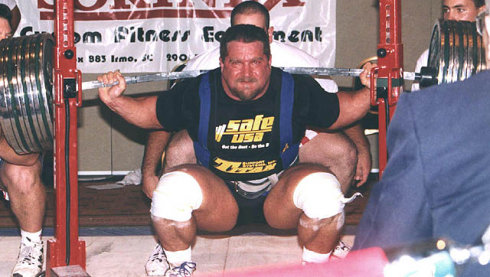
Common variants include back squat, front squat, goblet squat, split squat and single-leg (pistol) squat. Depth, feet position and load determine which muscles are emphasized and how much stress passes through joints. Key safety points are progressive loading, maintaining a neutral spine, appropriate footwear and attention to individual mobility limits. When squatting for performance, technique and coaching are essential — for competitive contexts see resources on powerlifting and strength sport methodology.
Notable distinctions
Different uses of the word "squat" can lead to confusion: it may refer to a static resting posture, a dance move, or a resisted strength exercise. Distinctions commonly discussed include partial versus full-depth squats and bilateral versus unilateral variations. Choosing an approach depends on goals, physical capacity and practitioner guidance.
For general reading and demonstrations, consult introductory guides and anatomy references linked above and seek professional instruction for loaded or rehabilitative practices.
Questions and answers
Q: What is a squat?
A: A squat is an exercise that strengthens the muscles of the thighs, hips and buttocks, as well as the bones, ligaments and insertion of the tendons throughout the lower body. It is also a renowned element of many folk dances.
Q: How does squatting help with dancing?
A: Squatting on tips can be used as a dance exercise to increase flexibility and strength in order to improve one's performance.
Q: What type of split squat is mentioned in the text?
A: The text mentions side split squats at a group calisthenics.
Q: What are some benefits of doing squats?
A: Doing squats can help strengthen your lower body muscles, improve balance and coordination, increase flexibility, and build endurance.
Q: Are there any risks associated with performing squats?
A: Yes, if done incorrectly or with too much weight it can lead to injury such as knee or back pain. Therefore it is important to use proper form when performing this exercise.
Q: Is there any special equipment needed for doing squats?
A: No special equipment is needed for performing basic squats; however weighted barbells or dumbbells may be used for more advanced exercises.
Q: Who should do squats?
A: Squats can be beneficial for anyone looking to strengthen their lower body muscles; however they should not be performed by individuals who have existing injuries or medical conditions without consulting their doctor first.
Related articles
Author
AlegsaOnline.com Squat — exercise, movement pattern, and cultural posture Leandro Alegsa
URL: https://en.alegsaonline.com/art/92946
Sources
- books.google.com : 120
- journal.crossfit.com : CrossFit Journal July, 2007
- books.google.com : Starting Strength,