
Sports in India: Traditions, Development, and the Contemporary Scene
An overview of sports in India covering traditional games, introduced sports, organizations, cultural importance, achievements, and contemporary challenges and trends.
Sports form an integral part of life and culture across India, blending ancient local traditions with global modern disciplines. Participation ranges from village games played for generations to national professional leagues and international competitions. Spectatorship and grassroots involvement are both significant, and different regions preserve distinctive sporting customs alongside widely followed national favorites.
Image gallery
1 Image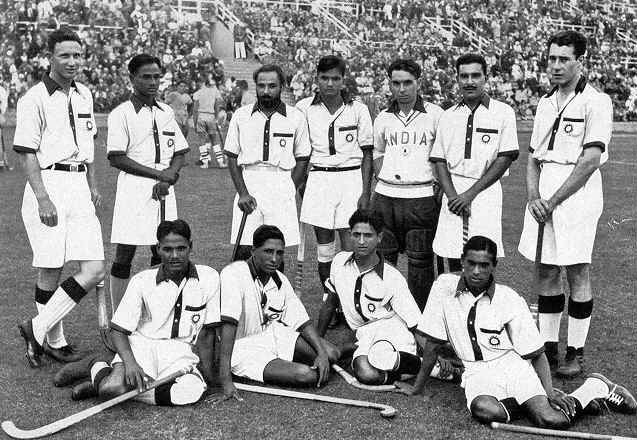
Traditional and indigenous games
India has a long history of indigenous sports that remain popular in many communities and at cultural events. These activities often emphasize agility, teamwork, combat skills or folk entertainment and are sometimes promoted as part of heritage and physical education.
- Kabaddi — a contact team sport with deep roots in rural India and regional tournaments in many states.
- Kho-kho — a tag-based team game traditionally played in schools and local competitions.
- Pehlwani — a traditional form of wrestling often practised in akharas; see pehlwani for more context.
- Gilli-danda — a bat-and-ball rural game similar in spirit to street or informal games; see gilli-danda.
Introduced and global sports
During and after colonial contact, a range of Western-origin sports became established in India. Several of these now have organized national bodies, professional leagues, and international success stories.
- Cricket — the most followed team sport nationally, organised professionally with high-profile domestic and international competitions.
- Football — popular in specific regions with a growing professional scene.
- Field hockey — historically significant with notable international achievements.
- Tennis, golf, squash, boxing and rugby union are also played at competitive levels, while cue sports like snooker and billiards have produced prominent players.
Most of these sports operate under national federations and clubs, with talent development conducted through school programmes, state academies and private coaching. Professionalisation in several disciplines has increased media coverage and corporate sponsorship, creating pathways for athletes to compete internationally.
India's sporting landscape is marked by notable achievements at continental and global events and a growing emphasis on women’s participation and youth development. At the same time, common challenges include uneven infrastructure, the need for improved coaching and governance reforms. Policymakers, federations and private stakeholders continue to invest in facilities, talent scouting and athlete support to broaden access and improve international competitiveness.
Questions and answers
Q: What are traditional sports in India?
A: India has traditional sports such as kabbadi, kho kho, pehlwani, and gilli-danda.
Q: What are some sports that were imported from the West in India?
A: Some of the sports imported from the West in India are football, rugby union, cricket, golf, tennis, squash, hockey, Javelin throw, boxing, snooker, and billiards.
Q: Are sports popular in India?
A: Yes, sports are popular in India with both participants and onlookers.
Q: What is kabaddi?
A: Kabaddi is a traditional contact sport in which players try to touch or tag the opponents and get back to their side of the court without getting caught.
Q: What is cricket?
A: Cricket is a popular sport in India, played with a bat and a ball, in which two teams of eleven players each compete to score runs by hitting the ball and running between two wickets.
Q: Which sports have been imported from the West in India?
A: Football, rugby union, cricket, golf, tennis, squash, hockey, Javelin throw, boxing, snooker, and billiards are some of the sports imported from the West in India.
Q: What is hockey in India?
A: Hockey is a popular sport in India, played with a stick and a ball, in which two teams of eleven players each compete to score goals by hitting the ball into the opponent's goal post.
Related articles
Author
AlegsaOnline.com Sports in India: Traditions, Development, and the Contemporary Scene Leandro Alegsa
URL: https://en.alegsaonline.com/art/92812
Sources
- books.google.com : A Companion to Sanskrit Literature, p. 768
- books.google.com : Cultural History of Modern India, p. xvii
- books.google.com : Pop Culture India!: Media, Arts, And Lifestyle, p. 166
- sports-reference.com : "India"
- nytimes.com : " With India’s First Gold, Suddenly a Billion People Notice the Olympics,"