
Human spleen: anatomy, immune functions, and clinical significance
Comprehensive overview of the human spleen: location and structure, immune surveillance, blood filtration and storage, common disorders, trauma risks, splenectomy implications and preventive care.
The spleen is an organ found in vertebrate animals. It is considered part of the lymphatic system and plays roles that connect immunity and blood maintenance. In humans the spleen sits in the left upper part of the abdomen, tucked beneath the left side of the diaphragm and protected by the lower ribs; it is distinct from the heart, which occupies the chest cavity above the diaphragm.
Image gallery
10 Images


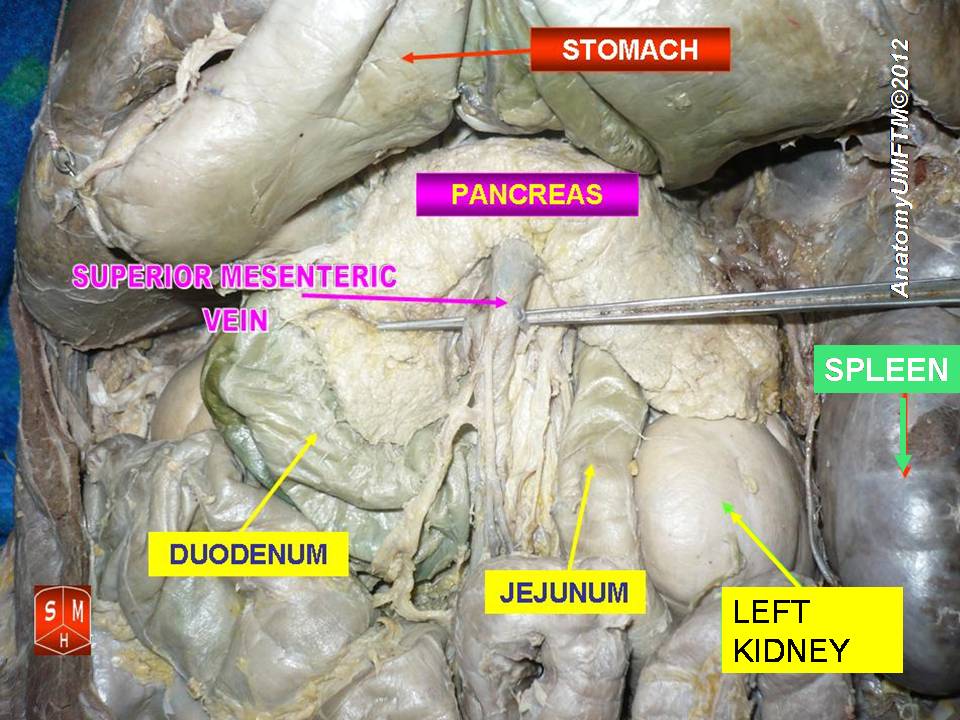


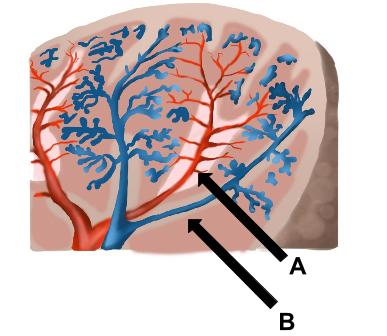

Anatomy
The spleen is typically fist-sized in adults and lies posterior to the stomach on the left. Internally it has two main tissue types: white pulp, rich in lymphocytes, and red pulp, which filters blood and removes old or damaged blood cells. Blood enters the spleen through the splenic artery and leaves via the splenic vein, which connects to the portal circulation.
Functions
- Immune surveillance: lymphocytes and other immune cells in the spleen detect and respond to blood-borne pathogens, helping the body fight infections.
- Blood filtration: the spleen removes aged or abnormal red blood cells and recycles iron.
- Storage: it can hold a reserve of platelets and some blood that can be released in times of need.
- Hematopoiesis in development: during fetal life the spleen contributes to the formation of blood cells.
Clinical significance
The spleen can enlarge (splenomegaly) in a variety of conditions, including infections, liver disease, and blood disorders. It is vulnerable to injury in blunt abdominal trauma, and a ruptured spleen can cause dangerous internal bleeding. Surgical removal of the spleen (splenectomy) is sometimes necessary; people without a spleen have an increased risk of severe bacterial infections, particularly from encapsulated organisms, and are often advised to receive specific vaccinations and preventive antibiotics in certain situations.
Additional notes
Some individuals have accessory (extra) spleens, which are usually small and harmless. Although the spleen performs important functions, it is not absolutely essential for survival; other organs and systems can compensate for many of its roles, especially when appropriate medical measures are taken after splenectomy.
Questions and answers
Q: What is the spleen?
A: The spleen is an organ in vertebrates.
Q: What system is the spleen part of?
A: The spleen is part of the lymphatic system.
Q: Where is the spleen located in people?
A: In people, it is on the left side of the body, under the heart.
Q: What is the spleen's function?
A: The spleen helps fight infections and keeps the blood cells healthy.
Q: Is the spleen a vital organ?
A: No, the spleen is not a vital organ as humans can live without it.
Q: What happens if the spleen is removed?
A: If the spleen is removed, the liver and bone marrow will take over its functions.
Q: Can the spleen enlarge and cause health problems?
A: Yes, an enlarged spleen can cause health problems such as pain in the upper left abdomen, digestion issues, and anemia.
Related articles
Author
AlegsaOnline.com Human spleen: anatomy, immune functions, and clinical significance Leandro Alegsa
URL: https://en.alegsaonline.com/art/92743
Sources
- ncbi.nlm.nih.gov : "Identification of splenic reservoir monocytes and their deployment to inflammatory sites"
- doi.org : 10.1126/science.1175202
- pubmed.ncbi.nlm.nih.gov : 19644120
- ncbi.nlm.nih.gov : "Immunology: dispensable but not irrelevant"
- doi.org : 10.1126/science.1178329
- pubmed.ncbi.nlm.nih.gov : 19644100
- nytimes.com : Finally, the spleen gets some respect
- jama.ama-assn.org : "Spleen patient page"
- doi.org : 10.1001/jama.294.20.2660
- pubmed.ncbi.nlm.nih.gov : 16304080