
Spa town (hydrotherapy resorts and mineral springs)
A spa town is a settlement built around natural springs or bathing facilities where people visit for health, relaxation, and therapeutic treatments based on mineral or thermal waters.
A spa town is a community whose economy and identity centre on natural springs, baths and treatments that visitors seek for health or relaxation. Historically people have travelled to "take the waters" at a local spring believed to contain beneficial minerals. Modern spa towns range from small villages built around a single spring to larger resorts offering hotels, promenades and specialized clinics.
Image gallery
10 Images
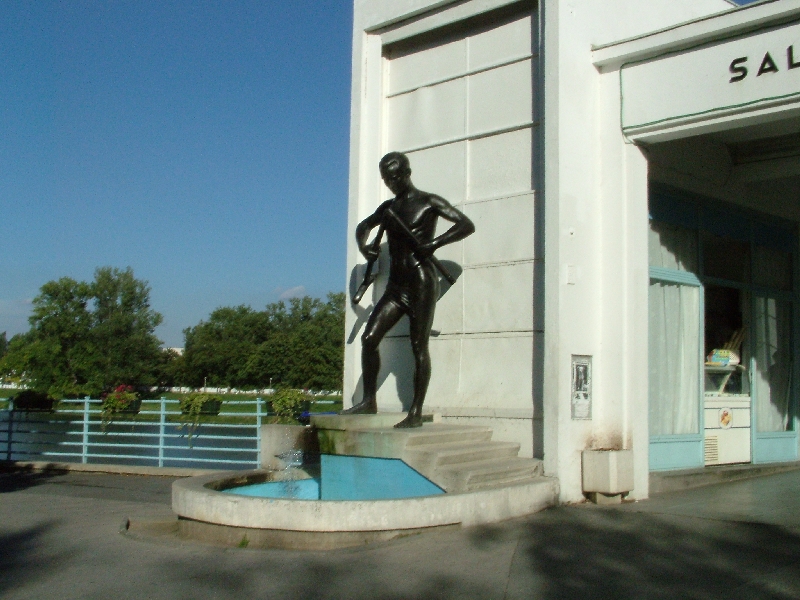


Characteristics and facilities
Spa towns typically feature one or more sources of groundwater with unusual temperature or mineral content, public and private bathing houses, and facilities for drinking cures, inhalation or topical treatments. Common elements include regulated baths, steam rooms, mud applications and rehabilitation services. Many towns combine leisure amenities such as parks, promenades and cultural attractions to support longer stays.
Treatments offered often fall into categories such as balneotherapy (bathing in mineral or thermal water), hydrotherapy (use of water for mechanical or temperature-based therapy), and climatotherapy (taking advantage of local climate). Typical services include thermal baths, contrasting hot-and-cold showers, mineral water drinking cures and supervised physiotherapy programs.
Origins and historical development
The English word "spa" derives from the name of the Belgian town of Spa, itself long known for its healing springs; the town's name is also referenced directly as Spa in many histories. In continental Europe such places were often called ville d'eau (town of water). The practice of visiting natural springs goes back to antiquity and was prominent in Roman times, revived in medieval and early modern periods and expanded during the 18th and 19th centuries with the rise of leisure travel.
Many historic spa towns became fashionable destinations where medical recommendations, social ritual and tourism overlapped. Visitors not only sought relief from specific complaints but also participated in social life, entertainment and cultural programs organized around the bathing season.
Uses, examples and modern importance
Today spa towns continue to attract visitors for both medical and recreational reasons. Some are known for hot spring baths, others for cold mineral springs used in drinking therapies. Examples of well-known spa destinations include coastal and inland resorts across Europe and beyond, where clinics and hotels promote recovery, stress reduction and rehabilitation. Contemporary wellness tourism often blends traditional hydrotherapy with modern spa medicine and cosmetic services.
- Traditional claims: relief for musculoskeletal problems and certain chronic conditions.
- Complementary services: physiotherapy, massage and medical supervision.
- Tourist appeal: historic architecture, parks and promenades support local economies.
Not all places called spas rely solely on water: the term now covers a wide range of wellness resorts, from thermal cities to day spas. In some regions the designation ties to legal or certified therapeutic status; in others it is a marketing term. For further reading about water treatments and examples of spa culture see European spa traditions, clinical reviews at mineral water therapy resources and travel guides at modern spa destinations.
Related articles
Author
AlegsaOnline.com Spa town (hydrotherapy resorts and mineral springs) Leandro Alegsa
URL: https://en.alegsaonline.com/art/92391