
Television program
A television program is a scheduled audio-visual production broadcast or streamed for viewers. This article explains common formats, production and broadcasting, history, and how programs differ from ads or channels.
Overview
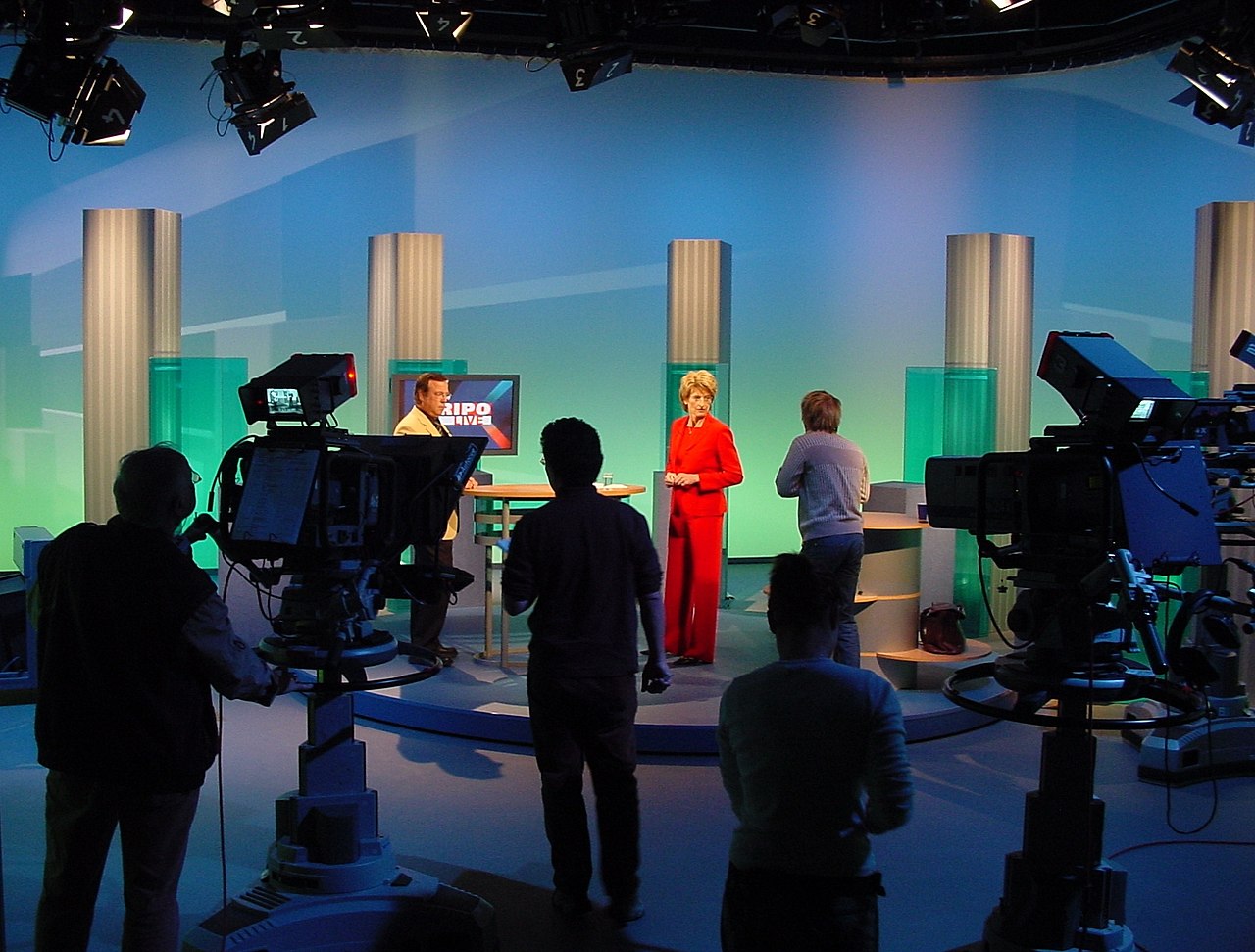
A television program (British spelling: programme) is a single unit of content produced for viewing on television or over video distribution systems such as cable, satellite and internet-based services (television in the broad sense). Programs may be fictional or factual, short or feature-length, live or pre-recorded. They are assembled, scheduled and delivered by broadcasters, streaming platforms and independent producers to reach an intended audience.
Image gallery
4 Images


Common forms and structure
- Serialized fiction: Drama and comedy series with recurring characters and storylines. These fictional shows are often grouped as a series and feature the same characters across episodes.
- Episode: A single installment from a series is known as an episode, and several episodes form a season or run.
- Factual series: Non-fiction programs sharing a title and format, such as documentaries, talk shows or regular regional and national news programs.
- Stand-alone broadcasts: One-off programs like a sporting event, a televised concert, a made-for-TV movie, or a special.
- Miniseries and limited runs: Short, planned series with a fixed number of episodes often described as a miniseries.
The number of episodes per season varies by market and production model. Traditional network seasons tended to be longer, while many modern series produced for specialty channels or streaming services use shorter seasons focused on higher production values.
Production, scheduling and distribution
Producing a television program involves writing, casting, rehearsing, shooting and post-production. Broadcasters and platforms set schedules and decide how programs are grouped on a channel or service. In linear television, programs are presented one after another and may be introduced by announcers or continuity presenters. In many regions and on many platforms, short commercial breaks interrupt programs or appear between them; those advertisements are not part of the program itself.
History and development
From early 20th-century experimental broadcasts to mid-century live network programming, television evolved from live-only formats to recorded and edited productions. The arrival of videotape, film recording and later digital formats changed how programs are produced and rebroadcast. Cable and satellite expanded the number of available channels, and internet streaming transformed distribution, allowing on-demand access that blurs the line between scheduled programs and library content.
Importance, examples and distinctions
Television programs shape public conversation, inform viewers and provide entertainment. Regular news programs inform citizens, sports broadcasts bring large live audiences together, and serialized fiction can influence culture and industry standards. It is useful to distinguish a program (a discrete piece of content) from a channel or network (the distributor) and from advertising (paid spots that interrupt or surround programming). Viewer habits and regulatory frameworks vary between countries, which affects scheduling, content standards and how programs reach audiences.
For further general information see related resources on broadcasting, series production and program classification via official guides and industry overviews (characters and casting, spelling and terminology).
Related articles
Author
AlegsaOnline.com Television program Leandro Alegsa
URL: https://en.alegsaonline.com/art/96849